


 South Korea, US Discuss Warship Building Cooperation
  North Korea Rejects Nuclear Test Warning, Calls Nuclear Status Irreversible
  US Backs Musk in Fight Against EU’s €120 Million X Fine
  Kremlin Says No Decision Yet on Putin-Trump December Summit
  EU Defence Build-Up Too Slow for 2030 Russia Readiness Goal
  What ‘Taiwan Independence’ Means as Xi Presses Trump on US Policy
  Russian Missile and Drone Attack on Kyiv Kills Two, Damages Maternity Hospital
  Saudi Arabia, Turkey and Pakistan Plan Urgent Defence Talks Over Houthi Attacks
  US Senate Rejects Iran War Powers Resolution in 50-49 Vote
  Xi Calls for Deeper U.S.-China AI Cooperation in Trump Talks
  Judge Orders Trump to Restore White House Access for CNN, MS NOW and Politico
  Ghana Says Western Support Growing for Slave Trade Reparations
  Trump, Xi Visit US National Archives After White House Summit
  NATO Boosts Intelligence Sharing Amid Russia Hybrid Threats
  Netanyahu Takes Aim at Mamdani as Israel Election Nears
  Netanyahu Defends Israel at UN as Delegates Stage Walkout
  North Korea Warns South Korea Over US-Led Defense Role


 Add as a preferred source on Google
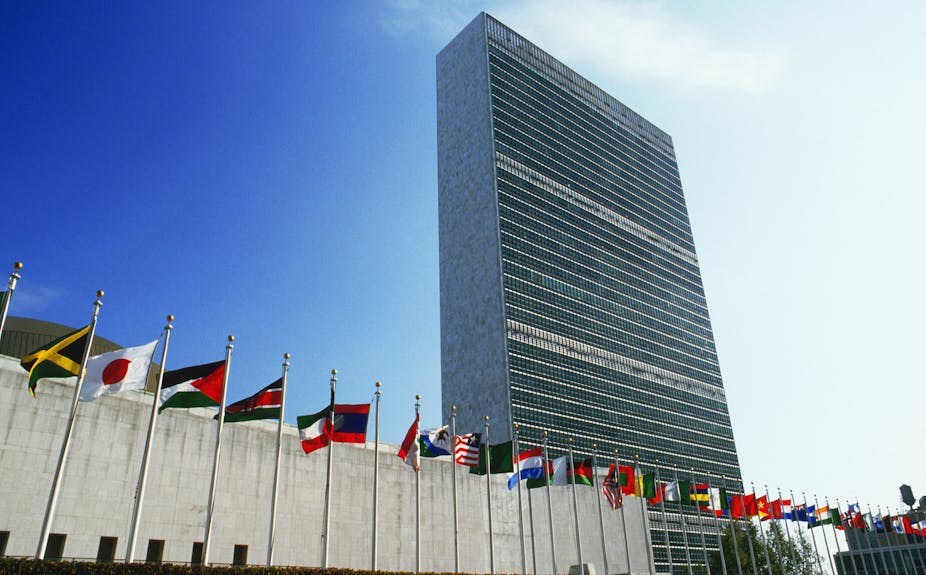
The UN Security Council convened urgently on Sunday after the U.S., joined by Israel, launched a large-scale military strike on Iran’s nuclear facilities, escalating tensions in the Middle East. President Donald Trump declared the strikes had “obliterated” Iran’s nuclear infrastructure, in what has become the West’s most significant military action against Tehran since 1979.
UN Secretary-General António Guterres warned the situation risks spiraling out of control, calling for immediate ceasefire and a return to negotiations. Russia, China, and Pakistan proposed a resolution demanding an unconditional halt to hostilities. However, the U.S. is expected to oppose it, especially since the draft resolution criticizes attacks on Iran’s nuclear facilities, albeit without naming any country.
China’s envoy urged diplomacy over force, while Russia’s ambassador compared the current claims to the 2003 Iraq WMD narrative, criticizing the U.S. for repeating history. U.S. Ambassador Dorothy Shea defended the strike, accusing Iran of deceiving negotiators and accelerating its nuclear weapons ambitions.
Iran’s UN representative condemned the attacks as unlawful, claiming the Non-Proliferation Treaty was being misused as political leverage. Meanwhile, Israel’s envoy praised U.S. action, arguing Iran had used diplomacy as a cover to develop nuclear weapons.
The UK urged restraint, stating military action cannot resolve nuclear concerns. IAEA Chief Rafael Grossi confirmed damage at Iran’s Fordow, Isfahan, and Natanz sites but reported no radiation leaks.
With Iran’s response still pending and diplomatic rifts deepening, the crisis marks a dangerous turning point in Middle East geopolitics. The Security Council has yet to set a vote on the ceasefire resolution, as member states review the proposal amid growing global anxiety over a broader regional conflict.







