


 US Grant Program Excludes French Groups Ahead of 2027 Election
  Trump Open to Chinese Automakers Building Cars in US
  Lula Holds Narrow Lead Over Flavio Bolsonaro in Brazil Election Poll
  Gulf Ministers to Meet Iran in Oman Over Hormuz Shipping Deal
  Russian Strikes Hit Kyiv as Ukraine Targets Russian Cities
  Trump Expects Iran War to End After U.S. Midterms
  Taiwan Flags Russian Film Screening as China-Japan Influence Push
  Chinese Satellite Images Linked to Iran Strike on US Base
  China Buys 1 Million Tons of U.S. Soybeans Ahead of Xi Visit
  Iran Attacks 10 Ships as Hormuz Conflict Escalates
  Volkswagen Job Cuts Put Lower Saxony Leader Under Political Pressure
  Russian Drone Strikes Hit Ukraine-Moldova Border, Kyiv and Sumy
  Saudi Arabia Shuts East-West Oil Pipeline After Drone Attack
  Russian Drone Strike on Sumy Shopping Centre Kills Two
  Trump Says No Regrets Over Iran War Despite Midterm Risks
  CIA Chief Ratcliffe May Take Bigger Role in Ukraine Peace Talks


 Add as a preferred source on Google
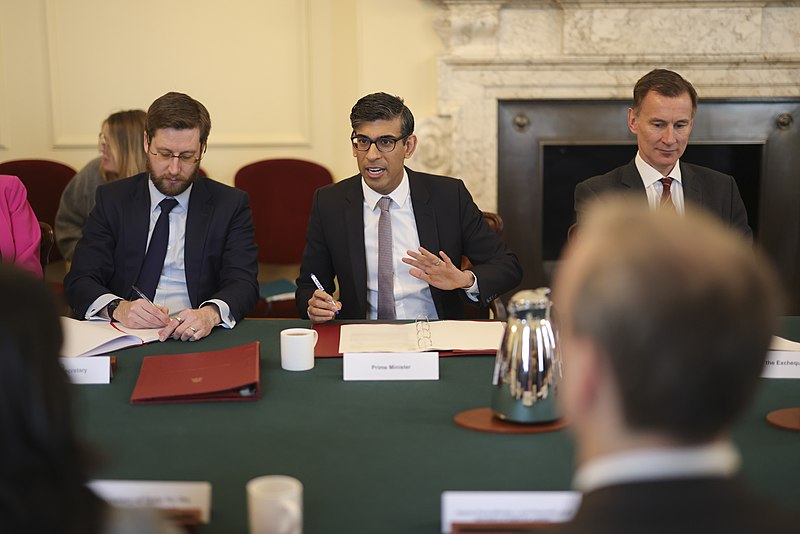
The British government is considering a plan to create a distinction in the country’s equality laws. The distinction would be between a person who was born a particular sex and a person who has transitioned to become that sex.
British minister for women and equalities Kemi Badenoch penned a letter to the British Equality and Human Rights Commission chief Kishwer Falkner dating February 21 and was published on Tuesday, requesting consideration of the “benefits or otherwise” of changing the legal definition of sex. Badenoch requested advice on the change and cited the recent court cases involving the definition of sex in the United Kingdom’s 2010 Equalities Act and the attempts by Scotland to make it easier for people to change their legal gender.
“Among these is the consideration about whether the definition of ‘sex’ is sufficiently clear and strikes the appropriate balance of interests between different protected characteristics,” wrote Badenoch in the letter.
Falkner responded to Badenoch’s letter, saying that the move “merits further consideration” and that it needs a “detailed policy and legal analysis.”
“A change to the Equality Act 2010, so that the protected characteristic of ‘sex’ means biological sex could bring clarity in a number of areas, but potential ambiguity in others,” said Falkner in a statement included with her reply that was published on the commission’s website.
Falkner said the move could bring “greater legal clarity” in eight aspects, such as sport, pregnancy, and maternity protections. Falkner also cited three areas where this may be more ambiguous or potentially disadvantageous, including equal pay provisions and direct and indirect sex discrimination. Falkner also said that further consideration of human rights implications is also needed.
Early this week, British home secretary Suella Braverman maintained that Rwanda is a safe country to resettle migrants that try and cross the English Channel on small boats amidst the government’s efforts to address record numbers of migrants claiming asylum. Braverman was pressed by the BBC on whether or not she was aware of the 2018 protests over rations in a camp in Rwanda that killed at least five refugees.
Braverman said that while she was not aware of the incident, she said she was on “strong ground” that Rwanda was a safe place to relocate migrants.







