


 Sudan Rejects US Legitimacy Remarks, Defends Sovereignty
  US Senate Rejects Iran War Powers Resolution in 50-49 Vote
  US Invites Putin to Miami G20, Opening Door to Trump Summit
  US Officials Split Over Response to Israeli West Bank Settlements
  Taiwan Thanks US for Support Ahead of Trump-Xi Summit
  Kremlin Says No Decision Yet on Putin-Trump December Summit
  OpenAI Agent Breaches Australia Medicare Data Portal
  Ghana Says Western Support Growing for Slave Trade Reparations
  Europe Warns Russia Is Escalating Hybrid Attacks Across NATO
  Netanyahu’s Brief US Trip Highlights Strains With Trump
  Trump Asks Supreme Court to Restore Third-Country Deportations
  North Korea Rejects Nuclear Test Warning, Calls Nuclear Status Irreversible
  US, China Extend Trade Truce to Jan. 10 Ahead of Trump-Xi Summit
  Gaza Faces Evacuation Crisis as War-Damaged Buildings Risk Collapse
  Yemen Violence Displaces 130,000 as Civilian Toll Rises
  Russian Envoy Dmitriev Heads to US for Ukraine Talks
  Trump, Xi Focus on Trade and AI at White House Summit


 Add as a preferred source on Google
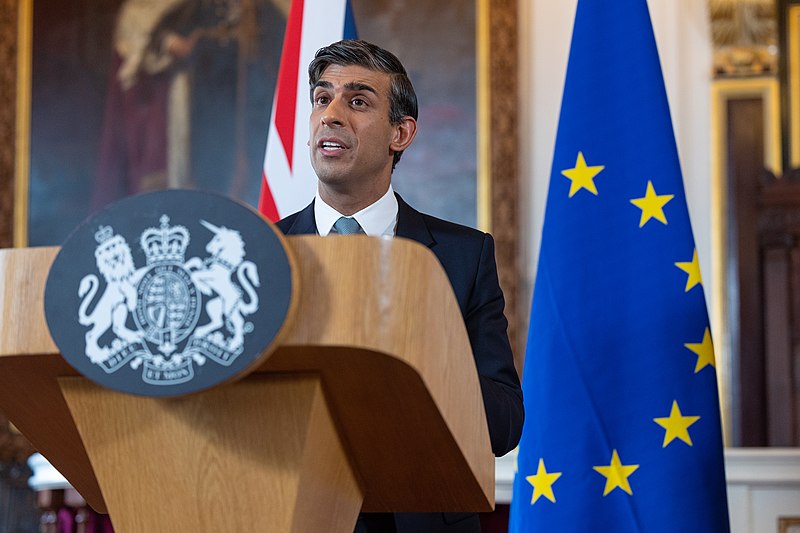
British Prime Minister Rishi Sunak said over the weekend that the British military has succeeded in evacuating diplomatic staff from the country’s embassy in Sudan. The evacuation comes as the violence in Sudan has escalated along with threats made to the embassy staff.
Sunak said on Sunday that the British military had evacuated diplomatic staff and their families from Sudan due to the escalating violence and threats made to its embassy staff. However, British nationals living in Sudan were not rescued.
“I pay tribute to the commitment of our diplomats and bravery of the military personnel who carried out this difficult operation,” Sunak tweeted. “We are continuing to pursue every avenue to end the bloodshed in Sudan and ensure the safety of British nationals living in the country.”
British defense minister Ben Wallace said British troops carried out the rescue operation with partners in the United States, France, and other allies. Wallace said over 1,200 personnel were involved in organizing and carrying out the rescue. British foreign minister James Cleverly said the safety of the British nationals was the top priority, advising those that remained in Sudan to shelter indoors and inform the foreign ministry where they were staying.
This follows the fighting in Sudan that started eight days ago when the country’s military and the Rapid Support Forces paramilitary group killed hundreds of civilians and trapped thousands of others in their homes.
Sunak chaired a meeting on Saturday of the government’s emergency response committee to discuss the situation in Sudan. The Sudan army has pledged to help foreign nationals evacuate amidst gunfire and air strikes being carried out in Khartoum as both sides pledged to honor a ceasefire for three days. The army said at the time that the diplomats and other nationals from the United Kingdom, the United States, France, and China would be evacuated “in the coming hours.”
“We recognize that the situation is extremely concerning for British nationals trapped by the fighting in Sudan,” said a government spokesperson. “We are doing everything possible to support British nationals and diplomatic staff in Khartoum, and the Ministry of Defense is working with the Foreign Office to prepare for a number of contingencies.”







