


 Gulf Ministers to Meet Iran in Oman Over Hormuz Shipping Deal
  Russian Drone Strikes Hit Ukraine-Moldova Border, Kyiv and Sumy
  Trump Says He Has No Regrets Over Iran War
  Russian Drone Strike on Sumy Shopping Centre Kills Two
  Trump Promises $5,000 Dividend if Republicans Win Midterms
  Kim Jong Un Praises North Korean Troops Fighting Overseas
  Trump Open to Chinese Automakers Building Cars in US
  US Grant Program Excludes French Groups Ahead of 2027 Election
  Russian Strikes Hit Kyiv as Ukraine Targets Russian Cities
  Taiwan Flags Russian Film Screening as China-Japan Influence Push
  CIA Chief Ratcliffe May Take Bigger Role in Ukraine Peace Talks
  Lula Holds Narrow Lead Over Flavio Bolsonaro in Brazil Election Poll
  South Korea Says $350 Billion US Investment Talks Progressing
  Israel Orders UK East Jerusalem Consulate Closure
  Trump Says No Regrets Over Iran War Despite Midterm Risks
  White House Weighs Refined Copper Tariffs as Cost Concerns Grow
  Volkswagen Job Cuts Put Lower Saxony Leader Under Political Pressure


 Add as a preferred source on Google
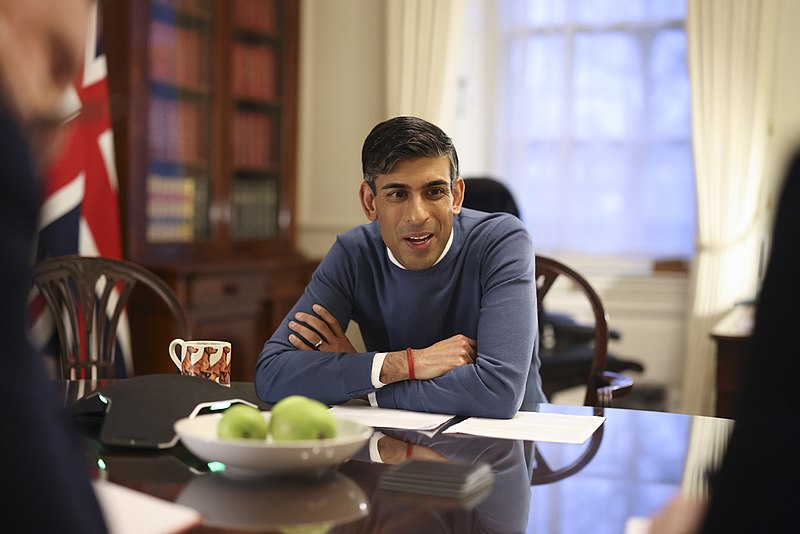
British Prime Minister Rishi Sunak will be boosting the country’s defense spending to replenish the UK’s ammunition stocks as well as funding for the nuclear submarine agreement with the United States and Australia. The increased spending comes amidst the government’s update to its foreign and national security policies.
Sunak is expected to announce the increase in the UK’s defense spending by an additional $6 billion during his visit to the US. The defense spending would be increased by 2.35 percent of the UK’s GDP in the long-term, to replenish ammunition stocks and fund the next step of the AUKUS submarine agreement with the US and Australia. Sunak said the move was a way “to ensure we are never again vulnerable to the actions of a hostile power.”
However, some lawmakers in Sunak’s governing Conservative Party say the increase is less than half of what is needed to be able to continue supporting Ukraine in the war while not leaving the UK vulnerable. Sunak said the previous increases in defense spending showed that he delivers on his promises, describing the new commitments as a “strong and positive statement.”
“As the world becomes more volatile and competition between the states becomes more intense, the UK must be ready to stand our ground,” said Sunak in a statement. “We will fortify our national defenses, from economic security to technology supply chains and intelligence expertise to ensure we are never again vulnerable to the actions of a hostile power.”
British defense minister Ben Wallace welcomed the increase, according to the ministry. The ministry said that the increased spending, especially at a time of economic struggle, would maintain the trajectory after the government increased defense spending in recent years.
Friday last week, Sunak said the government would prioritize reducing the UK’s debt over cutting taxes in the upcoming budget, which would also focus on other aspects, including inflation. Sunak has sought to restore the UK’s fiscal credibility following the backlash on his predecessor Liz Truss’s tax cuts that forced her resignation after more than a month in office.
However, some Conservative lawmakers appear to be more interested in tax cuts as it would take effect in time for the upcoming elections in 2024.







