


 Trump Says No Regrets Over Iran War Despite Midterm Risks
  Trump Says He Has No Regrets Over Iran War
  Trump Calls for Five-Year George Washington Smithsonian Exhibit
  Israel Orders UK East Jerusalem Consulate Closure
  Trump Open to Chinese Automakers Building Cars in US
  Lula Holds Narrow Lead Over Flavio Bolsonaro in Brazil Election Poll
  Volkswagen Job Cuts Put Lower Saxony Leader Under Political Pressure
  Trump Promises $5,000 Dividend if Republicans Win Midterms
  Trump Rejects Saudi Request for Houthi Strikes
  Trump Rejects Saudi Request for U.S. Strikes on Houthis
  Trump Expects Iran War to End After U.S. Midterms
  Taiwan Flags Russian Film Screening as China-Japan Influence Push
  US Caribbean Vessel Strike Kills Three
  Russian Drone Strike on Sumy Shopping Centre Kills Two
  US Grant Program Excludes French Groups Ahead of 2027 Election
  Trump’s Iran War Draws ‘Forever War’ Comparisons
  CIA Chief Ratcliffe May Take Bigger Role in Ukraine Peace Talks


 Add as a preferred source on Google
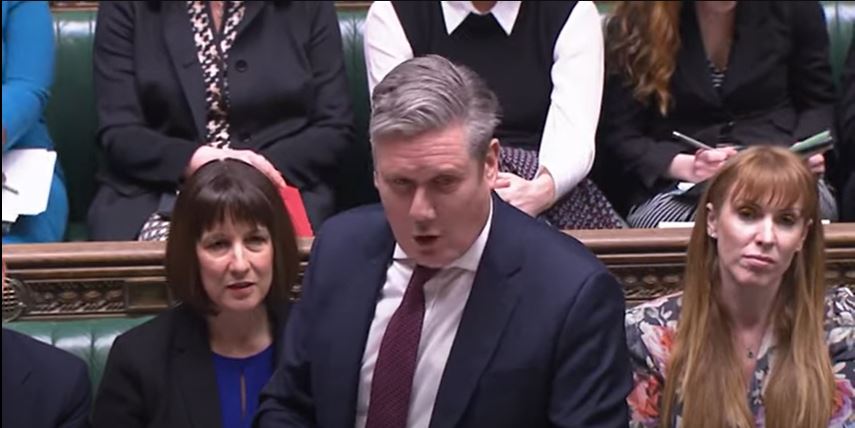
The British opposition Labour Party criticized the planned reforms of the Conservative government toward pensions. The opposition said such reforms to pensions would only benefit the country’s wealthiest.
The Labour Party said on Thursday that the planned pension reforms would only benefit the wealthiest in the country. The opposition said the reforms were “the wrong priority, at the wrong time, for the wrong people.” This follows finance minister Jeremy Hunt’s budget statement, where Hunt announced that there would not be any tax penalties on lifetime pension savings that are more than $1.2 million.
Labour said the policy meant that those with over £1.4 million in their pension would end up paying around £150,000 less in taxes, especially at a time when taxpayers who pay the basic rate are struggling with higher tax bills.
“The budget was a chance for the government to unlock Britain’s promise and potential,” said Labour’s finance minister Rachel Reeves. “But the only surprise was a £1 billion pensions bung for the one percent, a move that will widen the cost-of-living chasm.”
Hunt defended the planned changes, citing that the cost was dwarfed by £94 billion of government support for households struggling with the rising cost of living. Hunt said that the pension changes were necessary to address the shortage of doctors as some long-time senior doctors have decided to cut down their working hours or have retired early upon approaching the pension limit, adding to the strains experienced by the National Health Service.
“I don’t think it is the wrong values to support our NHS,” Hunt told BBC radio. “If you’re asking what will have an impact on ordinary families up and down the country, it is getting their NHS operation done more quickly and this is the simplest and quickest way to resolve that issue.”
Labour said it intends to provide a more targeted plan for doctors.
On the same day, the British Office for Budget Responsibility said Hunt’s new budget plans would leave him with a buffer period of only £6.5 billion for hitting the target of getting debt as a share of economic output falling in a span of five years. OBR chair Richard Hughes said Hunt gave himself more leeway in November by extending the target horizon to an additional two years.







