


 Asian Stocks Fall as Bond Yields Surge Ahead of Trump-Xi Summit
  US Stock Futures Fall as Treasury Yields Surge Ahead of Trump-Xi Summit
  Trump, Xi Focus on Trade and AI at White House Summit
  Oil Prices Ease as Iran Tensions Clash With Diplomacy Hopes
  Gold Drops Over 1% as Dollar, Treasury Yields Surge on Fed Rate Hike Bets
  South Korea, US Discuss Warship Building Cooperation
  China’s ‘Lipstick King’ Says AI Won’t Replace Livestream Hosts
  US Dollar Hits Two-Month High as Fed Rate Hike Bets Rise
  Mexico-US Trade Talks Delayed to October as Tariff Negotiations Continue
  U.S. Treasury Yields Surge as 30-Year Hits 22-Year High
  Dollar Hits Two-Month High as Fed Rate Hike Bets Rise
  Fed Unveils Stablecoin Rules Under GENIUS Act
  Gold Prices Fall as Treasury Yields Rise on Fed Rate Hike Bets
  Oil Prices Jump 3% as Houthi Attack Revives Supply Fears
  Japan Private-Sector Growth Slows as Domestic Demand Weakens
  Wall Street Falls as Treasury Yields Surge, Oil Rebounds on Iran Tensions
  RBI Uses $10 Billion Currency Swaps to Drain Excess Rupee Liquidity


 Add as a preferred source on Google
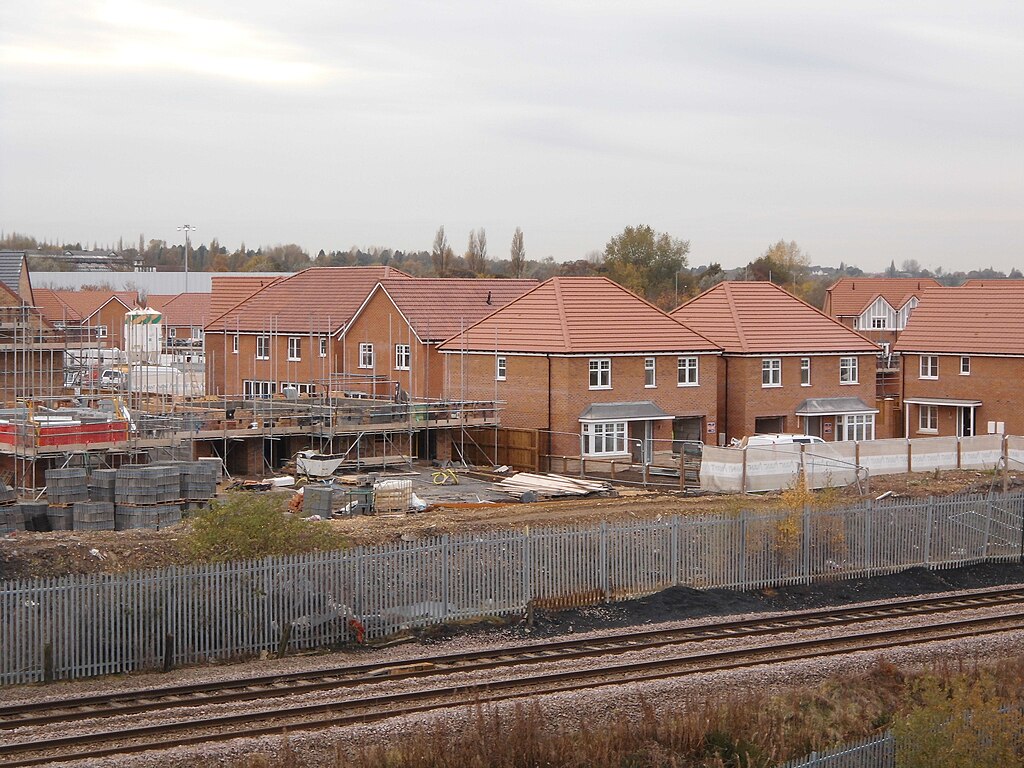
Britain’s housing market experienced its first monthly decline in house prices since December, with values falling by 0.6% in May 2026 as economic uncertainty linked to the Iran conflict weakened buyer demand, according to new data from mortgage lender Nationwide.
The monthly decrease was the sharpest drop recorded since June 2025 and exceeded economists’ expectations. A Reuters poll had forecast a more modest decline of 0.2%, highlighting the growing pressure facing the UK property market.
On an annual basis, UK house price growth also lost momentum. Nationwide reported that average house prices increased by 1.7% year-over-year in May, significantly lower than April’s 3% annual growth rate and below analysts’ forecast of 2.2%.
Robert Gardner, Nationwide’s Chief Economist, said the slowdown was largely driven by uncertainty surrounding developments in the Middle East. Rising energy costs and higher market interest rates have negatively affected consumer confidence and reduced activity among prospective homebuyers.
The ongoing Iran conflict has contributed to expectations that the Bank of England may raise interest rates later in 2026 rather than implement rate cuts. As a result, borrowing costs have increased across the mortgage market, making home purchases more expensive for many households.
Recent figures from property website Rightmove showed that the average two-year fixed mortgage rate reached 5.13%, while the average five-year fixed rate stood at 5.15%. Both rates are approximately half a percentage point higher than they were a year ago.
Additional evidence points to a cooling housing market. The Royal Institution of Chartered Surveyors (RICS) reported that surveyors observed the most widespread decline in property prices since November 2023 during April. Market sentiment and sales activity remained subdued, particularly in London and southern England, where affordability challenges continue to weigh on demand.
Meanwhile, Halifax, another major UK mortgage lender, reported a 0.1% monthly decline in house prices in April. The lender also noted that property values were only 0.4% higher than a year earlier, reinforcing signs that the UK housing market is losing momentum amid rising borrowing costs and economic uncertainty.







