


 Abbas Reaffirms November 28 Palestinian Elections
  US, China Extend Trade Truce to Jan. 10 Ahead of Trump-Xi Summit
  Wall Street Falls as Treasury Yields Surge, Oil Rebounds on Iran Tensions
  Taiwan Thanks US for Support Ahead of Trump-Xi Summit
  Mexico-US Trade Talks Delayed to October as Tariff Negotiations Continue
  Trump Asks Supreme Court to Restore Third-Country Deportations
  US Backs Musk in Fight Against EU’s €120 Million X Fine
  Asian Stocks Mixed Ahead of Trump-Xi Meeting
  US 10-Year Treasury Yield at 6% Emerges as New Market Risk Threshold
  Russian Missile and Drone Attack on Kyiv Kills Two, Damages Maternity Hospital
  European Stocks Fall as Bond Yields and Geopolitical Risks Weigh
  Oil Prices Jump 3% as Houthi Attack Revives Supply Fears
  Gold Drops Over 1% as Dollar, Treasury Yields Surge on Fed Rate Hike Bets
  Trump Administration Plans Faster FDA Reviews for Smoke-Free Nicotine Products
  US Senate Rejects Iran War Powers Resolution in 50-49 Vote
  European Stocks Slip as Iran Tensions Offset Strong Eurozone Data
  Judge Orders Trump to Restore White House Access for CNN, MS NOW and Politico


 Add as a preferred source on Google
Iran has rejected suggestions that a final agreement has been reached with the United States, emphasizing that negotiations surrounding its nuclear program remain ongoing. The statement came after comments from U.S. President Donald Trump indicated that a deal could be close, creating renewed attention around Iran-U.S. relations and global energy markets.
Iranian Foreign Ministry spokesperson Esmaeil Baghaei stated that Tehran is still focused on ending tensions and that no finalized agreement has been concluded. His remarks followed Trump’s discussion of potential conditions for a future deal, including limitations on Iran’s nuclear activities and measures involving the strategic Strait of Hormuz.
Despite reports of progress, uncertainty continues to surround the negotiations. Both countries have indicated positive movement toward extending a ceasefire that has largely remained in place since April, but major issues remain unresolved.
The Strait of Hormuz remains a critical concern for investors and policymakers. The vital shipping route carries approximately 20% of the world’s oil supply and serves as a major channel for crude exports from the Middle East. Any disruption in the region could significantly impact global oil prices, energy security, and commodity markets.
Adding to concerns, the UK Maritime Trade Operations agency reported that the U.S. military blockade of Iranian ports remains active, limiting maritime traffic. Commercial vessels operating in the area have been advised to remain alert to ongoing military activity and communications.
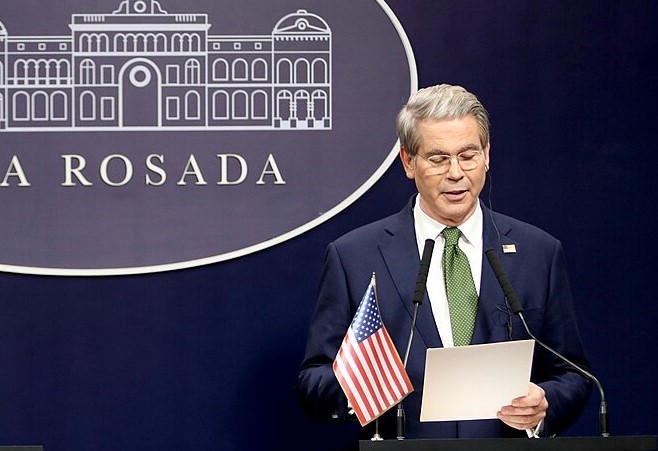
U.S. Treasury Secretary Scott Bessent also indicated that any reduction in restrictions on Iran would be implemented gradually. He further revealed that U.S. authorities had seized approximately $1 billion in Iranian cryptocurrency assets as part of Washington’s broader economic pressure campaign.
Meanwhile, U.S. Vice President JD Vance said substantial progress had been made toward extending the ceasefire, although disagreements persist regarding Iran’s enriched uranium stockpile. A senior Iranian source cited by Reuters described the current status as a “political understanding” rather than a finalized agreement.
International organizations, including the International Energy Agency, International Monetary Fund, World Bank, and World Trade Organization, have warned that prolonged disruptions in the Strait of Hormuz could threaten fuel supplies, increase market volatility, and weaken global economic stability.
Investors and global markets are now awaiting an official announcement from the White House following President Trump’s meeting with senior national security officials to discuss the future of the negotiations and regional security developments.







