


 US Quantum Stocks Surge After $2 Billion Government Investment
  Autodesk Beats Q1 Estimates, Acquires MaintainX for $3.6 Billion
  Brazil Extends Fuel Subsidies and Tax Relief Measures Through July 2026 Amid Global Oil Market Volatility
  US Launches New Trade Investigation Into Vietnam Over Intellectual Property Concerns
  Trump to Launch America 250 Celebration on National Mall as Performers Exit Event
  Trump Signs Executive Order to Expand Access to Federal Lands in the U.S.
  MongoDB Q1 FY2027 Earnings Beat Expectations, Raises Full-Year Outlook
  Tesla Keeps Graphite Supply Deal with Syrah Resources After Progress on Quality Issues
  Snowflake Stock Soars 30% After Q1 Earnings Beat and Major AWS AI Partnership
  DBS Expands Wealth Centre Network Across Asia in Largest Physical Growth Push Yet
  EU Antitrust Probe Could Lead to Massive Google Fine Under DMA Rules
  Israeli Airstrike Hits Gaza Seafront Cafe, Killing Two and Injuring 12 Amid Fragile Ceasefire
  Salesforce Q1 FY2027 Earnings Beat Expectations Despite Soft Q2 Revenue Outlook
  FIFA Faces Investigation Over 2026 World Cup Ticket Pricing and Seat Allocation Issues
  Samsung to Invest $1.5 Billion in Vietnam Semiconductor Testing Plant by 2027
  CDC Expands Ebola Screening Efforts at U.S. Entry Points Amid Congo and Uganda Outbreak
  SK Hynix Joins $1 Trillion Club as AI Chip Demand Fuels Stock Surge


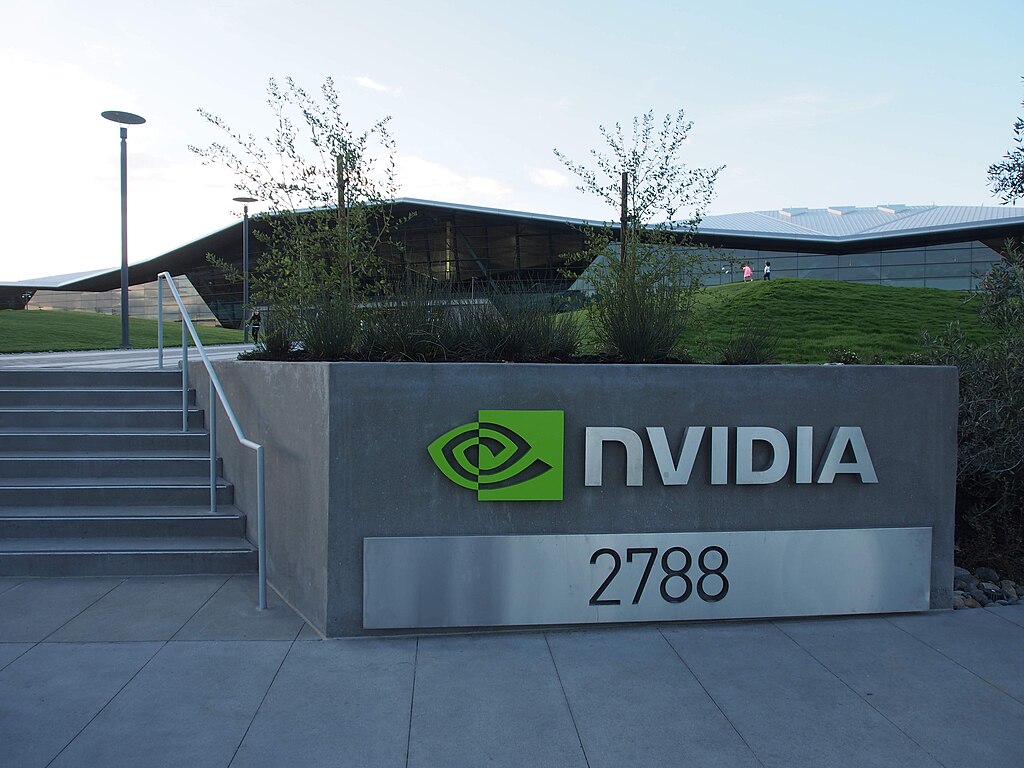
The U.S. Department of Commerce has introduced new restrictions aimed at closing a potential loophole in the export of advanced artificial intelligence chips to Chinese companies. The move is expected to affect major semiconductor firms including Nvidia (NASDAQ: NVDA) and AMD (NASDAQ: AMD), while further intensifying the ongoing technology competition between the United States and China.
According to a notice issued by the Commerce Department’s Bureau of Industry and Security (BIS), companies seeking to export advanced AI processors to organizations ultimately headquartered in China must now obtain a special license. The policy is designed to prevent Chinese firms from accessing cutting-edge AI chips through overseas subsidiaries, a route that may have allowed them to bypass existing U.S. export controls.
The latest action follows concerns that advanced AI hardware from Nvidia and AMD could have reached Chinese-linked entities operating outside mainland China. Analysts suggest that this gap in enforcement may have existed for several months, despite broader restrictions already targeting direct chip sales to China.
The United States has steadily expanded controls on advanced semiconductor exports as part of efforts to limit China’s access to technologies that could strengthen its artificial intelligence and high-performance computing capabilities. Restrictions originally introduced under the Biden administration were later tightened, while some policies were adjusted under the Trump administration.
More recently, Nvidia received approval to sell certain AI chips to a limited number of authorized customers. However, reports indicate that only a small volume of transactions has taken place under those approvals. The new licensing requirements are expected to further limit opportunities for Chinese companies to acquire advanced AI processors through indirect channels.
Meanwhile, China continues to accelerate efforts to build a self-sufficient AI ecosystem. Domestic technology companies, including Huawei, have increased investments in AI chip development and alternative computing infrastructure. Chinese AI startup DeepSeek recently claimed that its newest artificial intelligence models were designed to operate efficiently on Huawei-powered hardware, highlighting the country’s growing focus on reducing dependence on foreign semiconductor technology.
The updated U.S. policy underscores Washington’s commitment to maintaining tighter control over advanced AI chip exports while increasing pressure on Chinese firms seeking access to leading-edge semiconductor technology.







