


 Trump Adviser’s Investment in Thrive Capital Draws Scrutiny Over Federal Contracts
  S&P 500, Nasdaq Hit Record Highs as Iran Ceasefire Talks and AI Rally Boost Markets
  DOJ Investigates Group Linked to Reid Hoffman Over E. Jean Carroll Lawsuit Funding
  ECB’s Philip Lane Warns Middle East Conflict Could Keep Inflation Elevated
  Asian Currencies Steady as U.S.-Iran Ceasefire Extension Hopes Weigh on Dollar
  One Nation Surges Ahead of Labor in Australian Poll Amid Backlash Over Property Tax Reforms
  US Plans Faster Military Drawdown in Europe, NATO Allies Face Greater Defense Role
  US Launches New Trade Investigation Into Vietnam Over Intellectual Property Concerns
  Indo-Pacific Nations Boost Defense Cooperation as China’s Military Rise Reshapes Regional Security
  US Imposes Fresh Iran Oil Sanctions Despite Progress on Ceasefire Talks
  Wall Street Hits New Highs as U.S.-Iran Ceasefire Talks Boost Market Sentiment
  U.S. Launches Strikes on Iranian Drone and Radar Facilities Following MQ-1 Drone Incident
  US to Accelerate Troop Withdrawal from Europe, NATO Allies to Review Plans Next Month
  South Korea Central Bank Holds Interest Rates Steady Amid Inflation Concerns
  US Pushes Israel-Lebanon De-Escalation Plan as Hezbollah Tensions Escalate in Southern Lebanon
  Russia Prepares New Large-Scale Attack on Ukraine, Zelenskiy Warns
  US Dollar Slips as Markets Weigh Potential US-Iran Peace Deal and Oil Price Outlook


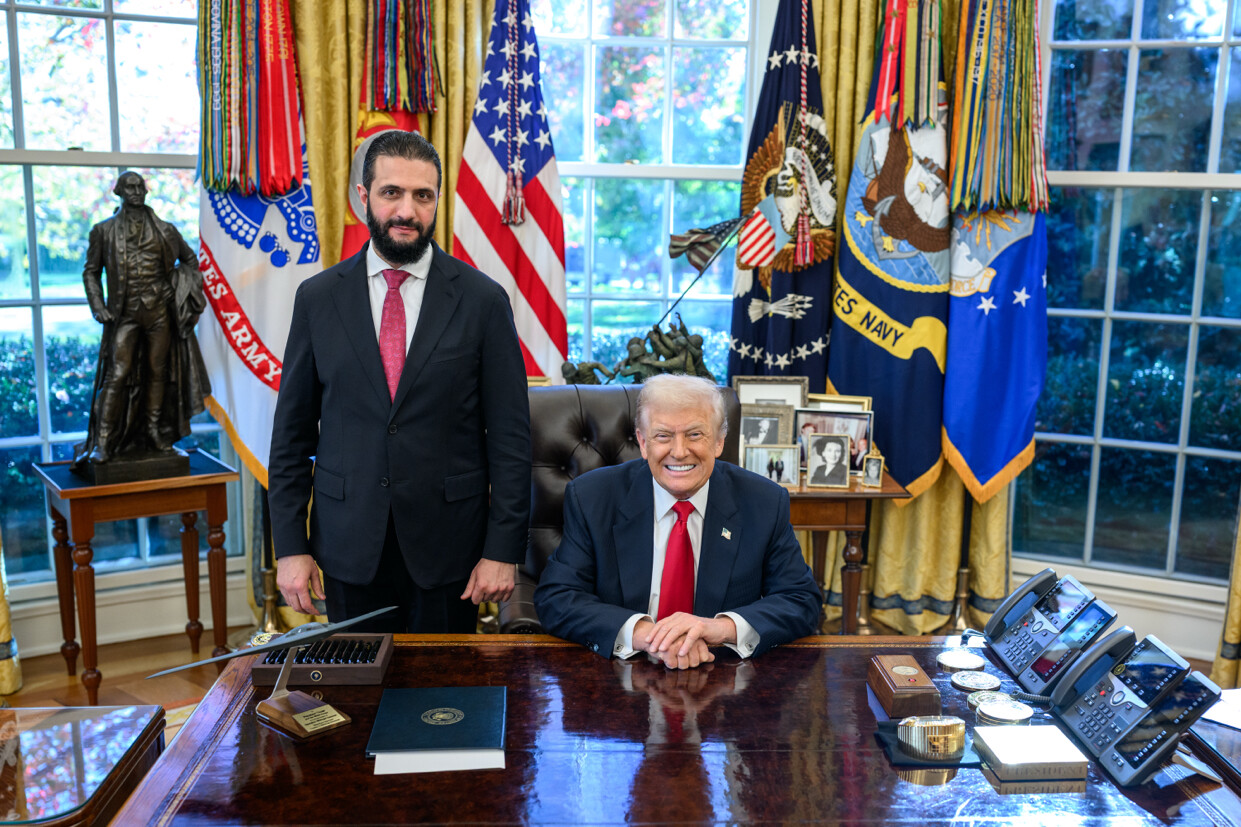
Syrian President Ahmed al-Sharaa and U.S. President Donald Trump held a phone conversation focused on Syria’s economic recovery, the future of U.S. sanctions, and the latest developments in the Middle East, according to a statement released by the Syrian presidency on Sunday.
During the call, Sharaa emphasized that removing the remaining U.S. sanctions on Syria is critical for rebuilding the country’s economy and attracting foreign investment. He stressed that sanctions relief would help accelerate reconstruction efforts and create new opportunities for economic growth after years of conflict.
Although Washington has recently dismantled much of its Syria sanctions framework and repealed the Caesar Act, several restrictions remain in place. The Caesar Act previously imposed broad sanctions on individuals, companies, and institutions connected to former Syrian President Bashar al-Assad.
The United States has stated that current sanctions will continue targeting Assad, members of his network, alleged human rights violators, captagon traffickers, and other groups or individuals considered responsible for regional instability. U.S. officials maintain that these measures are designed to prevent illicit activities while supporting Syria’s transition toward stability.
Washington is also reviewing Syria’s designation as a state sponsor of terrorism, a status that imposes limitations on U.S. foreign assistance, defense-related exports, and certain financial transactions. Any decision to remove Syria from the list could significantly improve the country’s access to international markets and financial systems.
The issue of sanctions relief remains a key priority for Syria’s new government. Analysts widely view the removal of remaining restrictions as essential for attracting foreign capital and supporting long-term economic recovery. Several Saudi Arabian companies are reportedly preparing billion-dollar investment projects in Syria, reflecting Riyadh’s commitment to supporting reconstruction efforts. Other Gulf nations have also pledged financial assistance and investment initiatives aimed at helping revive the Syrian economy.
The discussion between Trump and Sharaa highlights growing international attention on Syria’s economic future and the role sanctions policy could play in shaping the country’s recovery prospects.







