


 Oil Prices Jump 3% as Houthi Attack Revives Supply Fears
  European Stocks Fall as Bond Yields and Geopolitical Risks Weigh
  U.S. Dollar Hits Two-Month High as Oil, Treasury Yields Surge
  Soybean Futures Slip as Traders Await Trump-Xi Trade Signals
  Oil Prices Ease as Iran Tensions Clash With Diplomacy Hopes
  Wall Street Falls as Treasury Yields Surge, Oil Rebounds on Iran Tensions
  China’s ‘Lipstick King’ Says AI Won’t Replace Livestream Hosts
  US, China Extend Trade Truce to Jan. 10 Ahead of Trump-Xi Summit
  Australia Unemployment Hits Five-Year High Despite Strong Jobs Growth
  Mexico-US Trade Talks Delayed to October as Tariff Negotiations Continue
  Fed Unveils Stablecoin Rules Under GENIUS Act
  RBI Uses $10 Billion Currency Swaps to Drain Excess Rupee Liquidity
  Gold Drops Over 1% as Dollar, Treasury Yields Surge on Fed Rate Hike Bets
  U.S. Treasury Yields Surge as 30-Year Hits 22-Year High
  Trump, Xi Focus on Trade and AI at White House Summit
  South Korea, US Discuss Warship Building Cooperation


 Add as a preferred source on Google
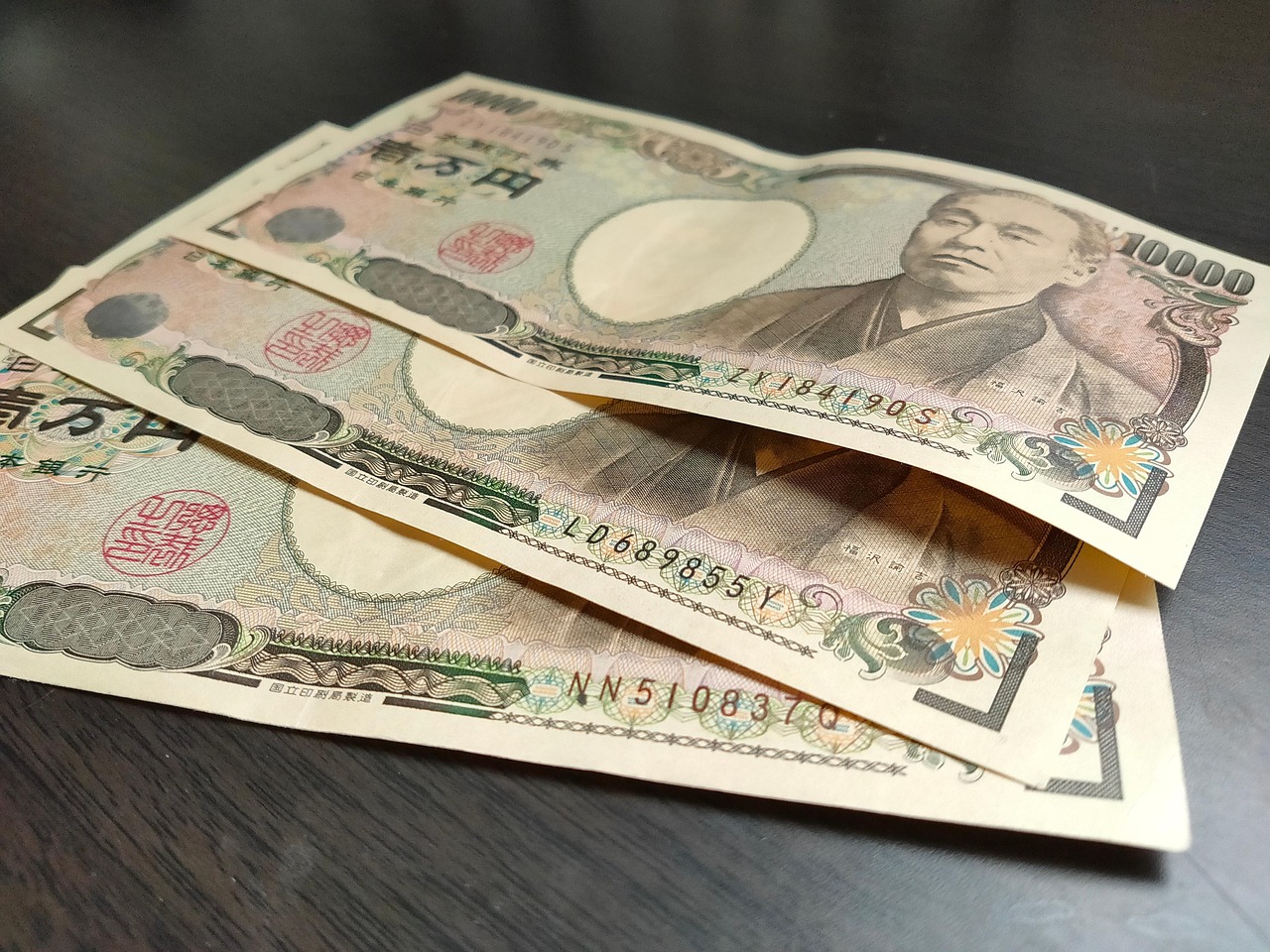
Asian currencies traded within narrow ranges on Monday as investors closely monitored ongoing geopolitical tensions in the Middle East and rising inflation risks that could keep U.S. interest rates higher for longer. The U.S. Dollar Index (DXY) edged up 0.1% to hover near the 99 level after recording losses in the previous week, reflecting cautious market sentiment.
Foreign exchange markets remained focused on stalled negotiations between the United States and Iran. Although reports suggested both countries were discussing extending a temporary truce and reopening key shipping routes through the Strait of Hormuz, significant disagreements remain unresolved. Any potential agreement would also require approval from U.S. President Donald Trump, adding further uncertainty to the outlook.
At the same time, Israel expanded military operations in Lebanon targeting the Iran-backed Hezbollah group. The escalation renewed concerns about broader regional instability, prompting a rebound in crude oil prices. Higher oil prices have intensified worries about inflation, influencing expectations for global central bank policies.
Across Asia, most currency movements were modest. The Japanese yen weakened slightly, with USD/JPY rising 0.1%. The Singapore dollar also softened, pushing USD/SGD up 0.1%. The South Korean won stood out, with USD/KRW climbing 0.6%, making it one of the region’s weaker performers.
According to ING analysts, the won’s weakness is linked to the strong rally in South Korean equities. As foreign investors increase their exposure to Korean assets, portfolio rebalancing has led to reduced holdings of domestic stocks, contributing to pressure on the currency.
Elsewhere, the Indian rupee strengthened modestly, with USD/INR falling 0.2%, while the Australian dollar remained largely unchanged. China’s yuan was also stable, as investors assessed mixed economic data. Official figures showed China’s manufacturing PMI slipped, indicating weak factory activity amid soft domestic demand and rising costs. However, the non-manufacturing PMI improved, signaling resilience in the services sector.
Markets are increasingly focused on inflation risks following recent gains in oil prices. Expectations for Federal Reserve rate cuts have been scaled back, with some analysts now considering the possibility of additional rate hikes if energy-driven inflation continues to accelerate.
Investors will closely watch upcoming U.S. economic releases, particularly Friday’s nonfarm payrolls report, for clues about the Federal Reserve’s next policy move. Market participants are also awaiting comments from Fed officials and policy decisions from major Asian central banks, including the Bank of Japan and the Reserve Bank of India.
As global economic uncertainty persists, currency markets are expected to remain sensitive to geopolitical developments, inflation trends, and central bank guidance throughout 2026.







