


 Wall Street Ends Flat as Oil, Treasury Yields and Fed Jitters Rattle Markets
  European Stocks Slip as Iran Tensions Offset Strong Eurozone Data
  Mexico-US Trade Talks Delayed to October as Tariff Negotiations Continue
  US Stock Futures Fall as Treasury Yields Surge Ahead of Trump-Xi Summit
  US 10-Year Treasury Yield at 6% Emerges as New Market Risk Threshold
  Australia Unemployment Hits Five-Year High Despite Strong Jobs Growth
  South Korea, US Discuss Warship Building Cooperation
  US, China Extend Trade Truce to Jan. 10 Ahead of Trump-Xi Summit
  European Stocks Fall as Bond Yields and Geopolitical Risks Weigh
  Gold Prices Fall as Treasury Yields Rise on Fed Rate Hike Bets
  Oil Prices Jump 3% as Houthi Attack Revives Supply Fears
  Japan Private-Sector Growth Slows as Domestic Demand Weakens
  Wall Street Falls as Treasury Yields Surge, Oil Rebounds on Iran Tensions
  Asian Stocks Fall as Bond Yields Surge Ahead of Trump-Xi Summit
  Russian Envoy Dmitriev Heads to US for Ukraine Talks
  Trump, Xi Focus on Trade and AI at White House Summit


 Add as a preferred source on Google
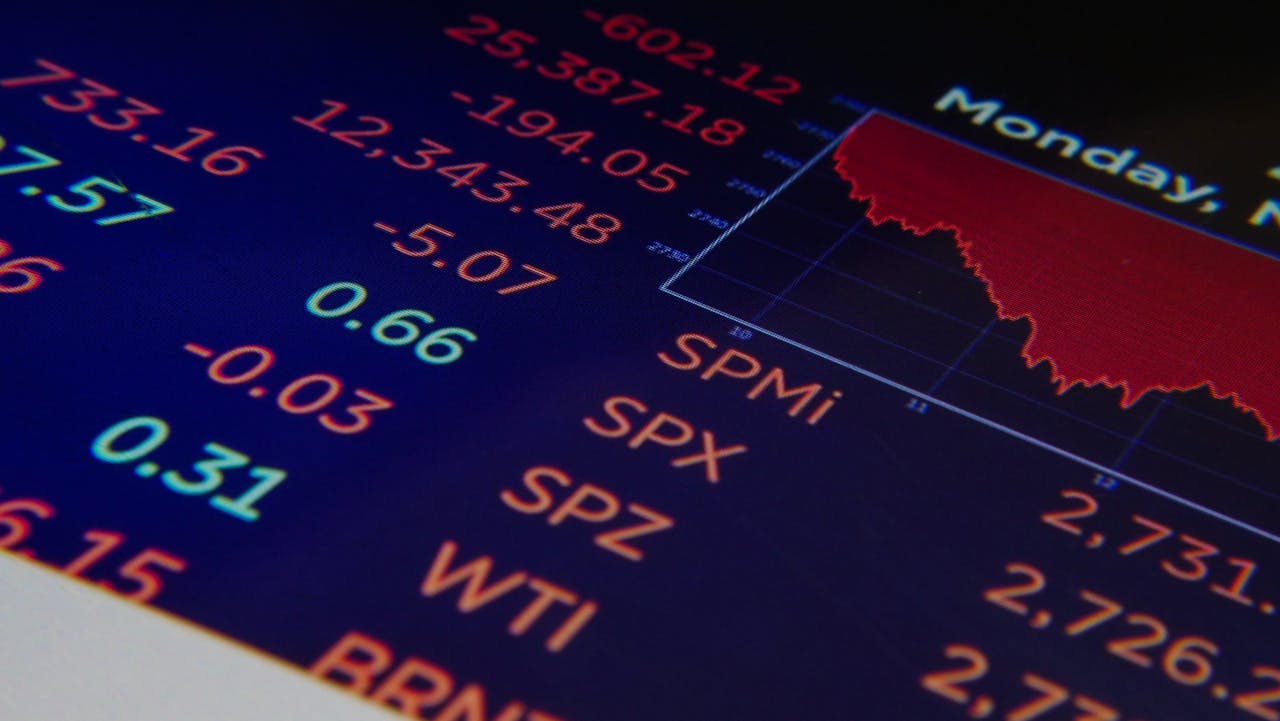
Asian stock markets posted strong gains on Friday, supported by a global technology rally and growing optimism surrounding a potential extension of the ceasefire between the United States and Iran. Investor confidence improved as artificial intelligence (AI)-related stocks followed Wall Street’s record-setting performance, while easing geopolitical concerns encouraged broader risk-taking across financial markets.
The positive momentum came after the S&P 500 and Nasdaq Composite closed at new all-time highs overnight, driven largely by continued strength in AI-focused companies and semiconductor stocks. The rally quickly spread across Asia, boosting major regional indexes and technology shares.
Japan’s Nikkei 225 surged 2.6%, approaching record levels reached earlier in the week, while the broader TOPIX index gained 2%. South Korea’s KOSPI jumped 3.2%, fueled by strong demand for semiconductor and AI-linked companies. In Hong Kong, the Hang Seng Index rose 1%, with the Hang Seng TECH Index advancing 1.7% as investors increased exposure to growth-oriented technology stocks.
Market sentiment also benefited from reports suggesting that Washington and Tehran are close to reaching a draft agreement that would extend their ceasefire for an additional 60 days. The proposed framework reportedly includes continued discussions on Iran’s nuclear program and regional security issues. Although the agreement still requires approval from U.S. President Donald Trump and has not yet been finalized, the development helped reduce concerns about potential disruptions in the Strait of Hormuz, a critical route for global oil shipments.
As geopolitical risks eased, oil prices declined for a second consecutive session, with Brent crude heading toward its largest weekly loss in nearly two months. Lower energy prices further supported equity markets across the region.
Elsewhere, Australia’s S&P/ASX 200 climbed 1.3%, Singapore’s Straits Times Index gained 1%, and India’s Nifty 50 remained largely unchanged. Chinese markets were more subdued, with the Shanghai Composite slipping 0.4% while the CSI 300 traded near flat levels.
Investors also monitored key economic data from Japan. Tokyo core inflation slowed to 1.3% in May, remaining below the Bank of Japan’s 2% target and reinforcing expectations for a cautious approach to future policy tightening. Meanwhile, Japan’s factory output unexpectedly rose 0.9% in April, and retail sales increased 2.1% year-over-year, highlighting resilience in domestic economic activity despite ongoing global uncertainties.
Despite the strong market performance, traders remain attentive to inflation risks after recent U.S. data showed the Personal Consumption Expenditures (PCE) Price Index, the Federal Reserve’s preferred inflation gauge, recorded its fastest annual increase in three years. The data reinforced expectations that inflation will remain a key factor influencing global financial markets in the months ahead.







