


 China Tightens Fentanyl Rules Ahead of Trump-Xi Summit
  Lula and Flavio Bolsonaro Tied in Brazil Runoff Poll
  Russian Strikes Kill Eight Across Ukraine as Energy Sites Hit
  Kremlin Says No Grounds Yet for Ukraine Peace Talks
  Judge Orders Trump to Restore White House Access for CNN, MS NOW and Politico
  Zelenskiy Warns Russia Preparing Major Attack on Ukraine
  Trump Says ‘Freedom’ Is Coming to Cuba
  Macron Challenges Trump’s Gaza Peace Claims at UN
  Mexico-US Trade Talks Delayed to October as Tariff Negotiations Continue
  Taiwan Thanks US for Support Ahead of Trump-Xi Summit
  Kremlin Says No Decision Yet on Putin-Trump December Summit
  US, China Extend Trade Truce to Jan. 10 Ahead of Trump-Xi Summit
  Trump to Press Xi on Release of US Nuclear Expert Held in China
  US Invites Putin to Miami G20, Opening Door to Trump Summit
  Russian Envoy Dmitriev Heads to US for Ukraine Talks
  Netanyahu Takes Aim at Mamdani as Israel Election Nears
  Europe Warns Russia Is Escalating Hybrid Attacks Across NATO


 Add as a preferred source on Google
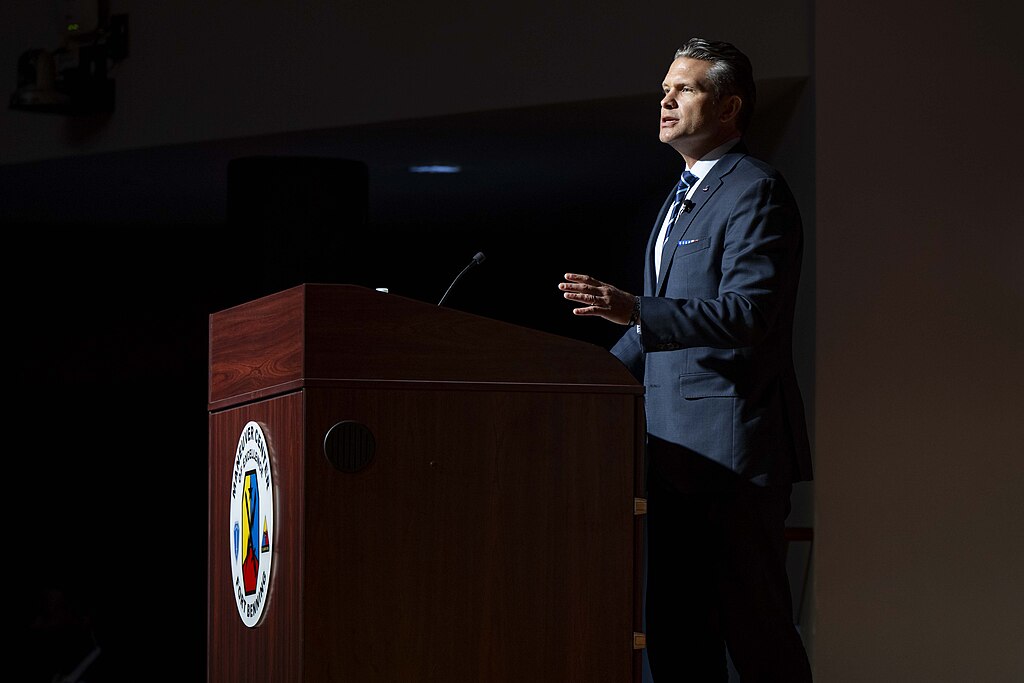
Indo-Pacific countries are accelerating military modernization and strengthening regional defense partnerships as concerns grow over China's expanding military capabilities and uncertainty surrounding long-term U.S. strategic focus in the region.
Speaking at the Shangri-La Dialogue in Singapore, one of Asia’s leading defense and security forums, U.S. Defense Secretary Pete Hegseth urged regional allies to increase their defense contributions while reaffirming Washington’s commitment to Indo-Pacific security. Addressing concerns that conflicts in the Middle East, including tensions involving Iran, could divert U.S. attention, Hegseth stressed that the United States remains capable of managing multiple security challenges simultaneously.
Despite assurances from Washington, many regional leaders are expanding defense cooperation beyond the traditional U.S.-led security framework. Philippine Defense Secretary Gilberto Teodoro said Indo-Pacific nations are united in rapidly strengthening their military capabilities and building stronger partnerships with countries such as Japan, Australia, Canada, and New Zealand. He noted that broader regional participation enhances deterrence and reinforces U.S. security commitments.
Japan is emerging as a key player in this evolving defense network. Japanese Defense Minister Shinjiro Koizumi highlighted Tokyo’s ambition to serve as a regional connector, facilitating greater defense collaboration among like-minded nations. Following recent reforms that significantly eased restrictions on military exports, Japan plans to expand defense equipment cooperation and provide partner countries with critical military assets when needed.
Singapore Defense Minister Chan Chun Sing emphasized the importance of flexible partnerships and coalitions capable of addressing emerging security challenges. Meanwhile, Canada is increasing military engagement across the Indo-Pacific through cybersecurity cooperation, maritime exercises, and training initiatives with regional partners.
New Zealand is also exploring closer defense ties and evaluating new naval vessels from Japan and the United Kingdom to replace its aging frigate fleet. Officials are additionally considering deeper engagement under the longstanding Five Power Defence Arrangements.
While regional nations continue to strengthen defense partnerships, leaders from the Philippines, Australia, and other countries maintain confidence in continued U.S. engagement. They view the U.S. alliance network as a cornerstone of Indo-Pacific stability, even as nations increasingly invest in their own defense capabilities and regional security cooperation.







