


 U.S. Treasury Yields Surge as 30-Year Hits 22-Year High
  Gold Prices Fall as Treasury Yields Rise on Fed Rate Hike Bets
  Gold Drops Over 1% as Dollar, Treasury Yields Surge on Fed Rate Hike Bets
  Dollar Hits Two-Month High as Fed Rate Hike Bets Rise
  Soybean Futures Slip as Traders Await Trump-Xi Trade Signals
  Japan Private-Sector Growth Slows as Domestic Demand Weakens
  US Dollar Hits Two-Month High as Fed Rate Hike Bets Rise
  Wall Street Falls as Treasury Yields Surge, Oil Rebounds on Iran Tensions
  South Korea, US Discuss Warship Building Cooperation
  European Stocks Fall as Bond Yields and Geopolitical Risks Weigh
  Oil Prices Surge as U.S.-Iran Diplomacy Hopes Fade
  Asian Currencies Mixed as Dollar Holds Near Two-Month High
  Russian Envoy Dmitriev Heads to US for Ukraine Talks
  Asian Stocks Fall as Bond Yields Surge Ahead of Trump-Xi Summit
  China’s ‘Lipstick King’ Says AI Won’t Replace Livestream Hosts
  Wall Street Ends Flat as Oil, Treasury Yields and Fed Jitters Rattle Markets
  Oil Prices Jump 3% as Houthi Attack Revives Supply Fears


 Add as a preferred source on Google
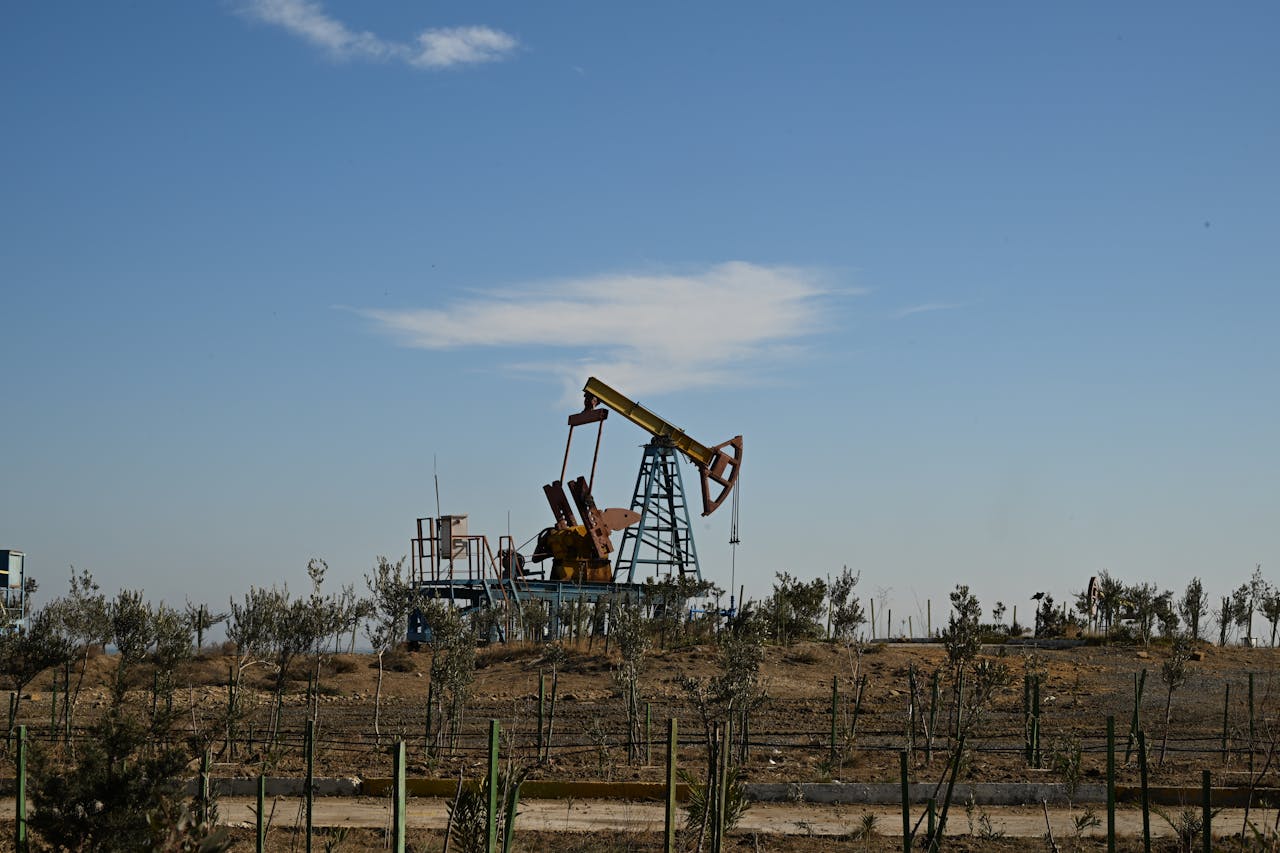
Oil prices moved lower during Asian trading on Friday and were on track for significant weekly losses as investors evaluated the possibility of a longer U.S.-Iran ceasefire agreement and its potential impact on global oil supply.
Brent crude futures slipped 0.5% to $93.24 per barrel, while West Texas Intermediate (WTI) crude futures declined 0.9% to $88.17 per barrel. Both major oil benchmarks were heading toward weekly losses of nearly 10%, marking their steepest weekly drop in several months.
Market sentiment improved after reports indicated that the United States and Iran had reached a preliminary agreement to extend their existing ceasefire by an additional 60 days. The proposed arrangement would allow both sides to continue negotiations related to Iran’s nuclear program and broader regional security concerns. However, the agreement still requires approval from U.S. President Donald Trump before it can take effect.
The possibility of a prolonged ceasefire has reduced fears of immediate disruptions to global oil supplies. Investors believe that shipping operations through the Strait of Hormuz, one of the world’s most important energy transit routes, could gradually return to normal levels if diplomatic progress continues.
Despite the optimism, vessel traffic through the Strait of Hormuz remains below pre-conflict levels, leaving a geopolitical risk premium embedded in crude oil prices. This ongoing uncertainty continues to influence market volatility.
Oil markets have experienced sharp fluctuations in recent days as traders reacted to mixed headlines regarding the ceasefire negotiations. Prices briefly recovered on Thursday after reports of renewed military activity involving U.S. and Iranian forces. However, those gains faded as expectations of a diplomatic breakthrough regained momentum.
Investors are also closely monitoring the broader economic environment. Recent U.S. inflation data showed that price pressures remain elevated, strengthening expectations that the Federal Reserve could maintain higher interest rates for an extended period. Higher borrowing costs may slow economic activity and reduce energy consumption.
Additionally, revised U.S. economic growth figures pointed to weaker first-quarter performance, raising concerns about future global oil demand. Combined with easing geopolitical tensions, these factors have contributed to downward pressure on crude oil prices and increased uncertainty about the near-term outlook for the energy market in 2026.







