


 Denmark Says Greenland Sovereignty Protected in US Military Deal
  Scott Bessent Eyed as Trump’s New AI Czar
  Burnham Eyes UK Leadership Role in AI Ahead of Trump Meeting
  Russian Strikes Kill Eight Across Ukraine as Energy Sites Hit
  Canada Unveils Bill to Fast-Track Major Resource Projects
  UK, Mauritius Seek Diego Garcia Base Deal
  Trump Scales Back Endangered Species Act Protections
  Lula Meets Mamdani in New York as Elections Approach
  Trump Says ‘Freedom’ Is Coming to Cuba
  US, Japan and South Korea Back Taiwan Ahead of Trump-Xi Summit
  Macron Challenges Trump’s Gaza Peace Claims at UN
  Trump Meets Venezuela’s Delcy Rodriguez at UN Assembly
  Paramount-Warner Bros $110 Billion Deal Draws Antitrust Backlash
  Zelenskiy Meets CIA Chief John Ratcliffe at Ireland’s Shannon Airport
  US, Denmark and Greenland Set to Sign Arctic Security Deal
  Trump Says U.S.-Iran Peace Deal Near After UN Talks
  Trump Open to Pezeshkian Meeting as Iran Tensions Escalate


 Add as a preferred source on Google
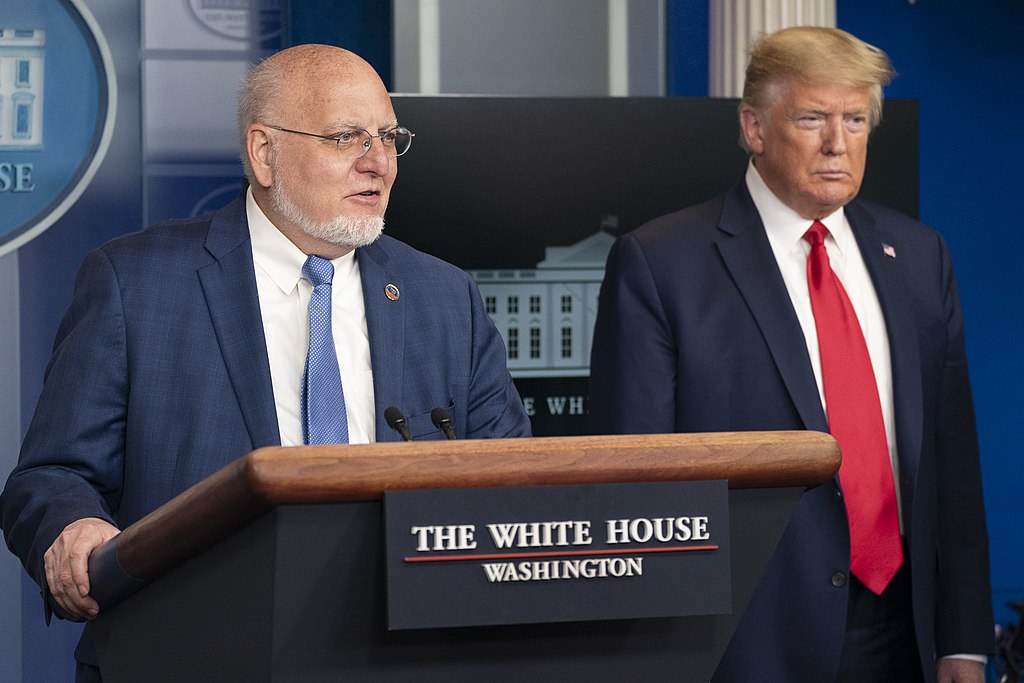
Former Centers for Disease Control and Prevention (CDC) Director Dr. Robert Redfield has made headlines with his assessment of President-elect Donald Trump’s pick for Secretary of Health and Human Services (HHS), Robert F. Kennedy Jr. Redfield’s remarks about Kennedy’s approach to vaccine skepticism and health policy have reignited heated debates across the political and scientific communities.
Kennedy, a known critic of vaccine mandates and some mainstream public health initiatives, has been a polarizing figure throughout his career. His nomination to head the HHS has drawn criticism from medical professionals and public health advocates. Yet, Dr. Redfield’s comments have added a surprising twist to the ongoing discourse.
Speaking to reporters, Redfield suggested that Kennedy’s critical approach to vaccines and public health systems could lead to innovative and “science-oriented” discussions within the HHS. While acknowledging the controversy surrounding Kennedy’s stance, Redfield emphasized the potential benefits of questioning longstanding health policies.
Kennedy's Views Stir Controversy
Kennedy has long championed skepticism over vaccine mandates, positioning himself as a defender of individual rights in medical decisions. His controversial stance has drawn criticism from prominent public health experts, who argue that his questioning of vaccine safety undermines decades of scientific research.
However, his supporters argue that Kennedy’s leadership could bring much-needed transparency and reform to health agencies often accused of prioritizing pharmaceutical profits over public welfare.
Public health experts remain divided. Some see Kennedy’s appointment as a step backward, citing concerns that his views could erode public trust in vaccines and health programs. Others view it as an opportunity to address systemic flaws in the health care system, including funding priorities and regulatory inefficiencies.
Redfield’s Perspective Sparks Outrage
Dr. Redfield’s remarks have added fuel to the fire. As former CDC Director, his acknowledgment of Kennedy’s “science-oriented” approach has drawn both praise and sharp criticism. Many argue that Redfield’s perspective legitimizes Kennedy’s controversial views, while others see it as a call to critically reassess existing health models.
The scientific community remains largely skeptical of Kennedy’s credentials. Experts warn that his focus on vaccine safety could lead to the spread of misinformation, potentially derailing public health initiatives at a critical time. However, Redfield suggested that Kennedy’s nomination could provoke meaningful dialogue about improving health care systems.
Political Implications and Backlash
The nomination has also sparked political backlash. Democratic lawmakers have called for a thorough vetting process, voicing concerns about Kennedy’s potential to weaken key health programs. Meanwhile, Republican supporters argue that Kennedy’s appointment reflects Trump’s commitment to challenging bureaucratic norms and prioritizing transparency.
With Kennedy’s confirmation process looming, the controversy shows no signs of abating. Advocates and critics alike are preparing for a contentious debate that could redefine the future of U.S. health policy.







