


 U.S. Issues Cuba Health Alert as Illnesses Rise
  US Plans Two New Military Bases in Greenland Under Arctic Deal
  Trump Open to Pezeshkian Meeting as Iran Tensions Escalate
  Australia Defends Social Media Algorithm Law Amid US Concerns
  Trump Sets High-Stakes UN Meetings With Zelenskiy, Gulf Leaders
  Judge Blocks Trump Rule Limiting Foreign Student Visas
  Lula Meets Mamdani in New York as Elections Approach
  Vietnam, US Trade Deal Could Be Signed Soon, To Lam Says
  Canada Unveils Bill to Fast-Track Major Resource Projects
  Saudi Arabia Shuts East-West Oil Pipeline After Drone Attack
  SEC Seeks ISS Client Voting Records in Proxy Adviser Probe
  Paramount-Warner Bros $110 Billion Deal Draws Antitrust Backlash
  US Resumes Immigrant Visa Processing for Hungary, Poland
  DOJ Will Investigate AI-Related Crimes, Attorney General Blanche Says
  Australia Plans New Rules Giving Users Control Over Social Media Feeds
  Trump, Iran Trade Threats as Middle East Tensions Escalate


 Add as a preferred source on Google
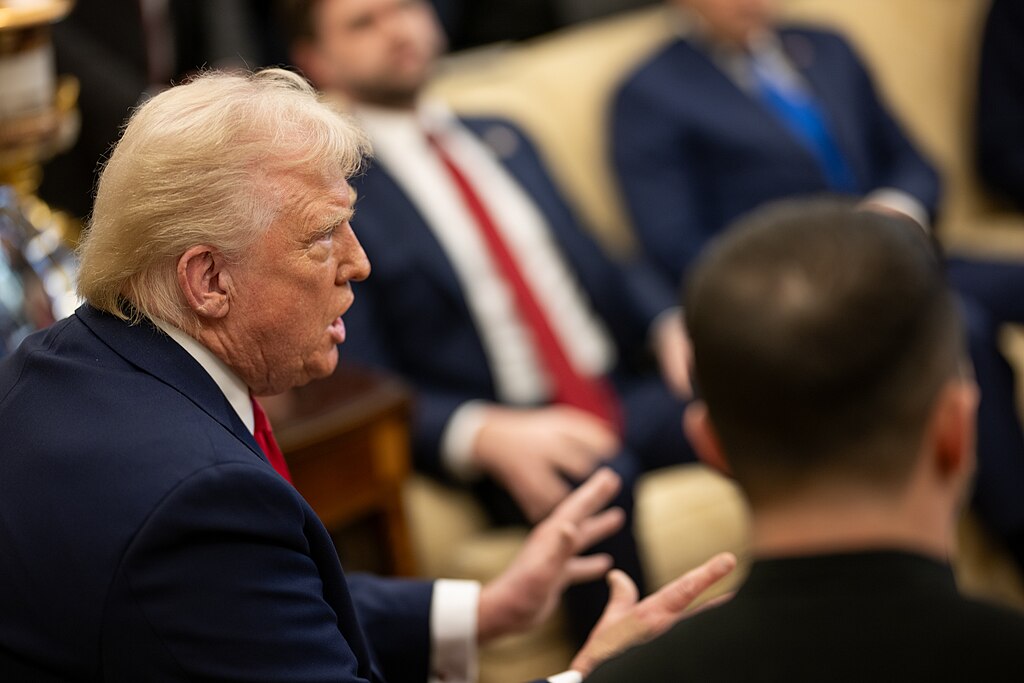
US President Donald Trump has significantly revised federal endangered species regulations during his second term, advancing a broader effort to reduce permitting barriers for energy, mining, agriculture and other development projects.
The Endangered Species Act (ESA), enacted more than 50 years ago, has played a major role in protecting wildlife including the bald eagle and California condor. The Trump administration says its regulatory changes restore the law's original intent while reducing burdens on landowners and businesses. Environmental groups and several states argue the changes weaken wildlife protections.
The administration began its latest push on April 16, 2025, by proposing to remove habitat modification from the regulatory definition of "harm," one form of prohibited "take" under the ESA.
On November 19, 2025, the Interior Department proposed four additional regulatory revisions, including changes allowing economic and national security considerations when deciding whether areas should be excluded from critical habitat designations.
The Endangered Species Committee then approved an exemption on March 31, 2026, covering certain Gulf of Mexico oil and gas operations, citing national security and domestic energy requirements.
On July 10, the administration finalized its repeal of the regulatory definition of "harm," while maintaining prohibitions against actions that directly injure or kill protected wildlife.
A week later, regulators finalized further ESA changes. These eliminated automatic protections for newly listed threatened species and expanded consideration of economic, national security and other impacts in critical habitat decisions.
Trump continued the policy shift on September 4 by directing the Interior Department to review whether gray wolves and Mexican wolves qualify for delisting or reduced protections.
Twenty states and Washington, D.C., sued the administration on September 9, challenging the revised "harm" definition and other regulatory changes.
The dispute intensified on September 14 when US Fish and Wildlife Service Director Brian Nesvik issued an internal memorandum directing officials to apply a narrower interpretation of prohibited "take," potentially further limiting federal enforcement of endangered species protections.







