


 Paramount-Warner Bros $110 Billion Deal Draws Antitrust Backlash
  Macron Challenges Trump’s Gaza Peace Claims at UN
  Lula Meets Mamdani in New York as Elections Approach
  Zelenskiy Meets CIA Chief John Ratcliffe at Ireland’s Shannon Airport
  Macron, Trump Discuss Ukraine-Russia Energy Strike Moratorium
  Denmark Says Greenland Sovereignty Protected in US Military Deal
  Canada Unveils Bill to Fast-Track Major Resource Projects
  US, Denmark and Greenland Set to Sign Arctic Security Deal
  Russian Strikes Kill Eight Across Ukraine as Energy Sites Hit
  Trump Administration Prepares Sanctions Against Entire ICC
  UK, Mauritius Seek Diego Garcia Base Deal
  Trump Meets Venezuela’s Delcy Rodriguez at UN Assembly
  Vietnam, US Trade Deal Could Be Signed Soon, To Lam Says
  Carney Condemns Belleville Synagogue Shooting That Wounded Police Officer
  Taiwan Vows to Advance US Arms Sales Ahead of Trump-Xi Meeting
  Zelenskiy Warns Russia Preparing Major Attack on Ukraine
  CNN, MS NOW and Politico Sue Trump Over White House Media Ban


 Add as a preferred source on Google
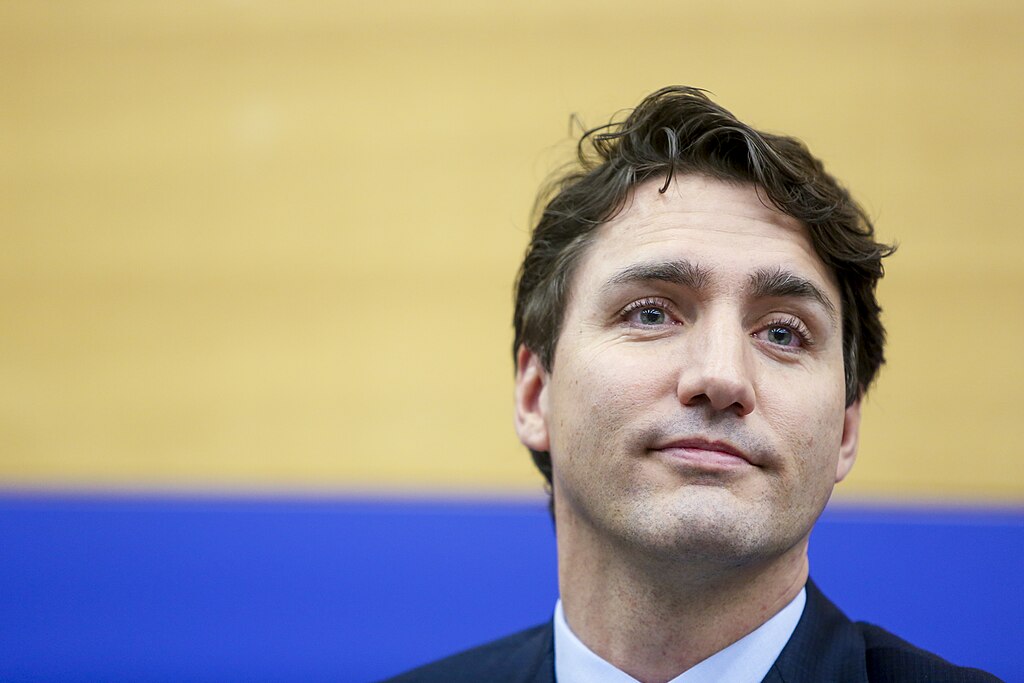
Canadian Prime Minister Justin Trudeau has unveiled a groundbreaking immigration policy, signaling a significant shift in the nation’s approach to welcoming newcomers. The policy outlines substantial reductions in both permanent and temporary residents over the next three years, a move that has ignited sharp debates across the political spectrum.
The announcement marks a departure from Canada’s long-standing reputation as a global leader in immigration. Historically, Canada has relied on high immigration rates to address labor shortages and fuel economic growth. Trudeau, however, cited concerns over housing shortages, infrastructure strain, and rising public opposition as key drivers behind the decision.
Details of the Policy
Under the new plan, annual immigration targets will see a sharp decline beginning in 2025. The federal government aims to reduce permanent resident admissions by nearly 20% from previously planned levels. Temporary foreign worker programs and international student admissions will also face significant cuts, with the number of new entries expected to drop by over 15%.
The government defended the move as necessary to address growing public concerns. “Canada’s resources are finite,” a spokesperson for the Prime Minister's Office said. “This policy ensures that we balance population growth with sustainable development.”
Critics Slam the Decision
The policy has drawn criticism from immigration advocates, economists, and even some members of Trudeau's own party. Opponents argue that scaling back immigration could exacerbate existing labor shortages and hinder economic recovery. “Immigration is vital to Canada’s economic success,” said one opposition leader. “Reducing it during a time of global competition for talent is shortsighted.”
Business leaders have also voiced concerns, warning that curbing temporary foreign worker programs could disrupt key industries, including agriculture, construction, and healthcare. International students, who contribute billions to the Canadian economy, are another group expected to be significantly affected.
Meanwhile, advocacy groups warned the policy could harm Canada’s international reputation. “This sends a troubling message to the world,” said a spokesperson for a leading refugee organization. “Canada is retreating from its role as a global humanitarian leader.”
Supporters Praise “Responsible Governance”
On the other side of the debate, proponents of the policy have lauded Trudeau’s government for taking what they describe as a pragmatic approach. Housing affordability and infrastructure capacity were cited as critical issues, particularly in urban centers such as Toronto and Vancouver.
“This policy prioritizes Canadians first,” one supporter said. “Addressing the housing crisis and ensuring quality of life for residents must come before increasing immigration numbers.”
Trudeau’s government emphasized that the reductions are temporary and subject to annual reviews. Officials hinted that immigration levels could rise again once Canada’s housing and infrastructure challenges are addressed.
What’s Next?
As the new immigration policy takes shape, the Trudeau government faces mounting pressure to navigate competing priorities. With upcoming elections, the issue is set to dominate political discourse, polarizing voters across the nation.
For now, Canada braces for the immediate impacts of the policy, with critics and supporters watching closely as the nation’s immigration future hangs in the balance.







