


 Macron, Trump Discuss Ukraine-Russia Energy Strike Moratorium
  Diana’s Brother Backs Security for Harry and Meghan
  US Plans Two New Military Bases in Greenland Under Arctic Deal
  UK, Mauritius Seek Diego Garcia Base Deal
  Mexico Pushes for US Trade Deal Before Midterms
  Carney Condemns Belleville Synagogue Shooting That Wounded Police Officer
  U.S. Stock Futures Rise Ahead of Trump-Xi Summit, Middle East Risks Weigh
  Strait of Hormuz Oil Shipments Hit Six-Month High as U.S. Clears Mines
  AfD Wins German State Election as Merz’s CDU Hits Historic Low
  Yen Weakens as Dollar Gains on Widening US-Japan Rate Gap
  Yen in Focus as BOJ, Fed Rate Hikes Reshape Currency Markets
  S&P 500 Historically Rallies After Midterm Elections, UBS Says
  Europe Jet Fuel Deficit Drives South Korean Imports to Four-Year High
  UK Home Asking Prices Rise for First Time Since May
  Paramount-Warner Bros $110 Billion Deal Draws Antitrust Backlash
  CNN, MS NOW and Politico Sue Trump Over White House Media Ban


 Add as a preferred source on Google
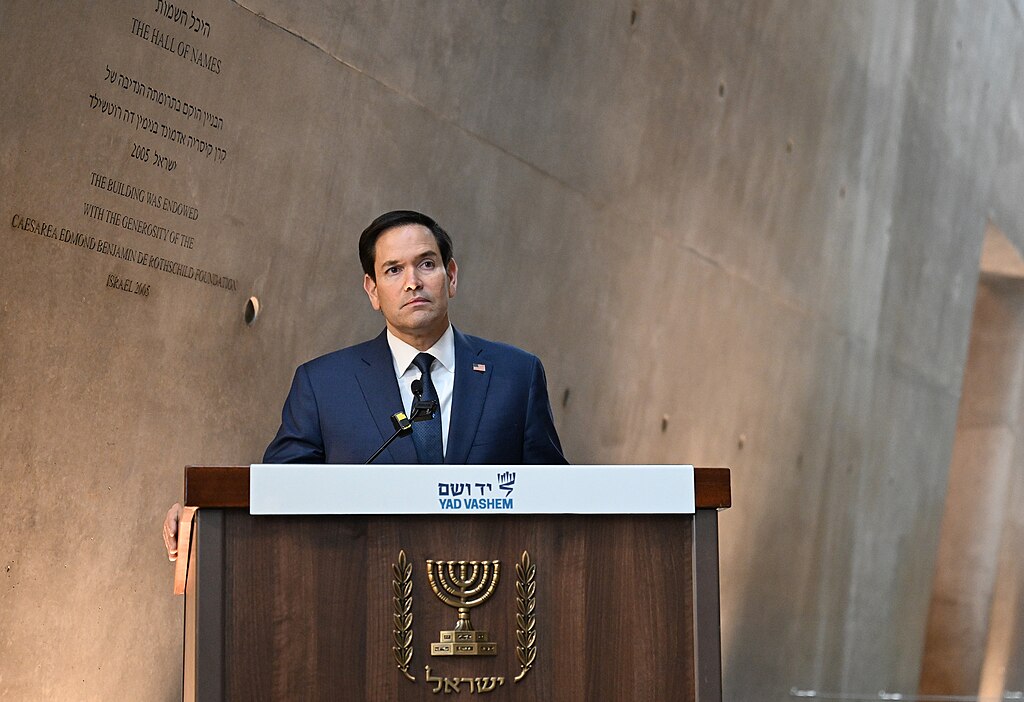
The United States reaffirmed its defense commitments to Japan and South Korea on Monday as the three allies emphasized Taiwan Strait stability ahead of President Donald Trump’s summit with Chinese President Xi Jinping in Washington this week.
US Secretary of State Marco Rubio met South Korean Foreign Minister Cho Hyun and Japanese Foreign Minister Toshimitsu Motegi in New York during the United Nations General Assembly. Their talks focused on regional security, economic cooperation, Taiwan and North Korea.
In a joint statement, the three countries pledged to oppose economic coercion, non-market practices and arbitrary export restrictions that could disrupt global supply chains. They also welcomed a new trilateral consultation mechanism aimed at strengthening economic security, critical technologies and supply-chain resilience.
Washington reiterated its defense commitments to Japan and South Korea, including extended deterrence backed by US nuclear capabilities. Such security assurances have long formed part of trilateral cooperation among Washington, Tokyo and Seoul.
The ministers also stressed the importance of peace and stability across the Taiwan Strait and supported Taiwan’s meaningful participation in appropriate international organizations. Taiwan remains a major source of tension between Washington and Beijing, with China claiming the democratically governed island as its territory.
The meeting comes before Trump hosts Xi at the White House on Thursday. Analysts cited in the original report said US allies are watching closely for possible agreements involving Taiwan or trade that could affect regional security and their economic competitiveness.
Japan and South Korea are also seeking engagement with Trump during the UN gathering. Japanese Prime Minister Sanae Takaichi and South Korean President Lee Jae Myung are scheduled to address the General Assembly on Tuesday.
On North Korea, Rubio, Cho and Motegi reaffirmed their commitment to complete denuclearization and urged Pyongyang to return to dialogue. Previous trilateral statements have similarly linked regional security cooperation with efforts to address North Korea’s nuclear and ballistic missile programs.
Economic issues remain prominent for Seoul, which is negotiating details of a $350 billion US investment package. A South Korean opposition lawmaker on Monday called for parliamentary scrutiny, citing potential financial risks tied to proposed energy projects.







