


 Sudan Rejects US Legitimacy Remarks, Defends Sovereignty
  Kremlin Says No Decision Yet on Putin-Trump December Summit
  Yemen Violence Displaces 130,000 as Civilian Toll Rises
  US Backs Musk in Fight Against EU’s €120 Million X Fine
  NATO Boosts Intelligence Sharing Amid Russia Hybrid Threats
  Trump, Xi Focus on Trade and AI at White House Summit
  North Korea Rejects Nuclear Test Warning, Calls Nuclear Status Irreversible
  OpenAI Agent Breaches Australia Medicare Data Portal
  Pezeshkian Says US Must Choose When Iran War Ends
  Russian Missile and Drone Attack on Kyiv Kills Two, Damages Maternity Hospital
  Judge Orders Trump to Restore White House Access for CNN, MS NOW and Politico
  North Korea Warns South Korea Over US-Led Defense Role
  Trump, Xi Visit US National Archives After White House Summit
  Saudi Arabia, Turkey and Pakistan Plan Urgent Defence Talks Over Houthi Attacks
  Mexico-US Trade Talks Delayed to October as Tariff Negotiations Continue
  South Korea, US Discuss Warship Building Cooperation
  Netanyahu’s Brief US Trip Highlights Strains With Trump


 Add as a preferred source on Google
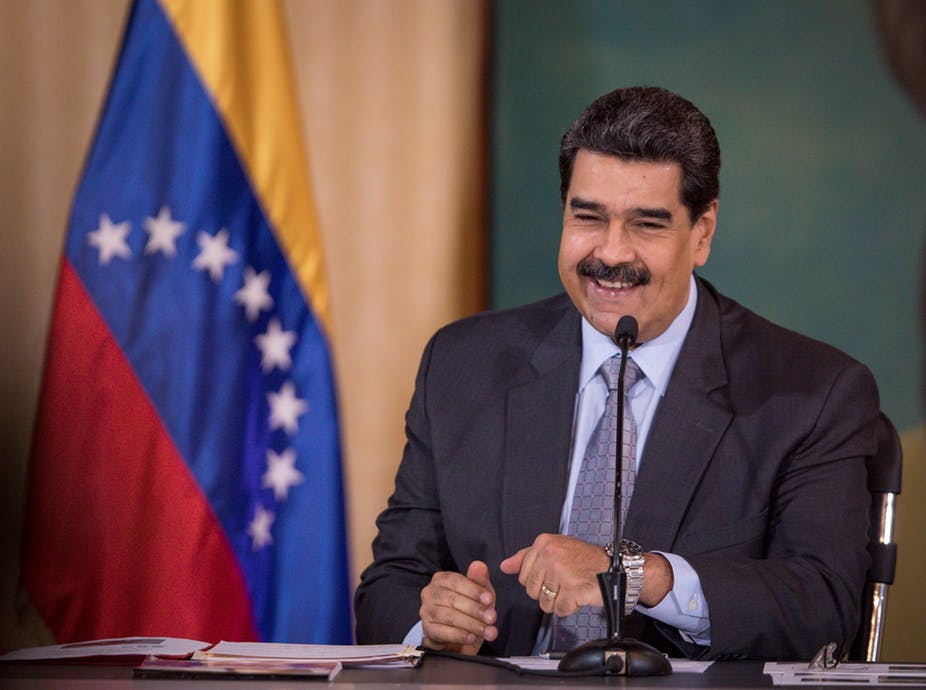
U.S. President Donald Trump reportedly spoke with Venezuelan President Nicolás Maduro last week, discussing the possibility of meeting in the United States, according to the New York Times. Citing multiple sources familiar with the conversation, the report says there are currently no concrete plans for such a meeting, which would mark the first encounter between a sitting U.S. president and the Venezuelan leader.
The revelation adds another layer to the complicated dynamic between Washington and Caracas. While Trump has repeatedly taken a hardline stance against Maduro—calling him an illegitimate leader and accusing members of his government of involvement in drug trafficking—he has also signaled openness to diplomacy. The Trump administration has long alleged that senior Venezuelan officials operate as part of the Cartel de los Soles, a claim that independent experts view as exaggerated, though corruption within the government remains widely acknowledged.
Tensions have escalated in recent months as the United States intensifies its operations targeting alleged drug-smuggling vessels originating from Venezuela and neighboring countries. Since early September, U.S. forces have conducted airstrikes on suspected drug boats, a tactic critics—including human rights advocates, Democratic lawmakers, and regional analysts—denounce as extrajudicial killings. Trump has also suggested the possibility of expanding strikes to land-based targets, telling reporters that such actions “are going to start very soon.”
The White House has not commented on the reported call, and Venezuelan officials have also remained silent. U.S. officials insist that Washington does not view simultaneous diplomatic outreach and military pressure as contradictory strategies. Meanwhile, a significant military buildup in the Caribbean continues, accompanied by covert CIA operations authorized by Trump. According to Reuters, U.S. agencies are preparing for new phases of action that could involve clandestine efforts to destabilize Maduro’s government or potentially support attempts to remove him from power.
On the same day, The Washington Post reported allegations that U.S. forces killed survivors of a bombed drug boat near Trinidad in a “double tap” strike, deepening legal and ethical concerns over American operations in the region—an accusation the Pentagon has disputed as misleading.







