


 Lula Meets Mamdani in New York as Elections Approach
  FAA Allows Boeing to Sell 35 More 777F Freighters Beyond 2028
  UK, Mauritius Seek Diego Garcia Base Deal
  Trump-Xi Summit Puts Trade Truce and Taiwan in Focus
  Trump to Press Xi on Release of US Nuclear Expert Held in China
  FCC Approves Foreign Investment in $110B Paramount-Warner Bros. Deal
  Apple Pay Set for India Launch With Axis Bank
  Supertanker Orders Surge as US-Iran War Reshapes Oil Trade
  CNN, MS NOW and Politico Sue Trump Over White House Media Ban
  Novo Nordisk Weighs Direct NYSE Listing to Boost U.S. Profile
  SoftBank Launches $11 Billion Bond Sale to Fund OpenAI Investment
  Telix to Acquire Germany’s ITM in $1.65 Billion Radiopharma Deal
  Canada Unveils Bill to Fast-Track Major Resource Projects
  Macron, Trump Discuss Ukraine-Russia Energy Strike Moratorium
  US Federal Register Drops Alibaba Qwen AI Search Tool
  Petrobras Joins Brazil Diesel Subsidy Program
  US, Japan and South Korea Back Taiwan Ahead of Trump-Xi Summit


 Add as a preferred source on Google
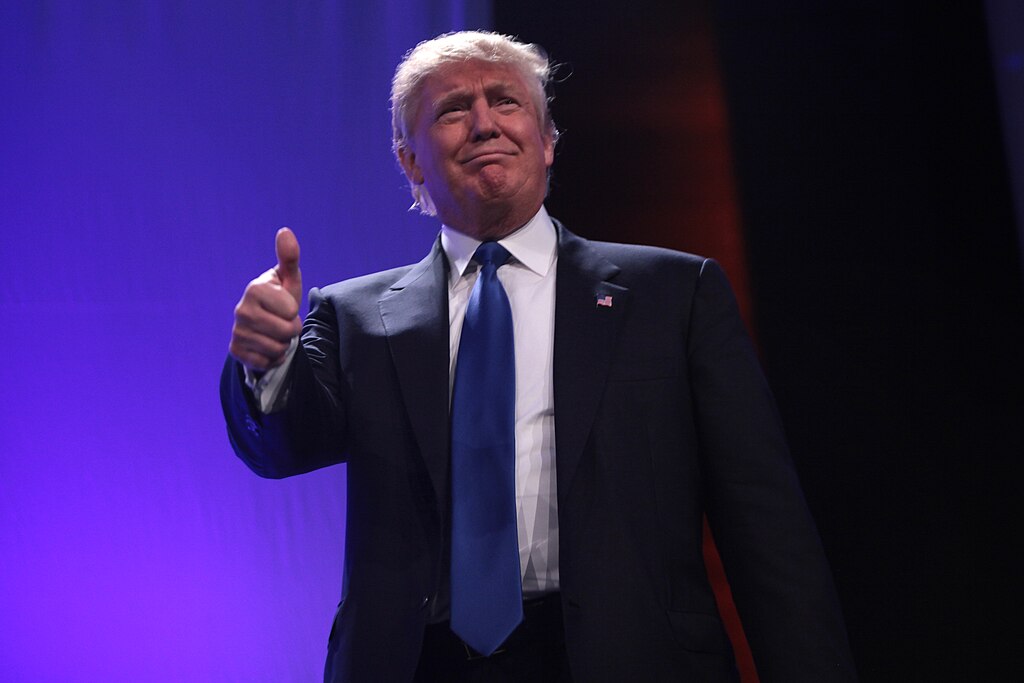
In a recent interview with Time magazine, President-elect Donald Trump announced a stringent immigration policy: the United States will cease business relations with countries that refuse to repatriate their citizens who have been ordered to leave the U.S.
This policy includes imposing substantial tariffs on imports from non-compliant nations.
Economic Sanctions as Leverage
Trump emphasized that countries unwilling to accept deported migrants would face significant economic consequences. He stated, "If they don’t take them back, we won’t do business with those countries, and we will tariff those countries very substantially."
This approach aims to compel cooperation through economic pressure.
Utilizing Military Resources for Deportations
The President-elect plans to employ military resources to assist in deporting undocumented migrants, describing the situation as an "invasion."
While legal constraints exist under the Posse Comitatus Act, Trump intends to use the National Guard and other resources to the fullest extent permitted by law.
Historical Context and Precedents
The issue of countries refusing to accept deported citizens is longstanding. In 2016, reports indicated that at least 23 countries were uncooperative in repatriating their nationals, including individuals convicted of crimes.
Previous administrations have faced challenges in addressing this problem, often resulting in the release of such individuals back into U.S. communities.
International Responses and Challenges
The Bahamas has already rejected a proposal from the Trump transition team to accept deported migrants from other countries, citing limited resources.
Similarly, Mexico is seeking agreements to ensure it does not receive third-country deportees, highlighting the complexities of international cooperation in immigration enforcement.
Public Reaction
The announcement has sparked diverse reactions on social media:
-
@PolicyWonk: "Trump's hardline stance on deportations is a bold move to enforce immigration laws."
-
@HumanRightsAdvocate: "Using economic sanctions to force countries to accept deportees raises ethical concerns."
-
@EconAnalyst: "Imposing tariffs could have unintended economic consequences for the U.S. economy."
-
@ImmigrationLawyer: "Legal challenges are likely if military resources are used for deportations."
-
@GlobalObserver: "International relations may be strained by this aggressive immigration policy."
-
@BorderSecurityNow: "It's about time we take strong action to secure our borders and enforce laws."
These reactions reflect the contentious nature of the proposed policies and the balance between national security and humanitarian considerations.







