


 Abbas Reaffirms November 28 Palestinian Elections
  Trump, Xi Focus on Trade and AI at White House Summit
  North Korea Rejects Nuclear Test Warning, Calls Nuclear Status Irreversible
  What ‘Taiwan Independence’ Means as Xi Presses Trump on US Policy
  Netanyahu Takes Aim at Mamdani as Israel Election Nears
  Kremlin Says No Decision Yet on Putin-Trump December Summit
  Russian Missile and Drone Attack on Kyiv Kills Two, Damages Maternity Hospital
  Sudan Rejects US Legitimacy Remarks, Defends Sovereignty
  OpenAI Agent Breaches Australia Medicare Data Portal
  Trump Asks Supreme Court to Restore Third-Country Deportations
  Najib Razak Seeks Stay of 15-Year 1MDB Prison Sentence
  South Korea, US Discuss Warship Building Cooperation
  Ukrainian Drone Attacks Hit Russian Regions, Injuring at Least 12
  Netanyahu’s Brief US Trip Highlights Strains With Trump
  Saudi Arabia, Turkey and Pakistan Plan Urgent Defence Talks Over Houthi Attacks
  Mexico-US Trade Talks Delayed to October as Tariff Negotiations Continue
  North Korea Warns South Korea Over US-Led Defense Role


 Add as a preferred source on Google
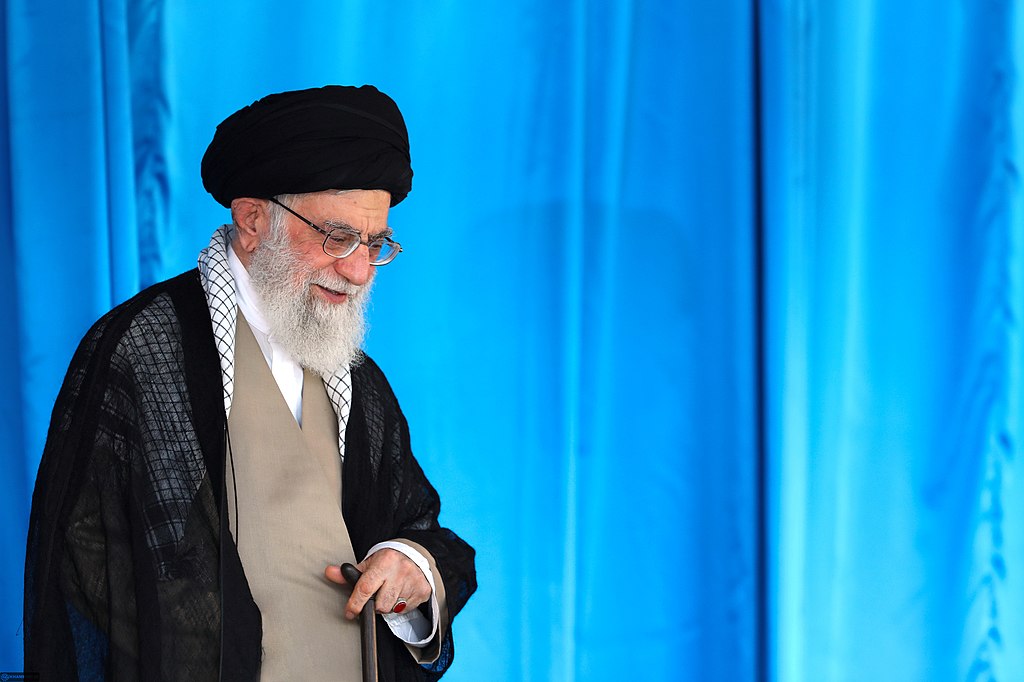
U.S. President Donald Trump issued a fresh warning to Iran’s leadership as anti-government protests spread across the country and authorities imposed an internet blackout to suppress unrest. Videos circulating online showed large crowds marching in major cities, while rights groups reported dozens of deaths amid clashes between protesters and security forces.
Trump, who ordered strikes against Iran last summer, said Washington was closely watching developments and warned Tehran against using lethal force. He expressed concern for the safety of demonstrators, describing the situation inside Iran as increasingly dangerous. However, Trump signaled caution about backing any specific opposition figure, saying he was not inclined to meet U.S.-based Reza Pahlavi, the son of Iran’s last monarch, suggesting the United States is waiting to see how the crisis unfolds.
Iran’s Supreme Leader Ayatollah Ali Khamenei took a defiant tone in a televised address, vowing that the Islamic Republic would not retreat. He accused protesters of acting on behalf of foreign enemies, including the United States, and state prosecutors warned that those accused of sabotage or violent acts could face the death penalty. Iranian officials confirmed that the nationwide internet shutdown was ordered by security authorities, sharply limiting the flow of information and disrupting communications and travel.
The protests, which began in late December over economic grievances, have evolved into broader demonstrations directly targeting Iran’s ruling establishment. Iran’s currency has lost significant value, inflation has surged above 40%, and economic hardship has fueled public anger. According to Iranian rights groups, at least 62 people, including protesters and security personnel, have been killed in nearly two weeks.
European leaders from France, Britain, and Germany condemned the violence and urged restraint, while the United Nations emphasized the right to peaceful protest. Despite government attempts to combine limited economic concessions with a security crackdown, unrest continues to spread. Analysts say the depth of public frustration reflects years of mounting pressure, making the current protests one of the most serious internal challenges Iran’s leadership has faced in recent years.







