


 U.S. Dollar Hits Eight-Week High After Fed Rate Hike
  Kremlin Says No Grounds Yet for Ukraine Peace Talks
  Marco Rubio to Meet Russia’s Lavrov in New York
  Europe Jet Fuel Deficit Drives South Korean Imports to Four-Year High
  Gold Prices Rise as Oil Slump Eases Fed Rate Hike Fears
  Lula Meets Mamdani in New York as Elections Approach
  US-China Talks Target AI, Tariffs Ahead of Trump-Xi Summit
  Asia Stocks Rise on AI Demand as Oil Eases
  Oil Prices Rise as U.S.-Iran Talks Fuel Diplomacy Hopes
  US, Japan and South Korea Back Taiwan Ahead of Trump-Xi Summit
  Vietnam Stocks Join FTSE Emerging Market Indexes, Unlocking Billions in Foreign Investment
  U.S. Stock Futures Rise Ahead of Trump-Xi Summit, Middle East Risks Weigh
  Trump Meets Venezuela’s Delcy Rodriguez at UN Assembly
  Lula and Flavio Bolsonaro Tied in Brazil Runoff Poll
  Vietnam, US Trade Deal Could Be Signed Soon, To Lam Says


 Add as a preferred source on Google
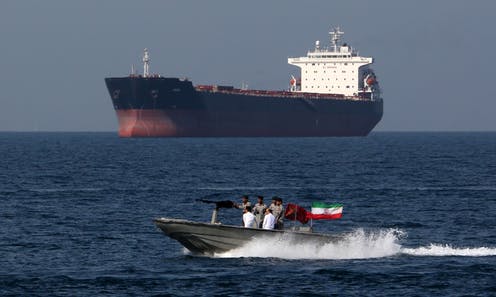
U.S. President Donald Trump announced that the United States and Iran could finalize a peace agreement as early as this weekend, potentially reopening the strategically important Strait of Hormuz and marking a major breakthrough in efforts to end the three-month conflict that has shaken global energy markets.
Speaking at the White House, Trump said negotiations had produced a “great settlement” and suggested the agreement could be signed in Europe within days, possibly by Vice President JD Vance on behalf of the United States. Trump also indicated that Iran’s leadership had signaled support for the proposed framework.
However, Iran has not yet confirmed a final agreement. Foreign Ministry spokesperson Esmaeil Baghaei stated that while much of the draft text has been completed, Tehran is still reviewing the proposal through its decision-making bodies and remains committed to protecting its key interests.
The potential U.S.-Iran deal comes after months of fighting that have resulted in thousands of deaths, primarily in Iran and Lebanon, while driving oil prices higher and disrupting international trade. A major focus of the negotiations is ensuring that Iran cannot develop or acquire nuclear weapons, a condition repeatedly emphasized by Trump. Iran continues to deny pursuing a nuclear weapons program.
Iran is reportedly seeking sanctions relief, access to frozen assets, and recognition of its authority over the Strait of Hormuz. The waterway is one of the world’s most critical shipping routes, handling roughly 20% of global energy supplies.
Despite ongoing diplomatic efforts, tensions remain high. Both sides have exchanged missile, drone, and air attacks in recent days, while incidents near the Strait of Hormuz continue to threaten regional stability.
Trump said several Middle Eastern nations, including Saudi Arabia, Qatar, and the United Arab Emirates, support the proposed agreement. Israel, however, clarified that it is not a direct party to the memorandum under discussion, although Prime Minister Benjamin Netanyahu welcomed efforts aimed at limiting Iran’s nuclear and missile capabilities.
Markets reacted positively to the developments, with oil prices declining and U.S. stocks rising as investors anticipated a possible end to the conflict and a reopening of critical global shipping lanes.







