


 Dollar Hits Two-Month High as Fed Rate Hike Bets Rise
  China’s ‘Lipstick King’ Says AI Won’t Replace Livestream Hosts
  Gold Drops Over 1% as Dollar, Treasury Yields Surge on Fed Rate Hike Bets
  RBI Uses $10 Billion Currency Swaps to Drain Excess Rupee Liquidity
  South Korea, US Discuss Warship Building Cooperation
  Trump, Xi Focus on Trade and AI at White House Summit
  Oil Prices Jump 3% as Houthi Attack Revives Supply Fears
  Asian Stocks Mixed Ahead of Trump-Xi Meeting
  US Stock Futures Fall as Treasury Yields Surge Ahead of Trump-Xi Summit
  US, China Extend Trade Truce to Jan. 10 Ahead of Trump-Xi Summit
  Asian Stocks Fall as Bond Yields Surge Ahead of Trump-Xi Summit
  Mexico-US Trade Talks Delayed to October as Tariff Negotiations Continue
  Russian Envoy Dmitriev Heads to US for Ukraine Talks
  Wall Street Ends Flat as Oil, Treasury Yields and Fed Jitters Rattle Markets
  Fed Unveils Stablecoin Rules Under GENIUS Act
  Oil Prices Ease as Iran Tensions Clash With Diplomacy Hopes


 Add as a preferred source on Google
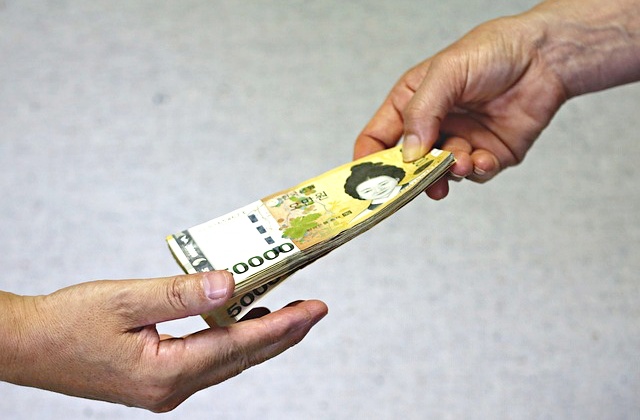
Asian currencies traded in a tight range on Friday as investors remained cautious ahead of the closely watched U.S. nonfarm payrolls report. Meanwhile, uncertainty over Iran negotiations and risks surrounding the Strait of Hormuz supported demand for the U.S. dollar as a safe-haven currency.
The U.S. Dollar Index gained 0.1% to 99.97 after advancing 0.3% in the previous session. The rebound followed a recent slide to seven-month lows, with higher U.S. Treasury yields also helping strengthen the greenback.
The Japanese yen was largely unchanged, with USD/JPY trading around 158.4 after climbing 0.4% a day earlier. The yen has surrendered part of the gains triggered by last week's rare coordinated currency intervention by Japan and the United States, their first joint action to support the yen since 1998.
Following the intervention, the Japanese currency strengthened to roughly 155 per dollar after previously weakening to nearly 164 in late July, a level close to a 40-year low.
Geopolitical developments also remained in focus. Reports indicated that an Iranian parliamentary committee was considering legislation aimed at preventing U.S. and Israeli vessels from passing through the Strait of Hormuz while introducing penalties for violations. Oil prices extended their recent gains during Asian trading, adding to concerns that higher energy costs could fuel inflation.
Attention is now turning to the July U.S. jobs report, which could provide important signals about the Federal Reserve's interest rate outlook. Recent economic indicators have delivered mixed signals, increasing the significance of payroll figures for expectations surrounding future Fed policy.
In China, the yuan was broadly stable despite stronger-than-expected July trade figures. China posted a larger trade surplus as overseas demand remained resilient. Exports increased 24% year-on-year, although growth slowed from June, while imports climbed 28%, indicating steady domestic demand.
Elsewhere in Asian forex markets, the South Korean won strengthened about 0.2% against the dollar, while the Singapore dollar gained roughly 0.1%. The Indian rupee weakened 0.2%, while the Australian dollar was largely unchanged as traders awaited fresh direction from U.S. economic data.







