


 North Korea Rejects Nuclear Test Warning, Calls Nuclear Status Irreversible
  Russian Missile and Drone Attack on Kyiv Kills Two, Damages Maternity Hospital
  Taiwan Thanks US for Support Ahead of Trump-Xi Summit
  EU Defence Build-Up Too Slow for 2030 Russia Readiness Goal
  Judge Orders Trump to Restore White House Access for CNN, MS NOW and Politico
  Saudi Arabia, Turkey and Pakistan Plan Urgent Defence Talks Over Houthi Attacks
  US Senate Rejects Iran War Powers Resolution in 50-49 Vote
  South Korea, US Discuss Warship Building Cooperation
  Yemen Violence Displaces 130,000 as Civilian Toll Rises
  Kremlin Says No Decision Yet on Putin-Trump December Summit
  Ukrainian Drone Attacks Hit Russian Regions, Injuring at Least 12
  Netanyahu Takes Aim at Mamdani as Israel Election Nears
  Xi Calls for Deeper U.S.-China AI Cooperation in Trump Talks
  What ‘Taiwan Independence’ Means as Xi Presses Trump on US Policy
  Sudan Rejects US Legitimacy Remarks, Defends Sovereignty
  Mexico-US Trade Talks Delayed to October as Tariff Negotiations Continue
  Trump, Xi Focus on Trade and AI at White House Summit


 Add as a preferred source on Google
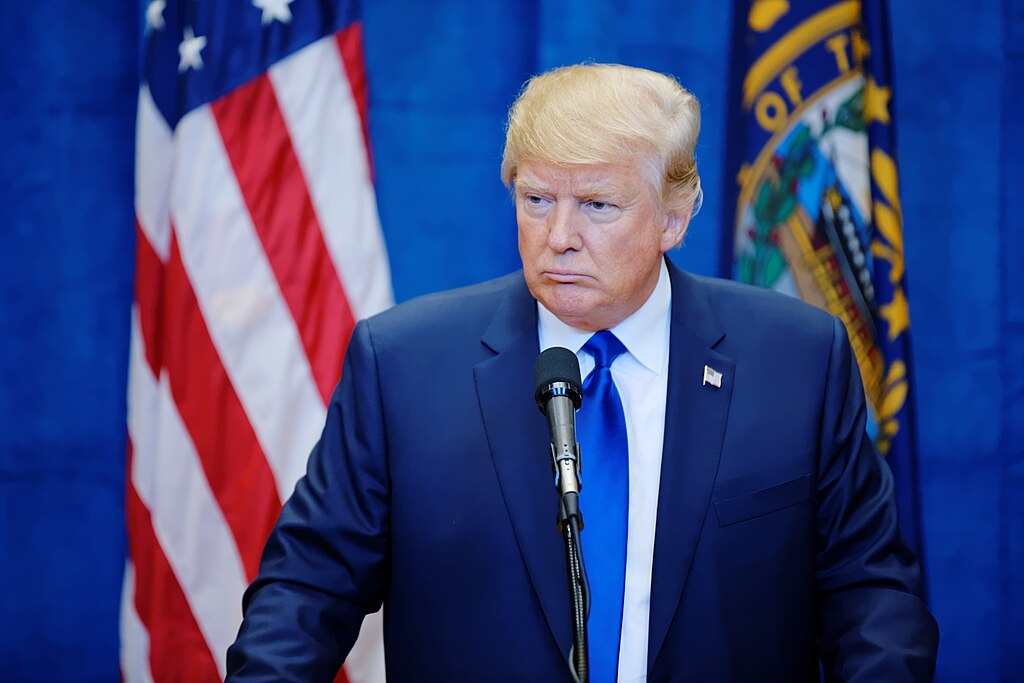
U.S. President Donald Trump suggested on Sunday that his administration may be open to potential discussions with Venezuelan President Nicolas Maduro, even as Washington intensifies pressure on Caracas through expanded military operations and new designations targeting alleged drug trafficking networks. Speaking to reporters in West Palm Beach, Florida, Trump said, “We may be having some discussions with Maduro, and we’ll see how that turns out. They would like to talk.” While he did not offer specifics, Trump emphasized that his administration would continue its efforts to curb drug trafficking, noting ongoing operations aimed at stopping narcotics from entering the United States.
The Venezuelan communications ministry did not immediately comment on Trump’s remarks. Earlier in the day, Secretary of State Marco Rubio announced that the State Department plans to label the alleged Venezuelan-linked organization Cartel de los Soles as a foreign terrorist organization. The designation would make it illegal for anyone in the United States to provide material support to the group. U.S. officials accuse Cartel de los Soles of collaborating with the criminal network Tren de Aragua to smuggle narcotics into the country. The Trump administration has long claimed that Maduro oversees the cartel, an allegation he continues to reject.
Tensions in the region have escalated as the Pentagon increases its military presence in the Caribbean, deploying warships, fighter jets, and even a nuclear submarine. The U.S. military also confirmed another strike on an alleged drug-smuggling vessel in the eastern Pacific on Saturday, killing three people. According to U.S. Southern Command, intelligence showed the boat was traveling along a known narcotics route in international waters.
The strike marks the 21st such attack since early September, with more than 80 fatalities reported. While the Trump administration argues the operations are legally justified, U.S. lawmakers, human rights groups, and allied nations continue to question the legality and broader implications of these escalating efforts.







