


 China Tightens Fentanyl Rules Ahead of Trump-Xi Summit
  Taiwan Vows to Advance US Arms Sales Ahead of Trump-Xi Meeting
  Trump Says U.S.-Iran Peace Deal Near After UN Talks
  Vietnam, US Trade Deal Could Be Signed Soon, To Lam Says
  Iran Vows ‘Crushing’ Response as US Talks Continue
  Macron, Trump Discuss Ukraine-Russia Energy Strike Moratorium
  Trump Meets Venezuela’s Delcy Rodriguez at UN Assembly
  Trump Says ‘Freedom’ Is Coming to Cuba
  Paramount-Warner Bros $110 Billion Deal Draws Antitrust Backlash
  Marco Rubio to Meet Russia’s Lavrov in New York
  Lula and Flavio Bolsonaro Tied in Brazil Runoff Poll
  UK, Mauritius Seek Diego Garcia Base Deal
  Canada Unveils Bill to Fast-Track Major Resource Projects
  Zelenskiy Warns Russia Preparing Major Attack on Ukraine
  Trump Board of Peace Unveils $2.45 Billion Gaza Recovery Plan
  Kremlin Says No Grounds Yet for Ukraine Peace Talks
  US, Denmark and Greenland Set to Sign Arctic Security Deal


 Add as a preferred source on Google
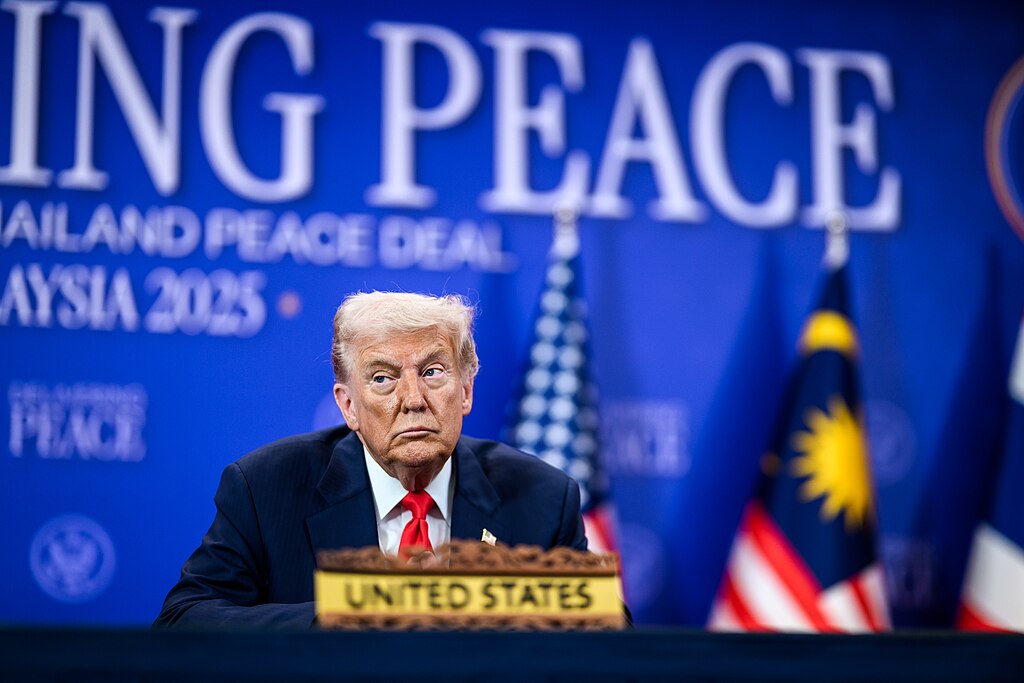
Hopes for a breakthrough in U.S.-Iran relations rose on Friday after U.S. President Donald Trump suggested that a peace agreement with Iran could be finalized as early as this weekend. If completed, the deal would mark a major diplomatic development aimed at ending the three-month conflict that has destabilized the Middle East, driven up global energy prices, and disrupted shipping through the Strait of Hormuz.
Speaking at the White House, Trump said a settlement had been reached in principle and indicated that a formal signing could take place in Europe within days. He added that Vice President JD Vance is expected to attend the signing ceremony. Trump also stated that he believed Iran’s leadership had approved the framework of the agreement.
Despite Trump’s optimism, Iran signaled that discussions are still ongoing. Iranian Foreign Ministry spokesperson Esmaeil Baghaei said much of the proposed agreement has been completed but emphasized that Tehran has not yet made a final decision. He reiterated that Iran would not compromise on key national interests during the negotiations.
News of a potential peace deal boosted investor confidence, with Asian and global stock markets rallying. Oil prices also fell to their lowest levels in two months as traders anticipated reduced geopolitical risks and improved stability in global energy markets.
However, tensions remain high in the region. Reports indicated that U.S. forces intercepted Iranian attack drones near the Strait of Hormuz after attempts to target commercial vessels. Iranian state media also reported military activity involving a tanker in the strategic waterway, highlighting the fragile security situation.
A central issue in the negotiations remains Iran’s nuclear program. Trump reiterated that any agreement must ensure Iran cannot develop or acquire nuclear weapons. Iran continues to deny seeking such capabilities. Tehran is reportedly pushing for sanctions relief, access to frozen assets, and recognition of its authority over the Strait of Hormuz.
The proposed agreement has also drawn attention from key regional players. Trump claimed that countries including Israel, Saudi Arabia, Qatar, and the United Arab Emirates support the framework. Israeli Prime Minister Benjamin Netanyahu welcomed efforts to secure an agreement that addresses Iran’s nuclear activities, missile production, and regional influence.
As negotiations continue, global markets and governments remain focused on whether the United States and Iran can successfully finalize a deal that could reshape regional security and ease economic pressures worldwide.







