


 Trump, Xi Visit US National Archives After White House Summit
  South Korea, US Discuss Warship Building Cooperation
  US Senate Rejects Iran War Powers Resolution in 50-49 Vote
  Netanyahu’s Brief US Trip Highlights Strains With Trump
  Yemen Violence Displaces 130,000 as Civilian Toll Rises
  Taiwan Thanks US for Support Ahead of Trump-Xi Summit
  Russian Missile and Drone Attack on Kyiv Kills Two, Damages Maternity Hospital
  Ghana Says Western Support Growing for Slave Trade Reparations
  US Backs Musk in Fight Against EU’s €120 Million X Fine
  Trump Asks Supreme Court to Restore Third-Country Deportations
  NATO Boosts Intelligence Sharing Amid Russia Hybrid Threats
  Xi Calls for Deeper U.S.-China AI Cooperation in Trump Talks
  Saudi Arabia, Turkey and Pakistan Plan Urgent Defence Talks Over Houthi Attacks
  North Korea Rejects Nuclear Test Warning, Calls Nuclear Status Irreversible
  Najib Razak Seeks Stay of 15-Year 1MDB Prison Sentence
  EU Defence Build-Up Too Slow for 2030 Russia Readiness Goal
  Ukrainian Drone Attacks Hit Russian Regions, Injuring at Least 12


 Add as a preferred source on Google
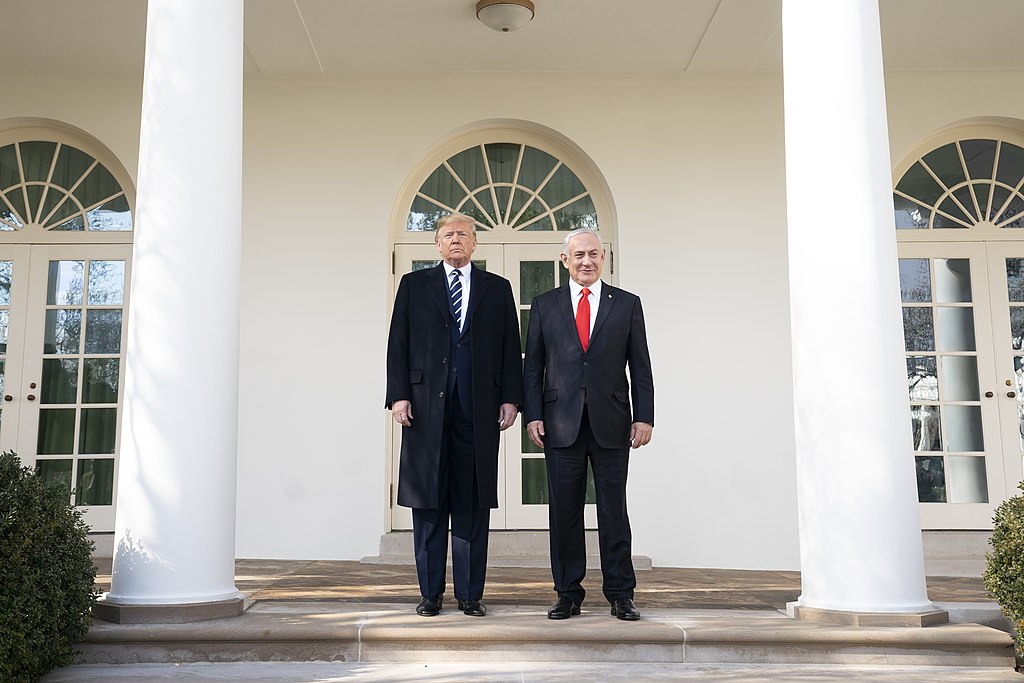
U.S. President Donald Trump has invited Israeli Prime Minister Benjamin Netanyahu to the White House in the near future, signaling continued coordination between Washington and Jerusalem amid shifting Middle East dynamics. The meeting, which would be Netanyahu’s fifth visit since Trump returned to office in January, comes as both leaders navigate complex issues involving Gaza, Syria, and broader regional security.
According to the Israeli prime minister’s office, Trump and Netanyahu held a call focused on disarming Hamas and demilitarizing Gaza. Their discussion follows Trump’s September initiative outlining a plan to end the Gaza war, which helped lead to the current ceasefire between Israel and Hamas in place since October. While the two leaders have often displayed a close partnership, sources in both countries note that Trump has occasionally expressed frustration with Netanyahu’s political decisions.
Earlier on Monday, Trump emphasized the importance of Israel maintaining a “strong and true dialogue” with neighboring Syria. He said such engagement was crucial to ensuring that “nothing takes place that will interfere with Syria’s evolution into a prosperous state.” The Trump administration is working to broker a non-aggression pact between Israel and Syria, despite the countries’ long-standing hostilities and Syria’s lack of formal recognition of Israel. Israel continues to occupy Syrian territory gained in December 2024, as well as the Golan Heights captured in 1967 and later annexed—an action recognized by the U.S. but widely rejected internationally.
Trump has voiced support for Syria’s new leader, Ahmed al-Sharaa, while Israel remains wary due to his past ties to Islamist militancy. Tensions rose further after an Israeli strike in southern Syria on Friday killed 13 Syrians, with Israel stating it targeted a Lebanese Islamist militant group.
The call between Trump and Netanyahu also followed Netanyahu’s request for a presidential pardon in his long-running corruption case. Trump has publicly backed the idea, recently urging Israeli President Isaac Herzog to consider it, though Netanyahu’s official readout of the call omitted any mention of the matter. Israeli opposition leaders have condemned the pardon request, calling instead for Netanyahu’s resignation.







