


 Trump, Xi Focus on Trade and AI at White House Summit
  Xi Calls for Deeper U.S.-China AI Cooperation in Trump Talks
  Pope Leo Backs Press Freedom After White House Media Ban
  Pezeshkian Says US Must Choose When Iran War Ends
  EU Agrees €6.6 Billion Military Aid Funding for Ukraine
  US Supreme Court Revives Trump Administration Voter Citizenship Database
  France Defends Netanyahu Airspace Clearance Despite ICC Warrant
  Najib Razak Seeks Stay of 15-Year 1MDB Prison Sentence
  US Comfortable With Canada Trade Standoff as Import Bans Loom
  North Korea Warns South Korea Over US-Led Defense Role
  North Korea Rejects Nuclear Test Warning, Calls Nuclear Status Irreversible
  Yemen Violence Displaces 130,000 as Civilian Toll Rises
  Evan Gershkovich Says FSB Set Trap for 2023 Russia Arrest
  What ‘Taiwan Independence’ Means as Xi Presses Trump on US Policy
  Netanyahu Defends Israel at UN as Delegates Stage Walkout
  NATO Boosts Intelligence Sharing Amid Russia Hybrid Threats


 Add as a preferred source on Google
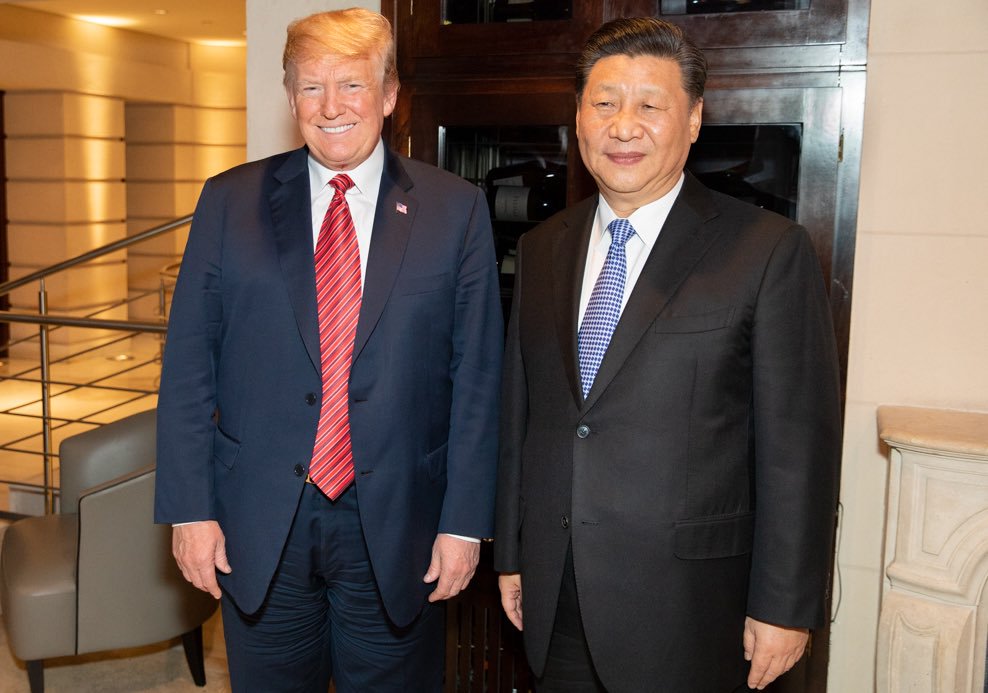
U.S. President Donald Trump expressed optimism about achieving a fair trade agreement with Chinese President Xi Jinping while downplaying tensions over Taiwan. When asked if the U.S. might reconsider its stance on Taiwan independence to secure a deal, Trump said discussions would cover “a lot of things,” without elaborating further.
Taiwan, historically known as Formosa, was first inhabited by indigenous peoples before coming under Dutch and Spanish control in the 1600s. It later became part of China’s Qing dynasty and, following the 1895 war, a Japanese colony. After Japan’s defeat in World War II, Taiwan was handed to the Republic of China (ROC). When Mao Zedong’s communists won the Chinese civil war in 1949, the ROC government fled to Taiwan, while the People’s Republic of China (PRC) was founded on the mainland.
Today, Taiwan functions as a self-governing democracy under the name Republic of China, with its own military, passport, and currency—enjoying de facto independence despite limited formal recognition. Only a handful of countries maintain official ties with Taipei, while most nations, including the U.S., engage informally under the “One China” policy. Washington remains committed by law to providing Taiwan with defensive support.
Beijing insists that Taiwan is part of China, citing the 1971 United Nations Resolution 2758, though Taipei argues the resolution never addressed Taiwan’s sovereignty. China has also passed the 2005 Anti-Secession Law, allowing military force if Taiwan formally declares independence or peaceful reunification fails.
President Lai Ching-te maintains that Taiwan is already an independent nation, asserting that the Republic of China and People’s Republic of China “are not subordinate to each other.” Despite China labeling him a separatist, most Taiwanese favor maintaining the current status quo rather than declaring formal independence.







