


 Trump, Xi Visit US National Archives After White House Summit
  EU Defence Build-Up Too Slow for 2030 Russia Readiness Goal
  US Stock Futures Fall as Treasury Yields Surge Ahead of Trump-Xi Summit
  Xi Calls for Deeper U.S.-China AI Cooperation in Trump Talks
  Oil Prices Jump 3% as Houthi Attack Revives Supply Fears
  Asian Stocks Fall as Surging Bond Yields Rattle Markets
  U.S. Treasury Yields Surge as 30-Year Hits 22-Year High
  Gold Prices Fall as Treasury Yields Rise on Fed Rate Hike Bets
  Netanyahu’s Brief US Trip Highlights Strains With Trump
  Najib Razak Seeks Stay of 15-Year 1MDB Prison Sentence
  Pezeshkian Says US Must Choose When Iran War Ends
  Netanyahu Defends Israel at UN as Delegates Stage Walkout
  US Backs Musk in Fight Against EU’s €120 Million X Fine
  Asian Stocks Fall as Bond Yields Surge Ahead of Trump-Xi Summit
  Putin Says Ukraine Peace Proposals Remain on Table
  Abbas Reaffirms November 28 Palestinian Elections
  Soybean Futures Slip as Traders Await Trump-Xi Trade Signals


 Add as a preferred source on Google
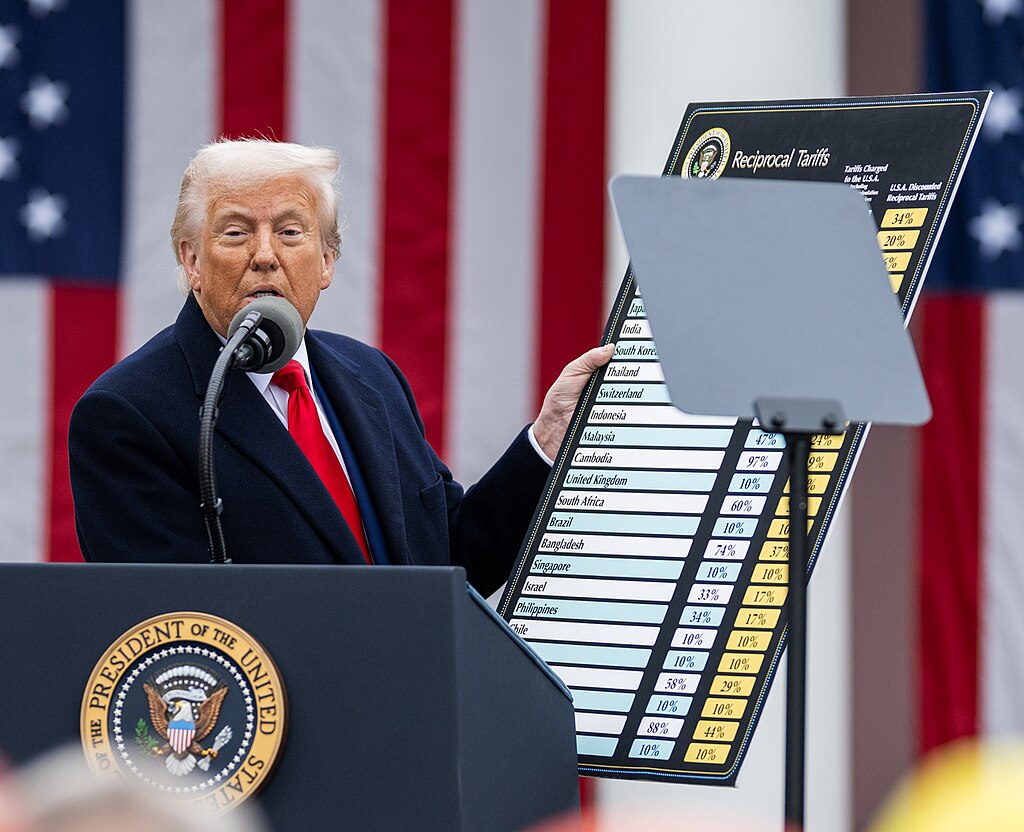
U.S. President Donald Trump has begun a crucial five-day trip to Asia, aiming to restore trade relations and secure key deals in a region unsettled by his aggressive trade policies. The tour, which includes stops in Malaysia, Japan, and South Korea, marks Trump’s longest overseas trip since taking office. His agenda focuses on trade, critical minerals, and ceasefire agreements ahead of a highly anticipated—though uncertain—meeting with Chinese President Xi Jinping.
The White House confirmed the trip on Thursday, noting that the Trump-Xi meeting in Busan remains tentative. Both sides are tempering expectations, with discussions centered on managing disputes rather than achieving a breakthrough. Potential outcomes could involve limited tariff relief, continued current rates, or renewed Chinese purchases of U.S. soybeans and Boeing aircraft. Washington may also allow more semiconductor exports to Beijing, while China could ease restrictions on rare earth magnets. However, officials admit no deal may materialize.
In Kuala Lumpur, Trump may witness a ceasefire agreement between Thailand and Cambodia before traveling to Japan to meet Prime Minister Sanae Takaichi. Japan is expected to reaffirm plans to boost military spending and invest $550 billion in the U.S. Trump will conclude his trip in South Korea, where he hopes to stabilize trade relations strained by investment demands and worker deportation issues.
The president is also expected to address sensitive topics, including Taiwan, Russia, and the imprisonment of Hong Kong media tycoon Jimmy Lai. Meanwhile, prospects of reviving trade talks with Canadian Prime Minister Mark Carney remain uncertain.
Trump’s Asia visit underscores his bid to reinforce U.S. influence, secure economic leverage, and maintain fragile ceasefires amid ongoing global conflicts and escalating trade tensions with China.







