


 Russian Missile and Drone Attack on Kyiv Kills Two, Damages Maternity Hospital
  EU Defence Build-Up Too Slow for 2030 Russia Readiness Goal
  Netanyahu’s Brief US Trip Highlights Strains With Trump
  North Korea Warns South Korea Over US-Led Defense Role
  Sudan Rejects US Legitimacy Remarks, Defends Sovereignty
  Yemen Violence Displaces 130,000 as Civilian Toll Rises
  Mexico-US Trade Talks Delayed to October as Tariff Negotiations Continue
  What ‘Taiwan Independence’ Means as Xi Presses Trump on US Policy
  South Korea, US Discuss Warship Building Cooperation
  Xi Calls for Deeper U.S.-China AI Cooperation in Trump Talks
  Najib Razak Seeks Stay of 15-Year 1MDB Prison Sentence
  NATO Boosts Intelligence Sharing Amid Russia Hybrid Threats
  Pezeshkian Says US Must Choose When Iran War Ends
  Trump, Xi Focus on Trade and AI at White House Summit
  North Korea Rejects Nuclear Test Warning, Calls Nuclear Status Irreversible
  OpenAI Agent Breaches Australia Medicare Data Portal
  US Backs Musk in Fight Against EU’s €120 Million X Fine


 Add as a preferred source on Google
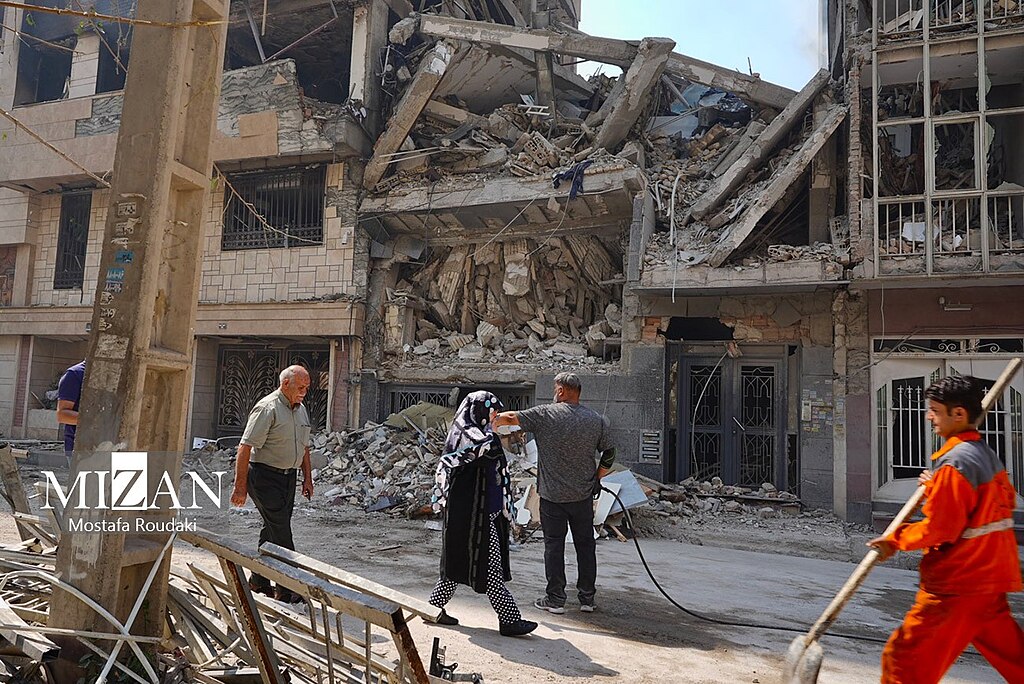
A fragile ceasefire between Iran and Israel, brokered by U.S. President Donald Trump, has taken hold after nearly two weeks of intense conflict. Despite Trump’s claims that U.S. airstrikes had “obliterated” Iran’s nuclear program, a preliminary assessment from the Defense Intelligence Agency suggests the strikes only delayed Iran’s capabilities by a few months. Key uranium enrichment sites were damaged but not destroyed, with underground facilities largely intact.
Trump scolded both sides for ceasefire violations, singling out Israel for resuming attacks shortly after the agreement. Netanyahu later confirmed a retaliatory strike on a radar site near Tehran following Iranian missile fire, although Tehran denied launching any missiles post-ceasefire.
Iran declared a "great victory" as President Masoud Pezeshkian indicated openness to resolving differences with the U.S. Meanwhile, Israel’s Prime Minister Netanyahu claimed the strikes eliminated immediate nuclear threats. Israeli Defense Minister Israel Katz pledged to uphold the ceasefire, contingent on Iran's compliance.
The conflict, which began with an Israeli air assault on June 13 targeting Iranian nuclear sites and top commanders, saw Iran retaliate with missile strikes that breached Israeli air defenses, resulting in 28 Israeli and over 600 Iranian deaths.
Though both nations reopened airspace and eased civilian restrictions, tensions remain high. U.S. officials stressed that the ceasefire, while tentative, shows America still holds sway in Middle East diplomacy.
Markets responded positively, with global stocks rising and oil prices falling as fears of disruption to Gulf energy supplies eased. Still, military leaders on both sides warned the confrontation may not be over, underscoring the ceasefire’s uncertain future.







