


 Russian Missile and Drone Attack on Kyiv Kills Two, Damages Maternity Hospital
  Synthetic data could ease people’s concerns about privacy breaches. But who gets to create it?
  Netanyahu’s Brief US Trip Highlights Strains With Trump
  US Invites Putin to Miami G20, Opening Door to Trump Summit
  Europe Warns Russia Is Escalating Hybrid Attacks Across NATO
  Mexico-US Trade Talks Delayed to October as Tariff Negotiations Continue
  US Bans Canadian Alcohol, Motorcycles as Trade War Escalates
  Netanyahu Defends Israel at UN as Delegates Stage Walkout
  Gaza Faces Evacuation Crisis as War-Damaged Buildings Risk Collapse
  US Northeast Airports Resume Operations After Telecom Outage Disrupts Thousands of Flights
  South Korea, US Discuss Warship Building Cooperation
  US Officials Split Over Response to Israeli West Bank Settlements
  Abbas Reaffirms November 28 Palestinian Elections
  Who should own the knowledge that underpins AI technology?
  North Korea Rejects Nuclear Test Warning, Calls Nuclear Status Irreversible
  Trump Administration Plans Faster FDA Reviews for Smoke-Free Nicotine Products
  US Senate Rejects Iran War Powers Resolution in 50-49 Vote


 Add as a preferred source on Google
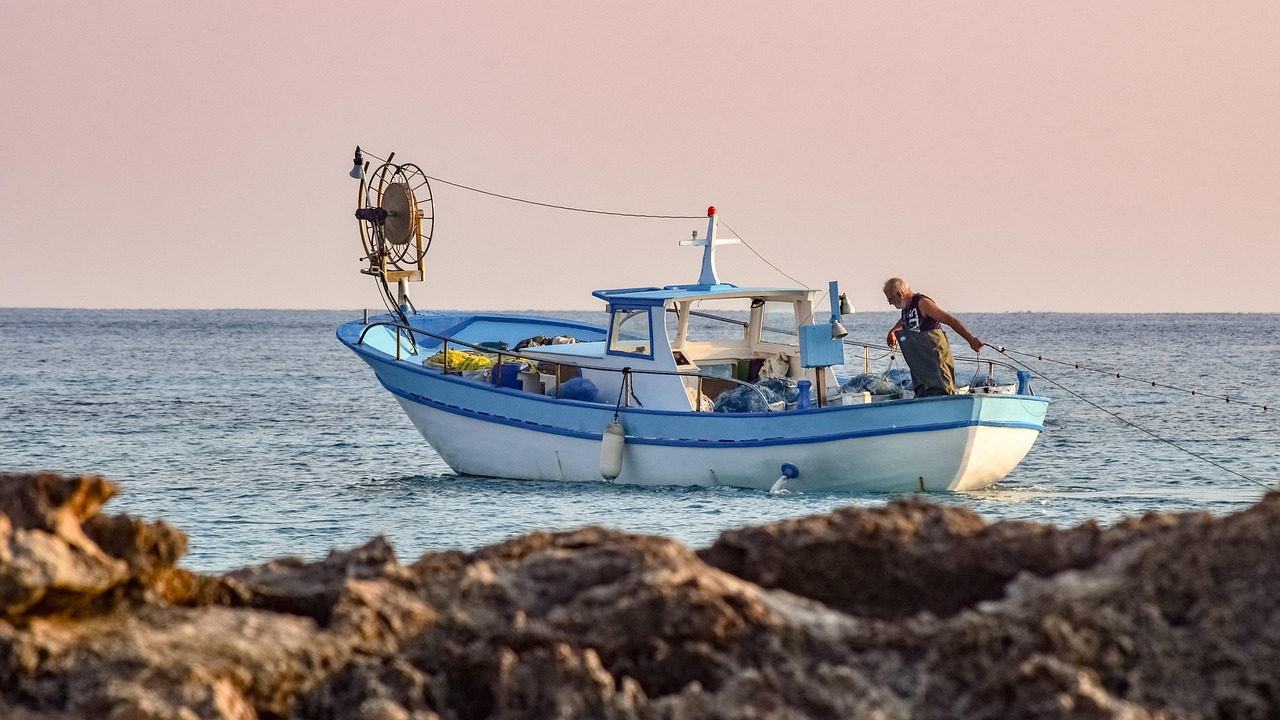
U.S. President Donald Trump has signed an executive order aimed at expanding domestic seafood production by loosening federal regulations and reopening protected marine areas to commercial fishing, according to a White House announcement.
The move is part of Trump’s ongoing push to reduce what he describes as burdensome regulations on American businesses. The order instructs the Commerce Department to streamline rules that impact the fishing industry, with a focus on increasing U.S. seafood exports and curbing reliance on imports.
In the official statement, the White House emphasized that the order “strengthens the U.S. fishing industry by reducing regulatory burdens, combating unfair foreign trade practices, and enhancing domestic seafood production and exports.”
Despite having jurisdiction over more than four million square miles of ocean, the U.S. imports nearly 90% of its seafood—resulting in a trade deficit of over $20 billion, the administration noted. Trump also issued a separate proclamation opening up 400,000 acres of the Pacific Remote Islands Marine National Monument—located south and west of Hawaii—to commercial fishing for the first time in years.
The executive order has drawn attention to the $320 billion American fishing industry, which depends heavily on oversight by the National Oceanic and Atmospheric Administration (NOAA). NOAA’s National Marine Fisheries Service plays a key role in regulating 45 fisheries across U.S. waters by setting quotas, seasons, and sustainability plans under a 1976 law. These decisions are made in consultation with scientists and local fishing communities.
While the order is expected to boost economic activity and seafood exports, critics warn it may undermine environmental protections and scientific research funded by NOAA, especially as recent budget cuts threaten key marine data collection programs.







