


 Yemen Violence Displaces 130,000 as Civilian Toll Rises
  Saudi Arabia, Turkey and Pakistan Plan Urgent Defence Talks Over Houthi Attacks
  US Senate Rejects Iran War Powers Resolution in 50-49 Vote
  Pezeshkian Says US Must Choose When Iran War Ends
  Trump Asks Supreme Court to Restore Third-Country Deportations
  Sudan Rejects US Legitimacy Remarks, Defends Sovereignty
  Kremlin Says No Decision Yet on Putin-Trump December Summit
  North Korea Rejects Nuclear Test Warning, Calls Nuclear Status Irreversible
  What ‘Taiwan Independence’ Means as Xi Presses Trump on US Policy
  NATO Boosts Intelligence Sharing Amid Russia Hybrid Threats
  Mexico-US Trade Talks Delayed to October as Tariff Negotiations Continue
  France Defends Netanyahu Airspace Clearance Despite ICC Warrant
  Xi Calls for Deeper U.S.-China AI Cooperation in Trump Talks
  OpenAI Agent Breaches Australia Medicare Data Portal
  Netanyahu Defends Israel at UN as Delegates Stage Walkout
  South Korea, US Discuss Warship Building Cooperation
  Trump, Xi Visit US National Archives After White House Summit


 Add as a preferred source on Google
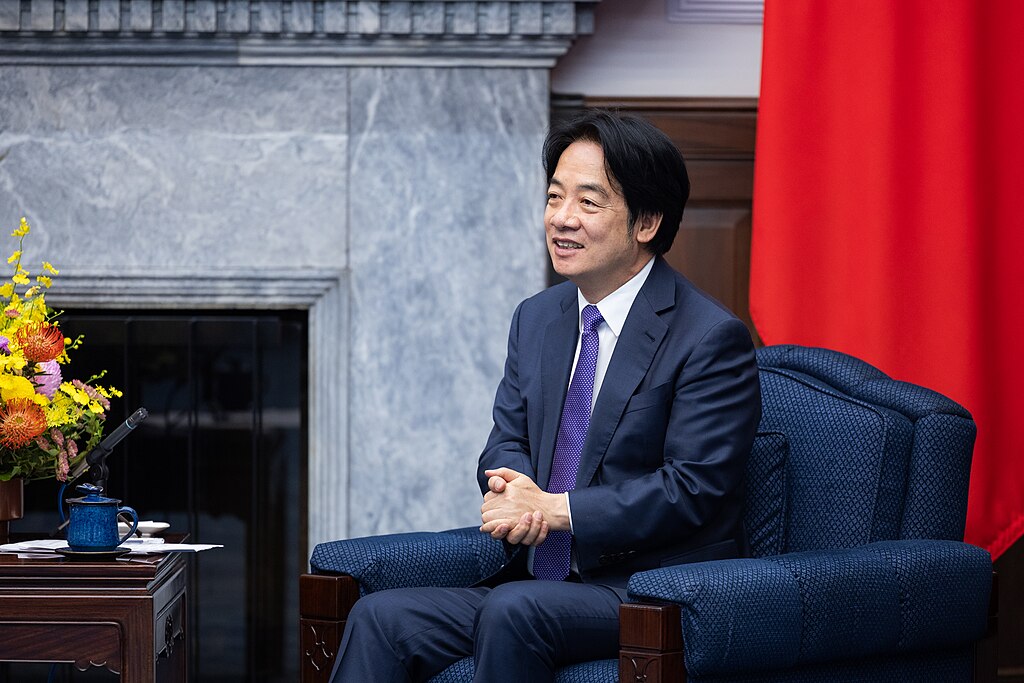
Taiwan is set to introduce a landmark $40 billion supplementary defence budget, signaling a strengthened commitment to defending its sovereignty as tensions with China continue to rise. In an op-ed for the Washington Post, President Lai Ching-te emphasized that the expanded budget will fund significant new U.S. arms acquisitions and enhance the island’s asymmetrical warfare capabilities, a core strategy aimed at deterring potential military action from Beijing.
China, which claims Taiwan as its own territory, has intensified military and political pressure over the last five years. Despite Beijing’s assertive stance, Taiwan has repeatedly rejected China’s claims, reinforcing the need for stronger defence investments. The United States, Taiwan’s most important security partner, has also urged Taipei to increase its defence spending, mirroring Washington’s push for greater burden-sharing among global allies.
Lai noted that the new funding package aims to “insert greater costs and uncertainties into Beijing’s decision-making” regarding the use of force. The president has previously stated that he hopes to raise defence spending to 5% of GDP by 2030, a move aligned with Washington’s expectations for regional security partners.
For 2026, Taiwan’s proposed defence budget will reach T$949.5 billion ($30.25 billion)—equivalent to 3.32% of GDP, surpassing the 3% threshold for the first time since 2009. This increase highlights Taipei’s commitment to strengthening deterrence amid escalating tensions.
Although U.S. law requires Washington to provide Taiwan with the means to defend itself, the current U.S. administration under President Donald Trump has so far approved only one new arms sale: a $330 million package for aircraft and fighter jet parts. Lai expressed appreciation for U.S. support, praising the administration’s focus on global stability through “peace through strength.”
Despite strained relations, Lai reiterated Taiwan’s willingness to engage in dialogue with China—while maintaining that democratic values and freedom are non-negotiable. He is expected to elaborate on the defence package at a press conference alongside Defence Minister Wellington Koo following a high-level security meeting.







