


 Trump Warns China Against Supporting Iran in Xi Talks
  Najib Razak Seeks Stay of 15-Year 1MDB Prison Sentence
  Trump, Xi Visit US National Archives After White House Summit
  North Korea Rejects Nuclear Test Warning, Calls Nuclear Status Irreversible
  Xi Calls for Deeper U.S.-China AI Cooperation in Trump Talks
  US Backs Musk in Fight Against EU’s €120 Million X Fine
  Netanyahu Defends Israel at UN as Delegates Stage Walkout
  EU Agrees €6.6 Billion Military Aid Funding for Ukraine
  Putin Says Ukraine Peace Proposals Remain on Table
  US Supreme Court Revives Trump Administration Voter Citizenship Database
  Pope Leo Warns UN, Multilateral Groups Face Crisis
  Pope Leo Backs Press Freedom After White House Media Ban
  Iran Rejects Nuclear Concessions in Hormuz Deal
  Netanyahu’s Brief US Trip Highlights Strains With Trump
  Saudi Arabia Seeks Military Support as Houthi Attacks Escalate
  US Comfortable With Canada Trade Standoff as Import Bans Loom


 Add as a preferred source on Google
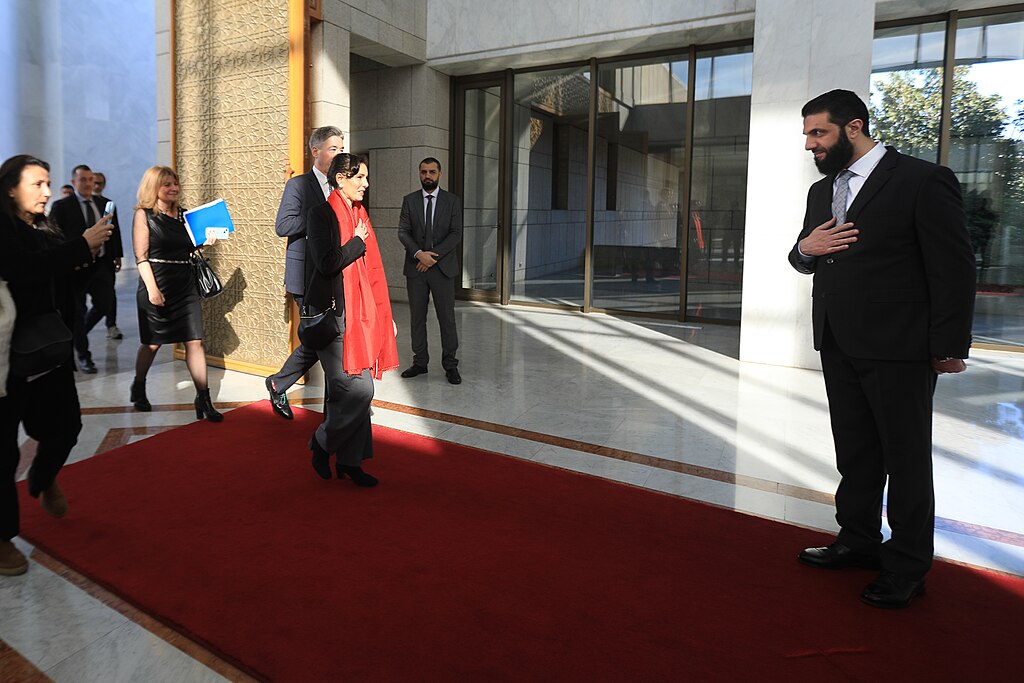
Syria is set to hold an indirect parliamentary election on Sunday, marking a pivotal step in the country’s political transition following the ouster of Bashar al-Assad. The vote, organized by the new Islamist-led government under President Ahmed al-Sharaa, comes as the nation struggles to rebuild trust after more than a decade of war and sectarian conflict.
Around 6,000 electors from regional colleges will cast their ballots beginning at 9:00 a.m. local time (0600 GMT), with polls closing at 5:00 p.m. (1400 GMT). The election will fill two-thirds of the 210 parliamentary seats, while the remaining 70 will be appointed directly by Sharaa. Results are expected by Sunday night, though the new parliament will only be formalized once his appointees are named.
The electoral committee, formed by Sharaa, has approved 1,570 candidates who presented their platforms through debates and seminars. However, the campaign period saw little visible promotion—Reuters reporters noted an absence of posters or billboards in major cities, signaling subdued public engagement.
Authorities defend the indirect voting system, citing the absence of reliable population data and the displacement of millions of Syrians. Voting was postponed in three provinces dominated by minority groups for “security and political” reasons, leaving 19 seats vacant.
Critics argue that the process lacks inclusivity and transparency, calling it a managed attempt to legitimize Sharaa’s rule. Analysts note that his choice of appointed lawmakers will define the credibility of the new legislature. Appointing women and minority figures could boost legitimacy, but favoring loyalists may secure unchallenged authority.
This election represents both a test of Syria’s democratic promise and a measure of Sharaa’s ability to unify a fractured nation under a post-Assad order.







