


 European Stocks Fall as Bond Yields and Geopolitical Risks Weigh
  Oil Prices Surge as U.S.-Iran Diplomacy Hopes Fade
  Japanese Bank Stocks Surge as Bond Yields Fuel Rate Hike Bets
  Asian Currencies Mixed as Dollar Holds Near Two-Month High
  Fed Unveils Stablecoin Rules Under GENIUS Act
  RBI Uses $10 Billion Currency Swaps to Drain Excess Rupee Liquidity
  Asian Stocks Fall as Surging Bond Yields Rattle Markets
  China’s ‘Lipstick King’ Says AI Won’t Replace Livestream Hosts
  Dollar Holds Near Two-Month High as Yen Approaches 160
  Trump, Xi Focus on Trade and AI at White House Summit
  Oil Prices Ease as Iran Tensions Clash With Diplomacy Hopes
  Russian Envoy Dmitriev Heads to US for Ukraine Talks
  US 10-Year Treasury Yield at 6% Emerges as New Market Risk Threshold
  Wall Street Ends Flat as Oil, Treasury Yields and Fed Jitters Rattle Markets
  US Stock Futures Fall as Treasury Yields Surge Ahead of Trump-Xi Summit
  Gold Prices Fall as Treasury Yields Rise on Fed Rate Hike Bets
  Australia Unemployment Hits Five-Year High Despite Strong Jobs Growth


 Add as a preferred source on Google
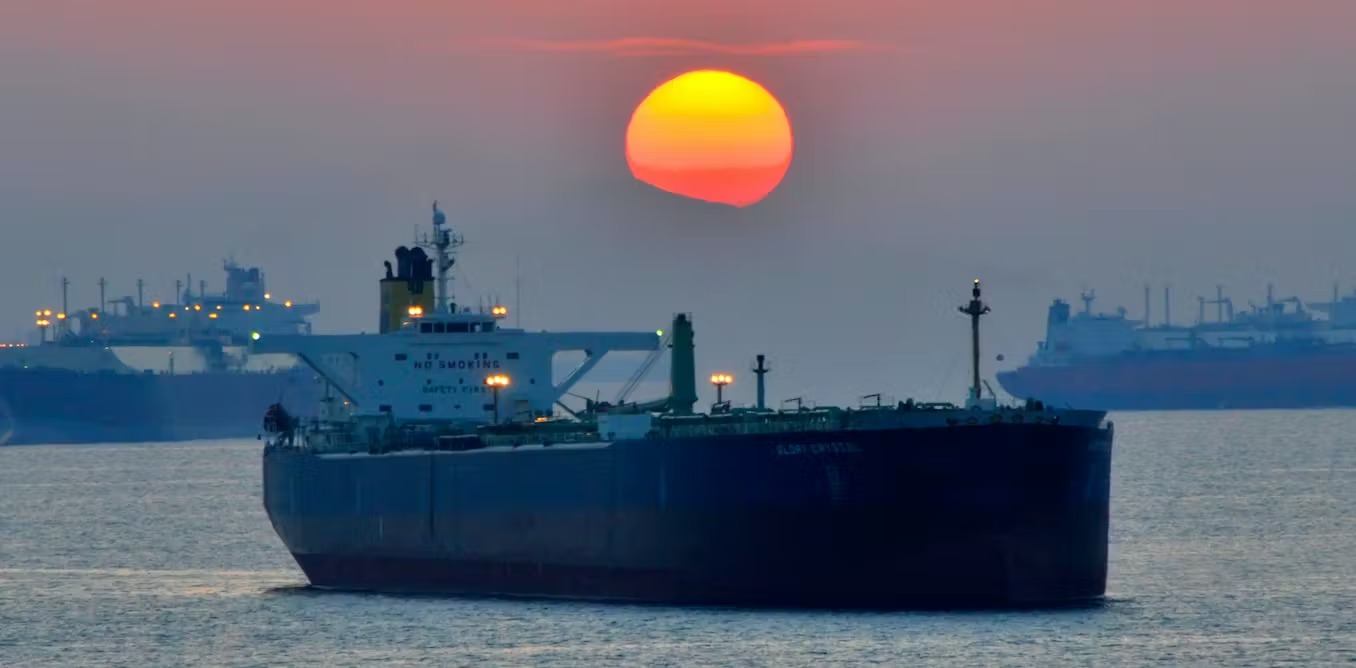
Global energy markets remain on edge as the U.S. blockade on Iranian ports continues to disrupt shipping through the Strait of Hormuz, a critical chokepoint that normally handles roughly one-fifth of worldwide oil and gas exports. Since the U.S.-Israeli conflict with Iran began on February 28, the strait has been largely closed — yet a growing number of non-Iranian tankers have successfully navigated through, signaling cautious efforts to restore supply chains.
Several Asian nations have managed to move crude shipments through the passage under carefully coordinated arrangements. Vietnam is expecting Iraqi Basra crude aboard the Malta-flagged VLCC Agios Fanourios I, which entered the Gulf on April 15 after an earlier failed attempt. Malaysia secured passage for at least seven linked vessels, including the Liberia-flagged Serifos carrying Saudi and UAE crude, and the Petronas-chartered Ocean Thunder loaded with Iraqi oil.
China has also kept its energy imports moving, with multiple VLCCs chartered by Sinopec's trading arm Unipec passing through in early April, carrying Iraqi and Saudi crude bound for Chinese and Myanmar ports. Beijing confirmed in late March that three Chinese vessels had safely transited the strait through diplomatic coordination.
India has received shipments via several tankers offloading Saudi and Abu Dhabi crude at ports including Mumbai, Paradip, and Sikka. Additionally, multiple LPG tankers carrying approximately 94,000 metric tons of cooking gas completed safe passages for Indian consumers. Pakistan also sent tankers into the Gulf to load crude from the UAE and Kuwait, while Thailand confirmed one of its tankers cleared the strait without paying any blockade fee following direct negotiations with Iran.
Despite the ongoing conflict, these transits highlight how key Asian economies are working through diplomatic and logistical channels to protect their energy security amid one of the most volatile periods in global oil shipping in recent memory.







