


 Trump, Xi Focus on Trade and AI at White House Summit
  Kremlin Says No Decision Yet on Putin-Trump December Summit
  US Officials Split Over Response to Israeli West Bank Settlements
  Mexico-US Trade Talks Delayed to October as Tariff Negotiations Continue
  Australia Unemployment Hits Five-Year High Despite Strong Jobs Growth
  Wall Street Falls as Treasury Yields Surge, Oil Rebounds on Iran Tensions
  EU Defence Build-Up Too Slow for 2030 Russia Readiness Goal
  Asian Stocks Fall as Bond Yields Surge Ahead of Trump-Xi Summit
  Gold Drops Over 1% as Dollar, Treasury Yields Surge on Fed Rate Hike Bets
  South Korea, US Discuss Warship Building Cooperation
  Russian Envoy Dmitriev Heads to US for Ukraine Talks
  US 10-Year Treasury Yield at 6% Emerges as New Market Risk Threshold
  Oil Prices Jump 3% as Houthi Attack Revives Supply Fears
  North Korea Rejects Nuclear Test Warning, Calls Nuclear Status Irreversible
  RBI Uses $10 Billion Currency Swaps to Drain Excess Rupee Liquidity
  Judge Orders Trump to Restore White House Access for CNN, MS NOW and Politico


 Add as a preferred source on Google
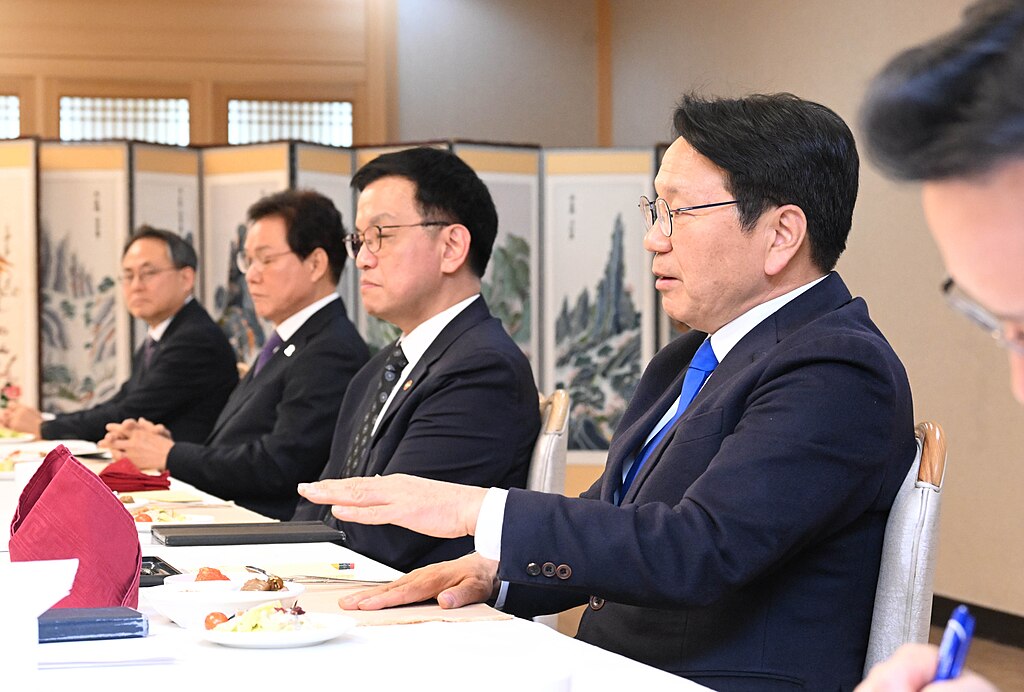
South Korea is preparing emergency support measures for industries most affected by a new 25% U.S. import tariff, set to take effect this Wednesday under President Donald Trump’s latest trade policy. Finance Minister Choi Sang-mok emphasized the need to assess macroeconomic impacts and respond swiftly to urgent sector needs, particularly the auto industry.
The tariff, announced by Trump on April 2, targets key U.S. trading partners, including South Korea. In response, South Korean officials are strategizing ahead of Trade Minister Cheong In-kyo’s visit to Washington, which will mark the fifth high-level outreach by the Ministry of Industry, Trade and Energy since Trump took office. Cheong previously visited in March, following other senior officials seeking tariff exemptions.
South Korea’s acting President Han Duck-soo stated last week that the government would finalize aid measures for the automotive sector and push for negotiations with the U.S. administration. Automobiles accounted for 27% of South Korea’s record $127.8 billion in exports to the U.S. in 2024, making the sector especially vulnerable.
Despite not engaging directly with South Korea’s leadership, Trump invited Hyundai Motor Group Chairman Euisun Chung to the White House following the automaker’s pledge to invest $21 billion in the U.S.
Meanwhile, South Korea’s financial regulator urged state-run banks and institutions to ensure liquidity support for exporters and contractors hit by the tariffs. As the benchmark KOSPI index plunged to a 17-month low amid global risk aversion, authorities announced plans for a 100 trillion won ($68 billion) market stabilization package to counter potential financial fallout.
These rapid policy responses reflect Seoul’s urgent efforts to shield its economy from escalating trade tensions and safeguard key export sectors.







