


 U.S. Dollar Hits Two-Month High as Oil, Treasury Yields Surge
  Japanese Bank Stocks Surge as Bond Yields Fuel Rate Hike Bets
  Dollar Holds Near Two-Month High as Yen Approaches 160
  Oil Prices Jump 3% as Houthi Attack Revives Supply Fears
  Trump, Xi Focus on Trade and AI at White House Summit
  European Stocks Fall as Bond Yields and Geopolitical Risks Weigh
  RBI Uses $10 Billion Currency Swaps to Drain Excess Rupee Liquidity
  Oil Prices Fall on U.S.-Iran Hormuz Deal Hopes
  Dollar Falls as Oil Eases, Yen Jumps on Intervention Signals
  Asian Currencies Mixed as Dollar Holds Near Two-Month High
  Soybean Futures Slip as Traders Await Trump-Xi Trade Signals
  Asian Stocks Fall as Bond Yields Surge Ahead of Trump-Xi Summit
  Gold Holds Near $4,275 as Rising Treasury Yields Fuel Fed Rate Hike Bets
  Mexico-US Trade Talks Delayed to October as Tariff Negotiations Continue
  U.S. Treasury Yields Surge as 30-Year Hits 22-Year High
  China’s ‘Lipstick King’ Says AI Won’t Replace Livestream Hosts
  Canadian Dollar Faces Pressure as Fed-BoC Policy Gap Widens


 Add as a preferred source on Google
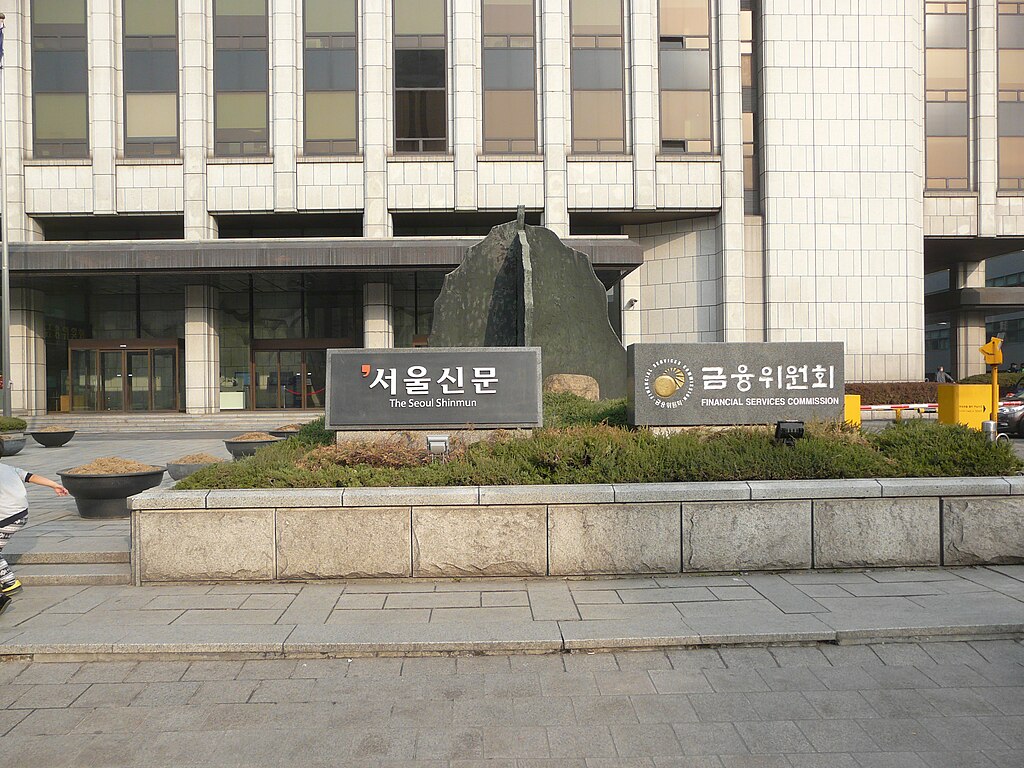
South Korea has decided to extend its bond market stabilization programs through 2026, signaling a proactive effort to safeguard financial stability amid growing uncertainty in both domestic and global markets. The announcement was made on Monday by the Financial Services Commission (FSC), which cited risks stemming from shifts in monetary policy, increased government bond issuance, and heightened market volatility.
According to the FSC, bond and short-term money market stabilization funds totaling 37.6 trillion won (approximately $25.5 billion) will remain in place through next year. In addition, real estate project financing support programs worth 60.9 trillion won will also be extended, underscoring the government’s commitment to maintaining liquidity and preventing disruptions in key financial sectors. These measures were initially introduced to calm markets during periods of stress and are now being prolonged as precautionary tools.
The regulator noted that domestic financial markets are facing rising caution, driven by increasing bond yields and growing volatility in foreign exchange markets. As a result, the FSC emphasized that it stands ready to deploy additional market-stabilizing measures pre-emptively if conditions worsen. This approach reflects concerns about potential spillover effects from global monetary tightening and policy adjustments in major economies.
Meanwhile, the Bank of Korea has maintained a cautious stance on monetary policy. Last month, the central bank kept interest rates unchanged for the fourth consecutive meeting. While economic conditions might otherwise allow for further easing, a weakening Korean won has constrained the central bank’s flexibility. Officials have signaled that the rate-cutting cycle may be approaching its end, adding another layer of uncertainty for investors and policymakers.
By extending bond market stabilization programs and signaling readiness to intervene if needed, South Korea aims to bolster investor confidence, manage liquidity risks, and ensure orderly market conditions. These measures highlight the government’s focus on financial resilience at a time when global economic headwinds and domestic market pressures remain elevated.







