


 Oil Prices Ease as Iran Tensions Clash With Diplomacy Hopes
  US 10-Year Treasury Yield at 6% Emerges as New Market Risk Threshold
  Japanese Bank Stocks Surge as Bond Yields Fuel Rate Hike Bets
  Fed Unveils Stablecoin Rules Under GENIUS Act
  Oil Prices Jump 3% as Houthi Attack Revives Supply Fears
  U.S. Dollar Hits Two-Month High as Oil, Treasury Yields Surge
  Mexico-US Trade Talks Delayed to October as Tariff Negotiations Continue
  China’s ‘Lipstick King’ Says AI Won’t Replace Livestream Hosts
  Oil Prices Surge as U.S.-Iran Diplomacy Hopes Fade
  Dollar Holds Near Two-Month High as Yen Approaches 160
  Soybean Futures Slip as Traders Await Trump-Xi Trade Signals
  U.S. 10-Year Treasury Yield Hits 2007 High as Fed Rate Hike Bets Rise
  US Stock Futures Fall as Treasury Yields Surge Ahead of Trump-Xi Summit
  Russian Envoy Dmitriev Heads to US for Ukraine Talks
  Trump, Xi Focus on Trade and AI at White House Summit
  Australia Unemployment Hits Five-Year High Despite Strong Jobs Growth


 Add as a preferred source on Google
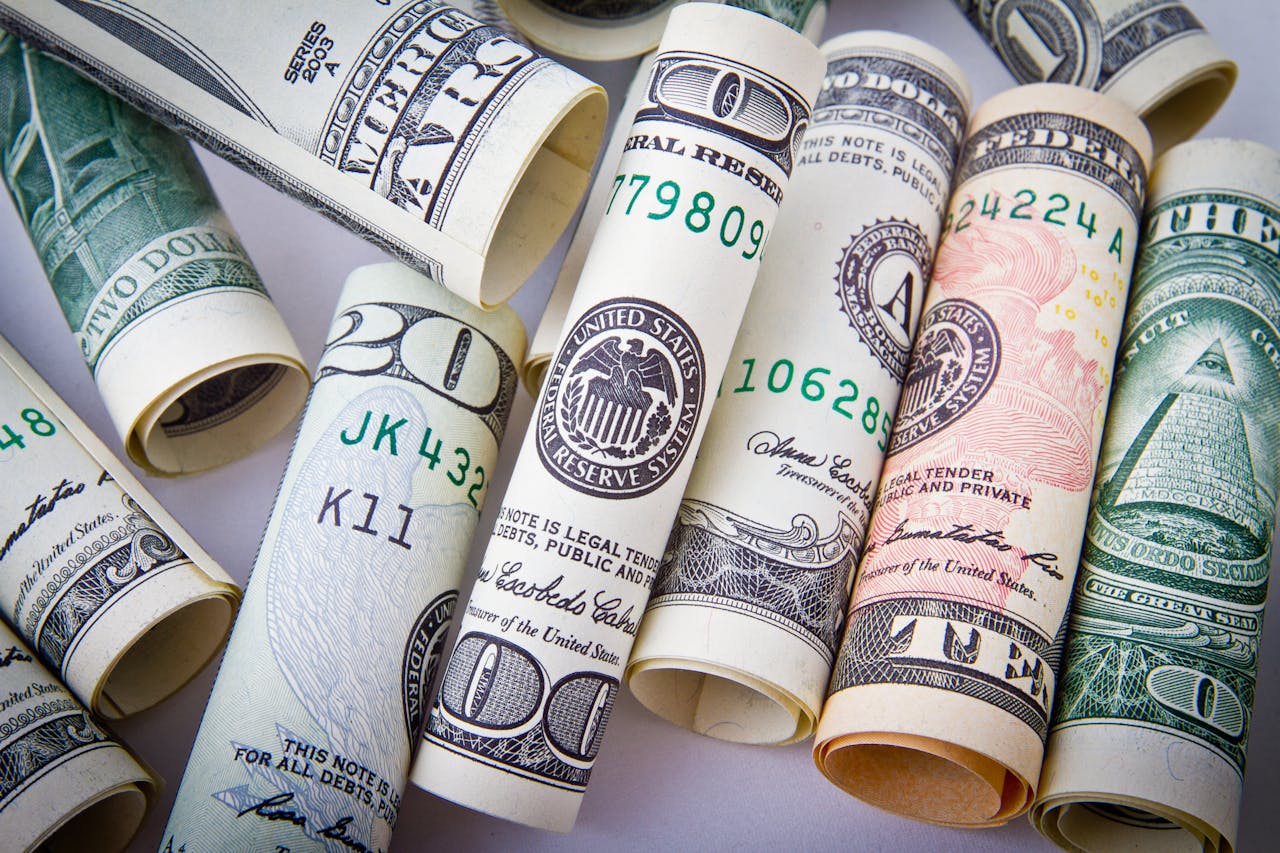
The U.S. dollar headed for a second consecutive weekly decline as escalating geopolitical tensions and renewed tariff threats weighed on investor confidence and reduced demand for U.S. assets. The dollar index (DXY), a key gauge of the greenback against a basket of major currencies, remained under pressure despite a modest rebound late in the week.
Market sentiment deteriorated after the White House confirmed that President Donald Trump signed an executive order targeting countries that supply oil to Cuba, raising fears of broader trade disruptions. These tariff threats added to existing global strains involving Iran, Venezuela, Greenland, and Europe, all of which have unsettled foreign exchange markets.
Concerns intensified following reports that Trump is considering targeted military strikes against Iran. The possibility of conflict pushed oil prices higher and further weakened the U.S. dollar, as investors moved away from risk-sensitive U.S. assets. Analysts noted that geopolitical uncertainty has become a key driver behind the recent dollar slide.
On Friday, the dollar index edged up 0.2% to 96.35, trimming its weekly loss to around 1.1%, though it remained near multi-year lows. Earlier in the week, the dollar touched a four-year low after Trump appeared unconcerned about currency weakness. Some stability returned after Treasury Secretary Scott Bessent reiterated Washington’s commitment to a strong-dollar policy.
In currency markets, the euro slipped 0.2% to $1.194, while the Japanese yen weakened to 153.39 per dollar. Sterling also eased to $1.3791. A softer dollar has offered limited relief to the yen, which has hovered in the 152–154 range amid speculation about potential intervention by U.S. and Japanese authorities.
The Federal Reserve provided mild support to the greenback after holding interest rates steady, with Chair Jerome Powell citing a resilient U.S. economy and easing inflation risks. In Japan, Tokyo inflation data showed core consumer prices rising 2% year-on-year, aligning with the central bank’s target.
Elsewhere, the Australian and New Zealand dollars both slipped against the U.S. dollar. In cryptocurrencies, bitcoin and ether posted small declines, reflecting cautious risk sentiment across global markets.







