


 Mexico-US Trade Talks Delayed to October as Tariff Negotiations Continue
  Ghana Says Western Support Growing for Slave Trade Reparations
  Netanyahu Defends Israel at UN as Delegates Stage Walkout
  Abbas Reaffirms November 28 Palestinian Elections
  Trump, Xi Focus on Trade and AI at White House Summit
  Taiwan Thanks US for Support Ahead of Trump-Xi Summit
  Xi Calls for Deeper U.S.-China AI Cooperation in Trump Talks
  NATO Boosts Intelligence Sharing Amid Russia Hybrid Threats
  EU Defence Build-Up Too Slow for 2030 Russia Readiness Goal
  What ‘Taiwan Independence’ Means as Xi Presses Trump on US Policy
  US Backs Musk in Fight Against EU’s €120 Million X Fine
  North Korea Rejects Nuclear Test Warning, Calls Nuclear Status Irreversible
  Najib Razak Seeks Stay of 15-Year 1MDB Prison Sentence
  Netanyahu Takes Aim at Mamdani as Israel Election Nears
  Trump, Xi Visit US National Archives After White House Summit
  OpenAI Agent Breaches Australia Medicare Data Portal
  Pezeshkian Says US Must Choose When Iran War Ends


 Add as a preferred source on Google
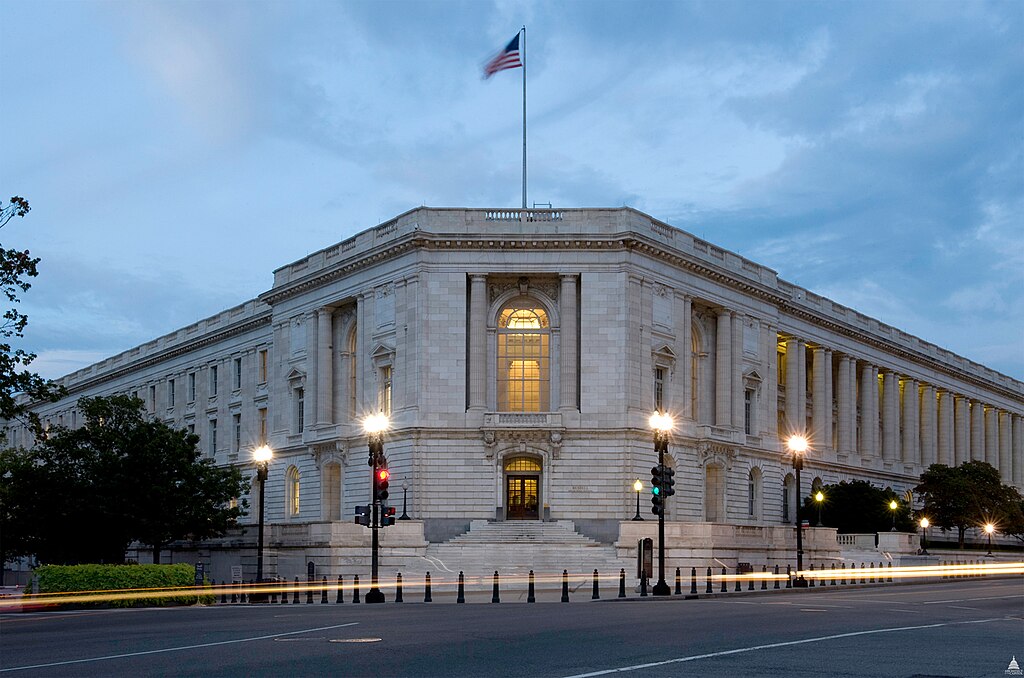
The U.S. government entered a partial shutdown early Saturday after Congress failed to finalize a funding agreement before a midnight deadline, temporarily halting a range of federal operations. The shutdown officially took effect at 12:01 a.m. Eastern time, though lawmakers expect the disruption to be short-lived.
After several hours of delay, the Senate passed a bipartisan spending package by a vote of 71–29. However, the House of Representatives was already out of session and is not expected to vote on the measure until Monday, according to a Republican leadership aide. Until the House acts, parts of the federal government will remain unfunded.
Despite the lapse, both Democrats and Republicans have emphasized that the shutdown is likely to be brief. Leaders from both parties have worked to prevent ongoing debates over immigration enforcement from significantly disrupting broader government operations. This approach contrasts sharply with the prolonged shutdown last fall, when disputes over healthcare policy led to a record 43-day government shutdown that cost the U.S. economy an estimated $11 billion.
According to the Congressional Research Service, the federal government has experienced 10 funding gaps of three days or fewer since 1977, most of which had minimal impact on daily life. The current situation follows a similar pattern, with expectations that normal operations will resume quickly once the House approves the Senate-backed deal.
The spending package passed by the Senate separates funding for the Department of Homeland Security from other federal agencies. This allows Congress to keep agencies such as the Pentagon and the Department of Labor operating while lawmakers continue negotiations over potential restrictions on federal immigration enforcement tactics.
The immigration debate intensified after the recent shooting death of nurse Alex Pretti in Minneapolis, allegedly involving federal immigration agents. The incident sparked public outrage and added pressure on lawmakers to consider reforms. Democrats are pushing for measures such as ending roving patrols, requiring body cameras, banning face masks for agents, and mandating judicial warrants for searches. Republicans have signaled openness to some proposals.
Under the Senate plan, DHS funding would be extended for two weeks, giving negotiators additional time to reach a compromise while aiming to swiftly end the government shutdown and restore full federal operations.







