


 South Korea, US Discuss Warship Building Cooperation
  Abbas Reaffirms November 28 Palestinian Elections
  France Defends Netanyahu Airspace Clearance Despite ICC Warrant
  Oil Prices Jump 3% as Houthi Attack Revives Supply Fears
  Dollar Holds Near Two-Month High as Yen Approaches 160
  Trump Asks Supreme Court to Restore Third-Country Deportations
  Fed Unveils Stablecoin Rules Under GENIUS Act
  Kremlin Says No Decision Yet on Putin-Trump December Summit
  North Korea Rejects Nuclear Test Warning, Calls Nuclear Status Irreversible
  US 10-Year Treasury Yield at 6% Emerges as New Market Risk Threshold
  US Stock Futures Fall as Treasury Yields Surge Ahead of Trump-Xi Summit
  Taiwan Thanks US for Support Ahead of Trump-Xi Summit
  Judge Orders Trump to Restore White House Access for CNN, MS NOW and Politico
  Netanyahu Defends Israel at UN as Delegates Stage Walkout
  Gold Holds Near $4,275 as Rising Treasury Yields Fuel Fed Rate Hike Bets
  Soybean Futures Slip as Traders Await Trump-Xi Trade Signals
  China’s ‘Lipstick King’ Says AI Won’t Replace Livestream Hosts


 Add as a preferred source on Google
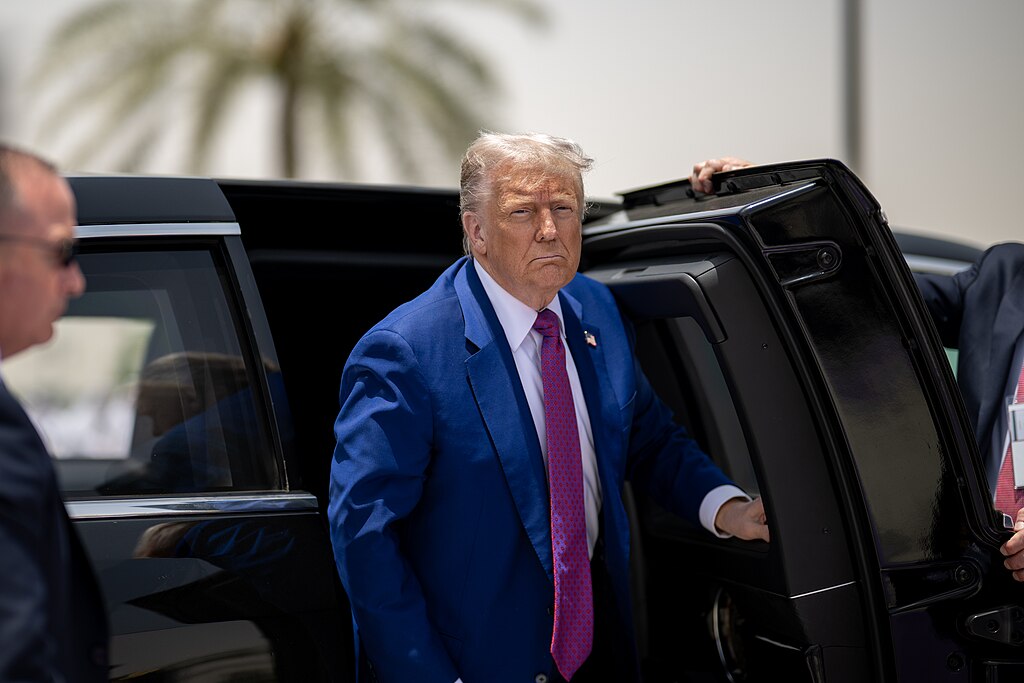
The United States and El Salvador have signed a new bilateral agreement aimed at encouraging investment in the exploration, development, and export of critical minerals, a sector U.S. President Donald Trump has repeatedly emphasized as vital to both economic growth and national security. The agreement, signed Thursday in Washington, strengthens economic ties between the two countries while positioning El Salvador as a strategic partner in the global critical minerals supply chain.
Under the deal, U.S. companies will be allowed to operate across the full critical minerals supply chain in El Salvador, from exploration and extraction to processing and export. In return, El Salvador has committed to providing energy, telecommunications, and other essential infrastructure support on terms comparable to those offered to other foreign investors, ensuring a competitive and predictable investment environment.
The agreement follows a significant policy shift in El Salvador. In December 2024, the country’s Congress, with strong backing from President Nayib Bukele, approved legislation lifting a long-standing ban on mining. The decision sparked criticism from environmental groups but was defended by the government as necessary to unlock the country’s economic potential. Bukele has pointed to El Salvador’s reserves of minerals such as rhenium and silicon, both of which were recently added to an expanded U.S. list of critical minerals essential for clean energy technologies, defense systems, and advanced manufacturing.
Beyond minerals, the pact commits El Salvador to cooperate with U.S. sanctions, export controls, and defense-related trade measures, further aligning the country with U.S. strategic and regulatory frameworks. The agreement also builds on a November framework in which El Salvador agreed to adopt U.S. standards for vehicle safety, emissions, and pharmaceuticals, while easing import restrictions on U.S. products such as cheeses and meats.
Calling the deal “the first reciprocal trade agreement in the entire Western Hemisphere,” Bukele highlighted its symbolic and economic importance. While El Salvador already benefits from duty-free access for many goods under the CAFTA-DR agreement, this new pact deepens cooperation and underscores growing U.S.-El Salvador economic and strategic ties.







