


 Pezeshkian Says US Must Choose When Iran War Ends
  Abbas Reaffirms November 28 Palestinian Elections
  Europe Warns Russia Is Escalating Hybrid Attacks Across NATO
  Kremlin Says No Decision Yet on Putin-Trump December Summit
  Netanyahu Takes Aim at Mamdani as Israel Election Nears
  Ghana Says Western Support Growing for Slave Trade Reparations
  OpenAI Agent Breaches Australia Medicare Data Portal
  France Defends Netanyahu Airspace Clearance Despite ICC Warrant
  US, China Extend Trade Truce to Jan. 10 Ahead of Trump-Xi Summit
  Sudan Rejects US Legitimacy Remarks, Defends Sovereignty
  South Korea, US Discuss Warship Building Cooperation
  US Invites Putin to Miami G20, Opening Door to Trump Summit
  US Senate Rejects Iran War Powers Resolution in 50-49 Vote
  Taiwan Thanks US for Support Ahead of Trump-Xi Summit
  North Korea Rejects Nuclear Test Warning, Calls Nuclear Status Irreversible
  EU Defence Build-Up Too Slow for 2030 Russia Readiness Goal
  Trump Asks Supreme Court to Restore Third-Country Deportations


 Add as a preferred source on Google
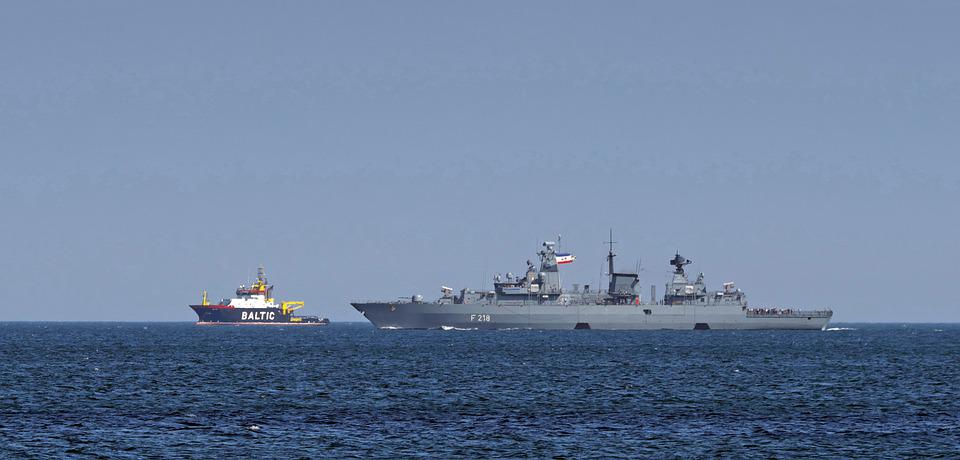
Germany is set to expand its military presence in the Indo-Pacific region. The move to expand comes amidst increasing concern over China’s territorial ambitions in the contested region.
Speaking with Reuters, German defense minister Eberhard Zorn said the country plans to expand its military presence in the Indo-Pacific region, where tensions are rife over the contested South China Sea and the island nation of Taiwan.
Zorn said Germany would send more warships and participate in drills with allies as it keeps tabs on China’s ambitions.
In 2021, Berlin deployed the first warship in 20 years to the region, and this month, it sent military aircraft to participate in joint military exercises with Australia. Zorn said the Bundeswehr planned to send troops to take part in Australia’s exercises next year as the German navy would send more ships in 2024.
“This is how we consolidate our presence in the region,” said Zorn.
Germany unveiled its Indo-Pacific strategy back in 2020, focusing on strengthening ties with democracies in the region, marking a turning point from its usual security policy. In February this year, German Chancellor Olaf Scholz pledged an increase in military spending in light of Russia’s invasion of Ukraine.
Zorn was also pressed on whether Germany would send a warship through the Taiwan Strait like the United States. Zorn said it was a sensitive matter that is decided by the highest levels, stressing that Germany plans to show solidarity with its allies.
“We do not want to provoke anyone with our presence but rather send a strong sign of solidarity with our allies. We stand for the freedom of navigation and the safeguarding of international norms,” said Zorn.
In a report to the Taiwanese parliament this week, the island’s defense ministry found that the Chinese navy has been simulating attacks on US Navy ships and is looking to prevent foreign forces from coming to Taiwan’s defense in the event of an invasion.
The ministry added that China was strengthening its combat preparedness for a potential attack on Taiwan.
In the report, China focused on the first island chain, that runs from Japan to Taiwan, the Philippines, and Borneo. The ministry added that China was stepping up its military intimidation including drills that seek to undermine Taiwan’s morale and “force negotiations with a war” and forcibly “reunify” the island and China.







