


 Taiwan Thanks US for Support Ahead of Trump-Xi Summit
  US Senate Rejects Iran War Powers Resolution in 50-49 Vote
  Kremlin Says No Decision Yet on Putin-Trump December Summit
  NATO Boosts Intelligence Sharing Amid Russia Hybrid Threats
  Netanyahu Defends Israel at UN as Delegates Stage Walkout
  US Officials Split Over Response to Israeli West Bank Settlements
  North Korea Warns South Korea Over US-Led Defense Role
  Europe Warns Russia Is Escalating Hybrid Attacks Across NATO
  Netanyahu’s Brief US Trip Highlights Strains With Trump
  US, China Extend Trade Truce to Jan. 10 Ahead of Trump-Xi Summit
  Judge Orders Trump to Restore White House Access for CNN, MS NOW and Politico
  US Invites Putin to Miami G20, Opening Door to Trump Summit
  France Defends Netanyahu Airspace Clearance Despite ICC Warrant
  Trump Asks Supreme Court to Restore Third-Country Deportations
  Netanyahu Takes Aim at Mamdani as Israel Election Nears
  Russian Missile and Drone Attack on Kyiv Kills Two, Damages Maternity Hospital
  Sudan Rejects US Legitimacy Remarks, Defends Sovereignty


 Add as a preferred source on Google
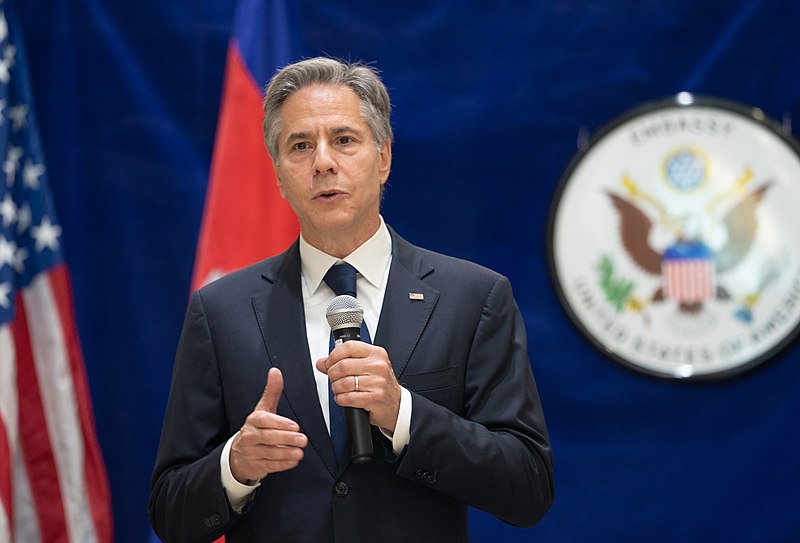
United States Secretary of State Antony Blinken met with his counterparts from the Association of Southeast Asian Nations this week. Blinken said Washington opposes any unilateral change to the status quo concerning Taiwan, and that the US policy on Taiwan remains the same.
Blinken met with the ASEAN foreign ministers in Cambodia aside from attending a security-focused meeting of over 27 countries with the food crisis caused by the war in Ukraine, the situation in the Taiwan Strait, and the unrest in Myanmar. Blinken and the ASEAN bloc pledged to upgrade their relations to a strategic partnership.
“We and countries around the world believe that escalation serves no one and could have unintended consequences that serve no one’s interests, including ASEAN members, and including China,” said Blinken.
Blinken said during the meeting that cross-strait stability is in the interests of the region. The top US diplomat’s comments follow a visit to Taiwan by House Speaker Nancy Pelosi, the highest-ranking US official to visit the island in 25 years, drawing the ire of China, which claims Taiwan as its territory.
China ramped up its military activities near the island on Thursday, firing multiple missiles as it carried out its largest military drills around Taiwan. Chinese foreign minister Wang Yi said Beijing has made the utmost diplomatic effort to avert any crisis, but it will not allow its core interests to be targeted.
The military activities by China have also led to protests from Japan, as five Chinese ballistic missiles landed in its exclusive economic zone, according to Japanese defense minister Nobuo Kishi Thursday.
Wang also canceled a meeting with Japan’s foreign minister Hayashi Yoshimasa following Beijing’s ire toward the G7 statement that urged China to resolve its disputes around Taiwan in a peaceful manner. Wang also refused to meet with Blinken despite being in attendance
The 10-member bloc also warned of possible miscalculation in the Taiwan Strait and a “serious confrontation” between major world powers. The bloc said that tensions could lead to “open conflicts and unpredictable consequences” and called for restraint.
“ASEAN stands ready to play a constructive role in facilitating peaceful dialogue between all parties,” the bloc said in a statement.







