


 Taiwan Vows to Advance US Arms Sales Ahead of Trump-Xi Meeting
  Lula and Flavio Bolsonaro Tied in Brazil Runoff Poll
  Scott Bessent Eyed as Trump’s New AI Czar
  South Korea, US Discuss Warship Building Cooperation
  Trump Administration Plans Faster FDA Reviews for Smoke-Free Nicotine Products
  Trump Says ‘Freedom’ Is Coming to Cuba
  Macron Challenges Trump’s Gaza Peace Claims at UN
  US Invites Putin to Miami G20, Opening Door to Trump Summit
  Burnham Eyes UK Leadership Role in AI Ahead of Trump Meeting
  Trump Board of Peace Unveils $2.45 Billion Gaza Recovery Plan
  Macron, Trump Discuss Ukraine-Russia Energy Strike Moratorium
  Marco Rubio to Meet Russia’s Lavrov in New York
  Iran Vows ‘Crushing’ Response as US Talks Continue
  Venezuela Promises Elections as Delcy Rodriguez Pledges Democratic Transition
  Trump Says U.S.-Iran Peace Deal Near After UN Talks
  Gaza Faces Evacuation Crisis as War-Damaged Buildings Risk Collapse
  Trump to Press Xi on Release of US Nuclear Expert Held in China


 Add as a preferred source on Google
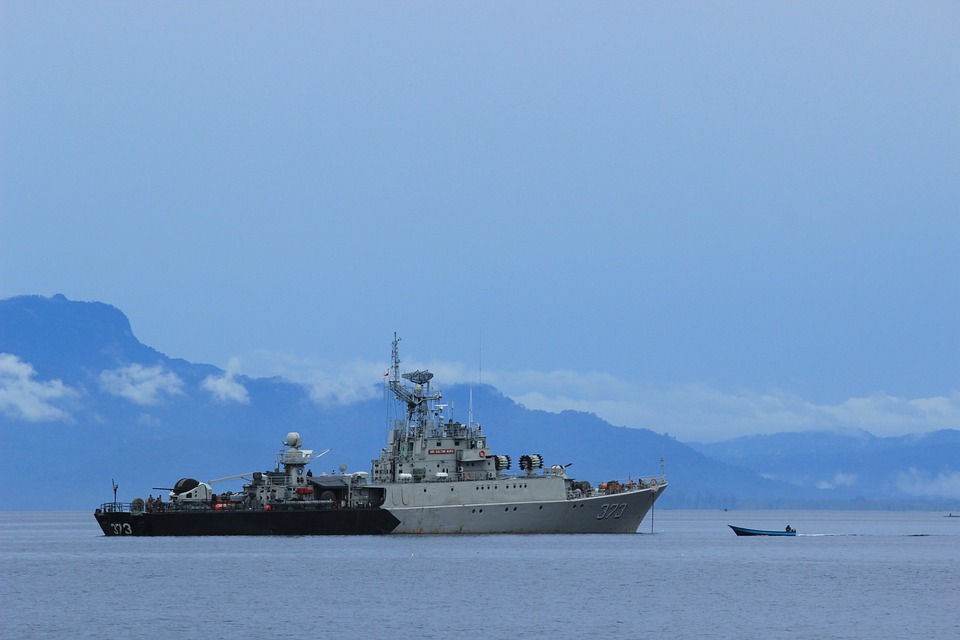
China is looking to make more aggressive efforts in assuming control over the majority of the South China Sea, angering the surrounding nations. An expert has claimed that amid tensions over the body of water, China is likely looking into hiding ballistic missiles in parts of the waters.
Tensions over the South China Sea are high as of late. According to Chatham House Asia-Pacific Program Associate Fellow Bill Hayton, China is likely adopting a defense strategy that involves hiding ballistic missiles in parts of the disputed waters. China made sweeping claims of sovereignty over the South China Sea, citing its nine-dash line but has been rejected by an international tribunal.
Hayton explained the move, citing that China may hide missiles in the waters as part of a defense against nuclear retaliation. Hayton also explained that China’s nine-dash line is not as historic as Beijing claims it to be, noting that they did not claim sovereignty over the waters until World War 2 and that they are doing so in order to extract resources.
“I think China has several objections in the South China Sea,” Hayton told Express. “Underlining it all is a belief that the rocks and the reefs within this nine-dash line belong to China. My own historical research has shown that that’s a bit of a myth. China didn’t claim the rocks and reefs in the southern part of the sea until World War II. The idea that this is an ancient historic claim is wrong. But it also, I think is looking to extract oil and gas as well as harvest all the fish in the South China Sea.”
China has previously been revealed to be building an “underwater Great Wall” in the disputed waters in order to spy on other countries. This is among several of its surveillance platforms that are laid out in the South China Sea.
The US has also opposed China’s sweeping claims, supporting other countries, including the Philippines. This week, US Defense Secretary Lloyd Austin reached an agreement with Philippine President Rodrigo Duterte to maintain the military treaty between the two countries called the Visiting Forces Agreement. The treaty would allow both countries to continue conducting joint military exercises amidst concerns that China is growing increasingly aggressive.







