


 Ghana Says Western Support Growing for Slave Trade Reparations
  EU Defence Build-Up Too Slow for 2030 Russia Readiness Goal
  Pezeshkian Says US Must Choose When Iran War Ends
  Judge Orders Trump to Restore White House Access for CNN, MS NOW and Politico
  Russian Missile and Drone Attack on Kyiv Kills Two, Damages Maternity Hospital
  Europe Warns Russia Is Escalating Hybrid Attacks Across NATO
  OpenAI Agent Breaches Australia Medicare Data Portal
  Netanyahu’s Brief US Trip Highlights Strains With Trump
  US Senate Rejects Iran War Powers Resolution in 50-49 Vote
  Sudan Rejects US Legitimacy Remarks, Defends Sovereignty
  North Korea Rejects Nuclear Test Warning, Calls Nuclear Status Irreversible
  Trump Asks Supreme Court to Restore Third-Country Deportations
  Yemen Violence Displaces 130,000 as Civilian Toll Rises
  Netanyahu Takes Aim at Mamdani as Israel Election Nears
  US Backs Musk in Fight Against EU’s €120 Million X Fine
  US Invites Putin to Miami G20, Opening Door to Trump Summit
  US, China Extend Trade Truce to Jan. 10 Ahead of Trump-Xi Summit


 Add as a preferred source on Google
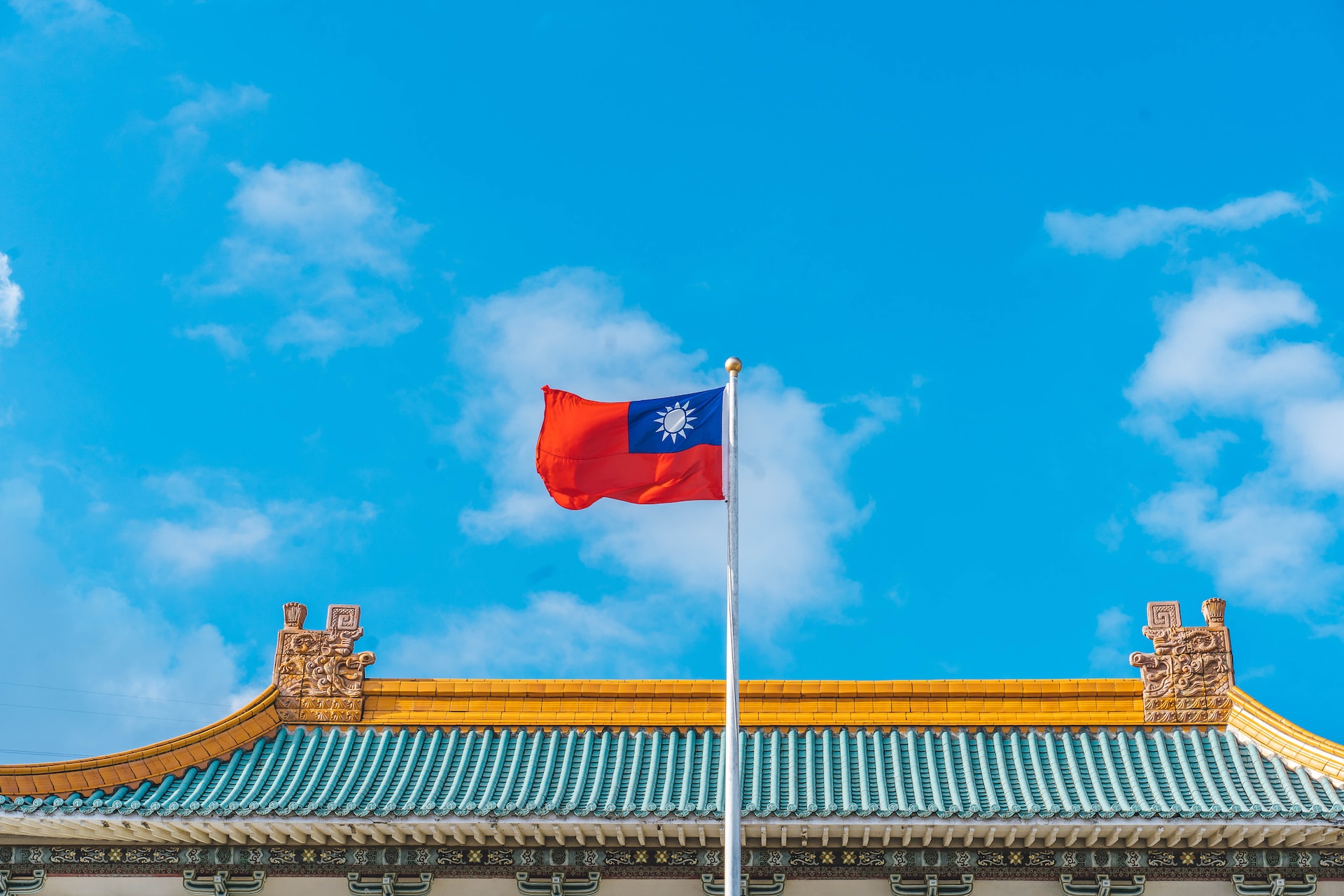
Taiwan has said the delays in deliveries of F-16 fighter jets from the United States were due to software problems. Despite the delay, Taiwan is still expecting the full order of the jets to arrive by 2026.
Taiwanese defense minister Chiu Kuo-cheng said on Thursday that the delays in the deliveries of F-16 jets from the US were due to problems in the flight control software and that they were working to address the problem with Washington. Chiu told reporters at the Taiwanese parliament that the island nation is still expecting their order of 66 F-16 jets to arrive by 2026. Chiu also said they were concerned about the delay but that communication was the US was smooth.
Chiu’s comments follow the statement released by the Taiwanese defense ministry the day before, saying that the software development process was delayed. The ministry said that Lockheed Martin, which manufactures the F-16s, had already rolled out two prototype F-16V jets, and one was a separate order from Bahrain.
The US approved the $8 billion sale of F-16 fighter jets to Taiwan back in 2019, which would bring the island’s F-16 fleet to over 200, the biggest in Asia, to boost the island’s defenses against the threats coming from China, which claims the island as its territory. Taiwan has also been converting 141 of its F-16A and F-16B jets into the F-16V type and ordered an additional 66 F-16Vs, which have advanced avionics, weapons, and radar systems.
The island has complained since last year about the delay in the deliveries of weapons, including Stinger anti-aircraft missiles, as manufacturers try to meet the needs for Ukraine, which has also concerned US lawmakers. Rep. Michael McCaul, who chairs the foreign affairs committee, said that he was doing what he could to speed up arms deliveries to Taiwan during his visit to the island last month.
On Wednesday, a US congressional committee on China approved the reports pushing back on China’s treatment of its Uyghur and other ethnic minorities while also looking to deter any initiation of the conflict with the island nation. Members of the Republican-led House committee approved both reports, hoping that some of the recommendations become legislation.
The bipartisan panel’s recommendations also come at a time when a hard-line approach toward China is one of the few issues that have strong bipartisan support in a very divided US Congress.
Photo: Romeo A./Unsplash







