


 NASA and SpaceX Target Crew-11 Undocking From ISS Amid Medical Concern
  FDA Adds Fatal Risk Warning to J&J and Legend Biotech’s Carvykti Cancer Therapy
  China vs. NASA: The New Moon Race and What's at Stake by 2030
  SpaceX Prioritizes Moon Mission Before Mars as Starship Development Accelerates
  SpaceX’s Starship Completes 11th Test Flight, Paving Way for Moon and Mars Missions
  Blue Origin’s New Glenn Achieves Breakthrough Success With First NASA Mission
  SpaceX Delays Starship V3 Launch Ahead of Potential Record IPO
  Blue Origin New Glenn Explosion Could Delay Launch Operations Until 2028
  Trump Signs Executive Order to Boost AI Research in Childhood Cancer
  Trump Administration to Launch Autism Initiatives Targeting Acetaminophen Use and New Treatment Options
  Neuralink Expands Brain Implant Trials with 12 Global Patients


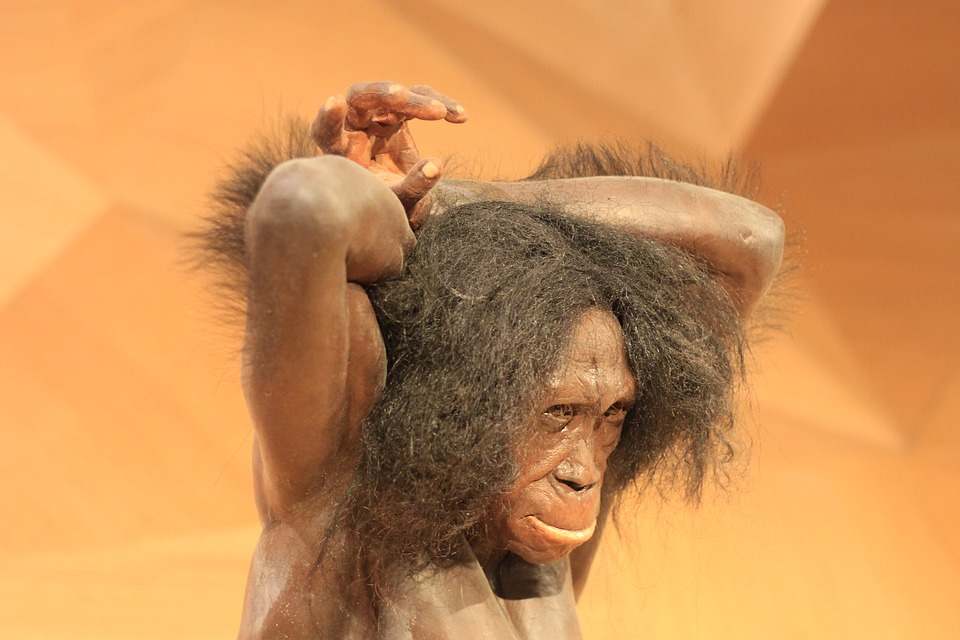
Over time, a lot of research has been made towards figuring out exactly how humans have evolved since the beginning of time. Recently, a new study may suggest that the DNA of modern humans may be traced back to only a handful of individuals.
Express reports that a new study finds that the DNA in modern humans may have come from a handful of Neanderthals, around 20 or so individuals. The study brought on the most comprehensive analysis of genetic diversity so far. Researchers at the Wellcome Sanger Institute, the University of Cambridge, and other collaborators analyzed the sequencing of 929 human genomes. They found that the Neanderthal ancestry of modern humans may be caused by one major interbreeding event involving several Neanderthal individuals who came across modern humans when they expanded into Africa.
According to the study’s first author, Dr. Anders Bergstrom, “Our results imply that several Neanderthal individuals contributed significant genetic material, but it’s difficult to say if it was a question of tens, or hundreds, or even a larger number,” Dr. Bergstrom added that “it’s certainly possible that modern humans and Neanderthals lived side by side for some period of time, but it’s also possible that these were only sporadic encounters.”
At the same time, there is more evidence of sustained mixing with the lesser-known Denisovans. The studies indicated that three to five percent of the DNA of the Melanesians and Aboriginal Australians and six percent of the DNA of the Papuans that can be traced back to this interbreeding.
The study also suggested that some DNA of these Neanderthals may be present in a percentage of modern-day people in west Africa.
Previously, a paleoanthropologist stated that the extinction of the Neanderthal species. Gibraltar Museum Director and Professor Clive Finlayson believe that the extinction of the Neanderthal species was genocide carried out by modern humans who were migrating out of Africa. “A lot of modern human populations also went extinct at that time. You’ve got small populations, climate impacts I think were very substantial and these people happened to be in the wrong place at the wrong time,” said Professor Finlayson.
“They happened to be in Eurasia at the height of the Ice Age, and we think that modern humans, who were probably in Africa, moved in and took their space.”







