


 NASA Resumes Cygnus XL Cargo Docking with Space Station After Software Fix
  CDC Vaccine Review Sparks Controversy Over Thimerosal Study Citation
  Is space worth the cost? Accounting experts say its value can’t be found in spreadsheets
  NASA Astronauts Wilmore and Williams Recover After Boeing Starliner Delay
  Cogent Biosciences Soars 120% on Breakthrough Phase 3 Results for Bezuclastinib in GIST Treatment
  Tabletop particle accelerator could transform medicine and materials science
  Neuralink Plans High-Volume Brain Implant Production and Fully Automated Surgery by 2026
  FDA Pilot Program Eases Rules for Nicotine Pouch Makers
  Trump Administration to Launch Autism Initiatives Targeting Acetaminophen Use and New Treatment Options
  Astronomers have discovered another puzzling interstellar object − this third one is big, bright and fast
  SpaceX Starship Test Flight Reaches New Heights but Ends in Setback


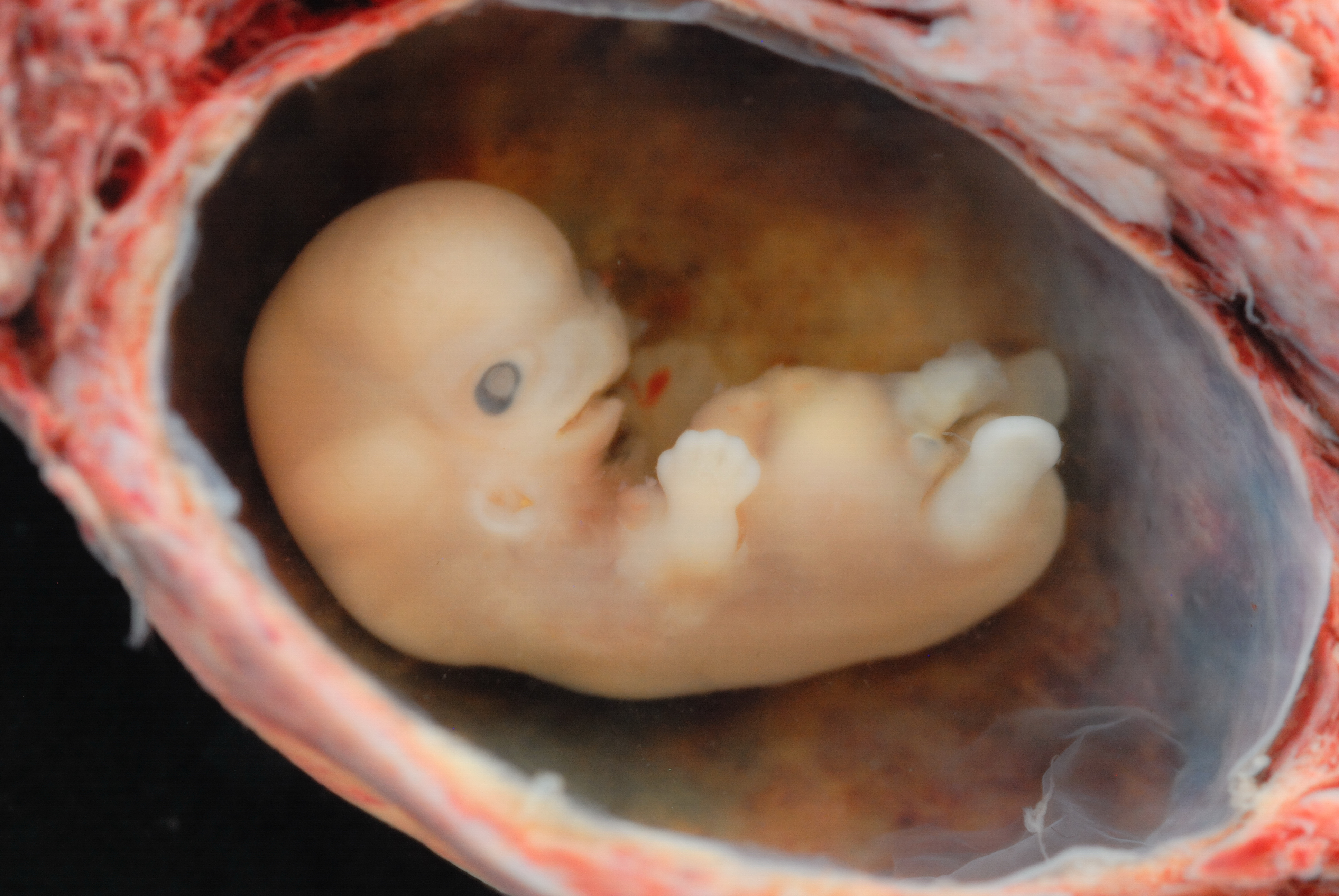
The Francis Crick Institute at the UK was given the green light to start messing around with the genes of embryos, which is basically allowing its researchers to start messing around with the first stages of human mutation. Of course, this isn’t likely to result in people with metal claws walking around, but it is still big news. No other scientific organization has been given permission to do something like this.
Tampering with viable human embryos and egg cells is widely considered practically dancing at the edges of morality in most places, but tinkering with them at the genetic level is often seen as bordering on illegal. This is why it has rarely been done in any kind of legal capacity and why this development in the UK is so momentous, Futurism reports.
Dr. Kathy Niakan is leading the team to conduct this research and she wants to reassure the world that their work will not lead to the monsters that a lot of people fear would arise from genetic manipulation. Dr. Niakan and her team will simply be observing what the effects of genetic tampering will do during the 7-day period that the embryos are experimented on.
Speaking to BBC, Dr. Niakan also explained that their research could prove extremely helpful with cases like delicate pregnancies and even preventing miscarriages. Although these incidents are considered common, many of them have gone without explanation. If doctors can understand what specific genetic factors play into miscarriages or even infertility, they can be addressed appropriately.
“We would really like to understand the genes needed for a human embryo to develop successfully into a healthy baby,” Dr. Niakan told the publication. “The reason why it is so important is because miscarriages and infertility are extremely common, but they’re not very well understood.”













