


 Eli Lilly’s Inluriyo Gains FDA Approval for Advanced Breast Cancer Treatment
  SpaceX Prioritizes Moon Mission Before Mars as Starship Development Accelerates
  FDA Pilot Program Eases Rules for Nicotine Pouch Makers
  Is space worth the cost? Accounting experts say its value can’t be found in spreadsheets
  Trump Signs Executive Order to Boost AI Research in Childhood Cancer
  Lost in space: MethaneSat failed just as NZ was to take over mission control – here’s what we need to know now
  Astronomers have discovered another puzzling interstellar object − this third one is big, bright and fast
  Cogent Biosciences Soars 120% on Breakthrough Phase 3 Results for Bezuclastinib in GIST Treatment
  NASA Faces Major Workforce Reduction as 20% of Employees Prepare to Leave
  SpaceX’s Starship Completes 11th Test Flight, Paving Way for Moon and Mars Missions
  Tabletop particle accelerator could transform medicine and materials science
  Blue Origin’s New Glenn Achieves Breakthrough Success With First NASA Mission
  CDC Vaccine Review Sparks Controversy Over Thimerosal Study Citation
  Neuralink Expands Brain Implant Trials with 12 Global Patients
  Trump Administration to Launch Autism Initiatives Targeting Acetaminophen Use and New Treatment Options
  Trump and Merck KGaA Partner to Slash IVF Drug Costs and Expand Fertility Coverage


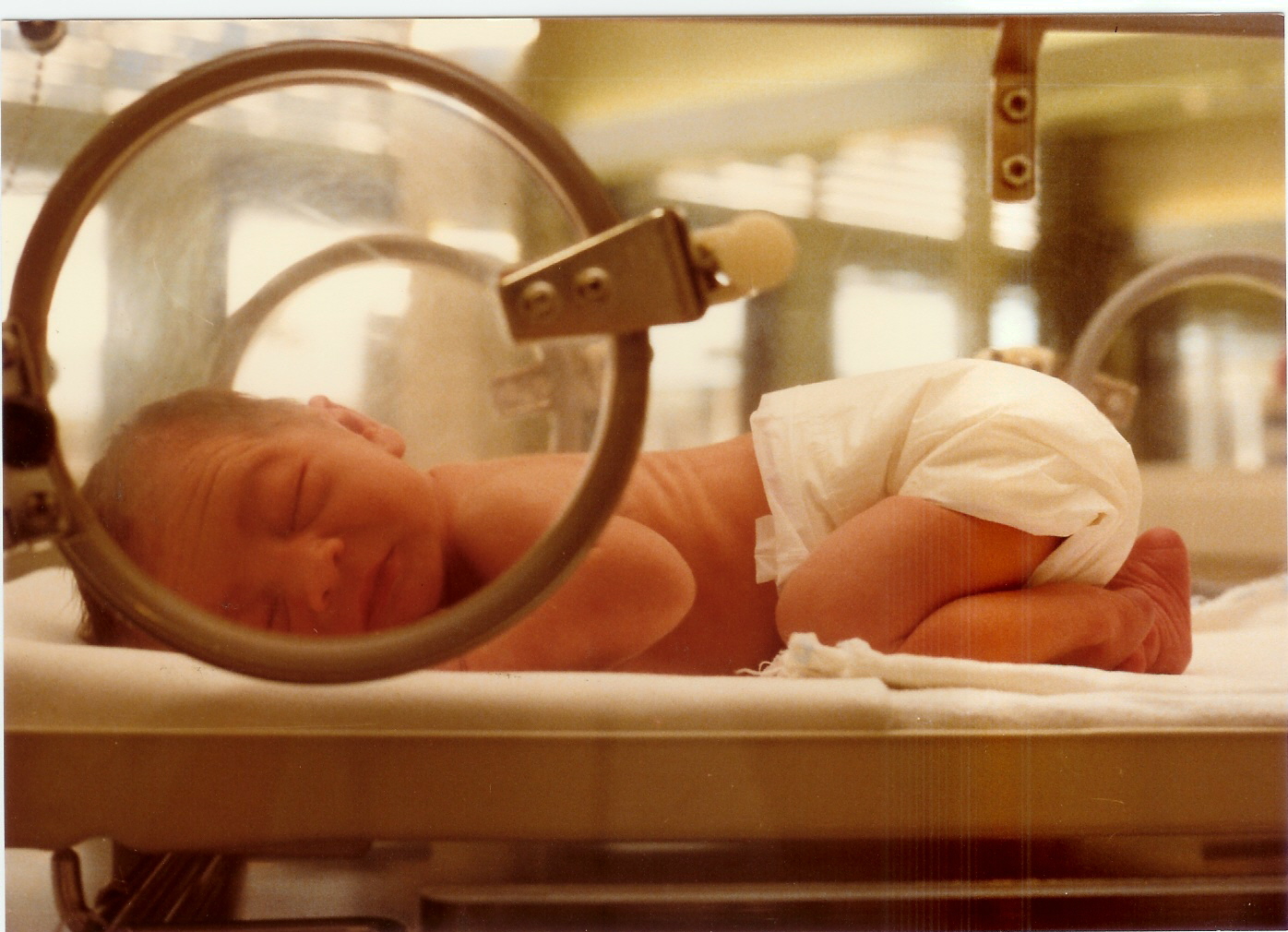
The field of genetics has always promised revolutionary cures for even the most deadly of diseases. Recently, scientists fulfilled that promise in at least one area by curing two babies who were suffering from leukemia through genetic engineering. This opens the door for multiple applications, potentially providing the world with a way to cure all diseases.
The incredible medical development was made at the Great Ormond Street Hospital in London, England where doctors announced that they were successful in curing the leukemia of two infants when conventional treatments failed, Futurism reports. The doctors basically injected the patients with genetically modified cells, which fought cancer in a more specific format.
On a more astounding note, the doctors also used what’s called “off-the-shelf” genetically modified T-Cells, which are basically a one size fits all kind of deal. It’s similar to how antibiotics work, which attacks a wide range of bacteria species that commonly infect patients. Only, in this case, it’s meant for cancer cells.
The cells are then injected into the IV drops that the patients are already on, thus giving their blood cells some reinforcements to fight off the diseases. Of course, the more technical details go much deeper than that, as the team’s published paper explains. It still doesn’t change the fact that when it comes down to it, the doctors basically made a cure-all for cancer.
As impressive as the implications of this kind of treatment might be, what with the possibility of only having one sure cure for leukemia and other types of cancer, it is still very much in its infancy. With that said, the two babies getting cured of cancer does offer hope that someday soon, everyone can receive the same treatment. This will certainly save cancer patients a lot of pain that they would have had to endure with treatments like chemotherapy.













