


 SpaceX’s Starship Completes 11th Test Flight, Paving Way for Moon and Mars Missions
  Trump and Merck KGaA Partner to Slash IVF Drug Costs and Expand Fertility Coverage
  Global PC Makers Eye Chinese Memory Chip Suppliers Amid Ongoing Supply Crunch
  Jared Isaacman Confirmed as NASA Administrator, Becomes 15th Leader of U.S. Space Agency
  Instagram Outage Disrupts Thousands of U.S. Users
  Neuren Pharmaceuticals Surges on U.S. Patent Win for Rare Disorder Drug
  Nvidia Nears $20 Billion OpenAI Investment as AI Funding Race Intensifies
  AMD Shares Slide Despite Earnings Beat as Cautious Revenue Outlook Weighs on Stock
  SoftBank and Intel Partner to Develop Next-Generation Memory Chips for AI Data Centers
  OpenAI Expands Enterprise AI Strategy With Major Hiring Push Ahead of New Business Offering
  FDA Lifts REMS Requirement for CAR-T Cell Cancer Therapies
  Eli Lilly’s Inluriyo Gains FDA Approval for Advanced Breast Cancer Treatment
  Trump Administration to Launch Autism Initiatives Targeting Acetaminophen Use and New Treatment Options


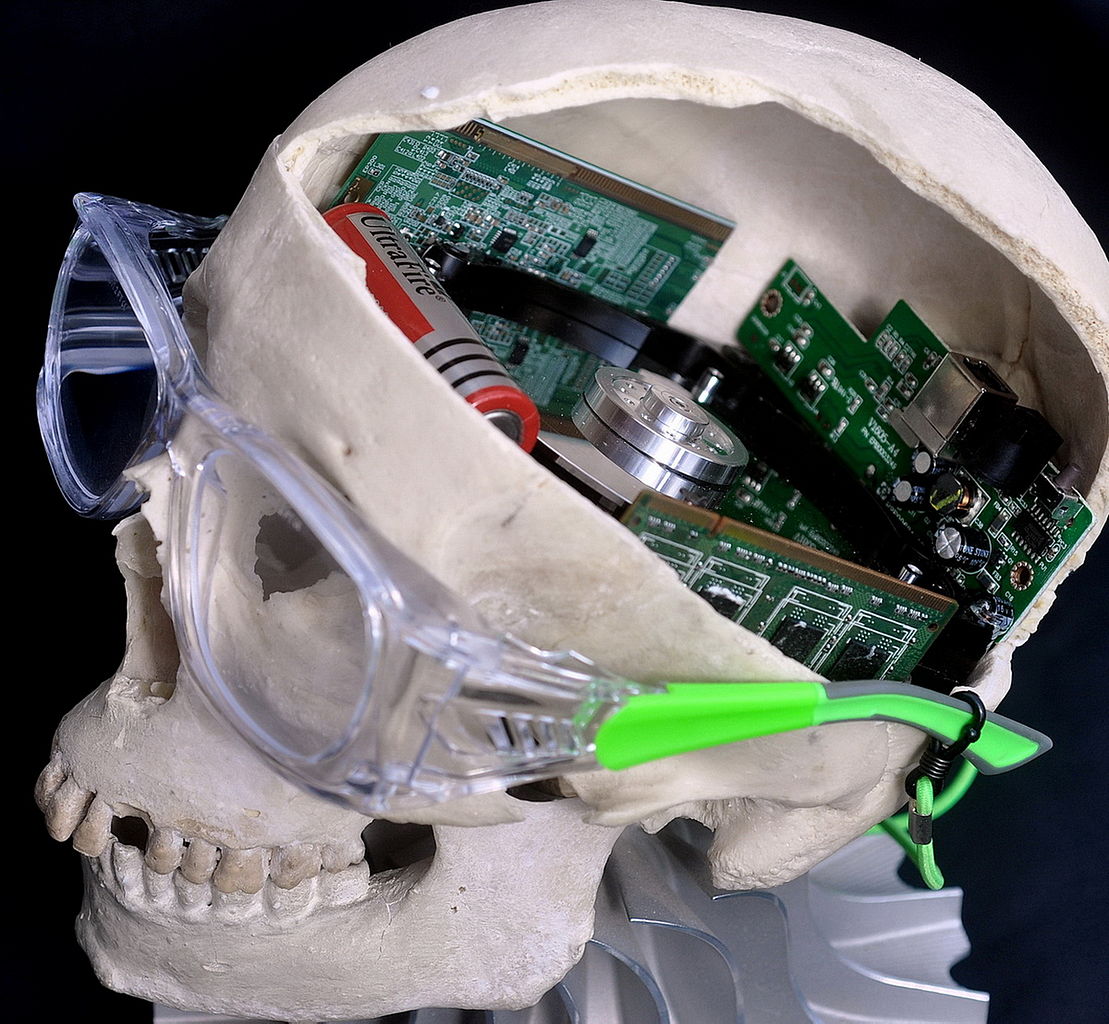
These days, one of the hottest topics in the tech and medical industries is the matter of cybernetics or merging man with machine. A scientist has recently advanced this field by demonstrating how a brain implant can improve memory. The breakthrough could also have several potential benefits, including treating epilepsy.
The findings were recently presented by University of Southern California research Dong Song to a gathering of scientists at the Society for Neuroscience, which was held in Washington D.C., New Scientist reports. The implant basically involves putting electrodes on the brain that will then mimic how humans process memories.
As a result, the implants are actually able to boost memory by up to 30 percent, according to Song. Presented as something like a “memory prosthesis,” the test used 20 volunteers to prove that it can actually be done.
During the experiments, the scientists basically determined when the brain’s memory is working at optimal levels. When it happens, the electrodes stimulate the brain, which then boosts memory. This could have a significant impact on humanity simply because, while the human brain is excellent at storing memory, actually retrieving it is a different matter.
As Futurism notes, this development is also crucial for those who are suffering from degenerative neurological conditions such as dementia and Alzheimer’s. While the root cause for those particular diseases has not been conclusively discovered yet, the prospect of maintaining optimal memory via a brain implant would stave off the worst effects of the conditions.
Taking care of patients with neurological illnesses is a costly affair as well, with yearly expenses stacking up to reach $236 billion. Putting implants in brains would be a huge step towards not only improving the memory of humans, in general, but also to make sure that patients at risk of losing their core memories have more time to live a healthy life.













