


 FDA Pilot Program Eases Rules for Nicotine Pouch Makers
  SK Biopharmaceuticals Secures Global Rights to Biohaven Epilepsy Drug Opakalim
  Ukrainian Drone Attacks Hit Russian Regions, Injuring at Least 12
  France Battles Mediterranean Wildfires as Heatwave Fuels Fire Risk
  SpaceX Delays Starship V3 Launch Ahead of Potential Record IPO
  Moderna Wins FDA Approval for mFLUSIVA mRNA Flu Vaccine for Adults 50+
  Trump Asks Supreme Court to Restore Third-Country Deportations
  North Korea Warns South Korea Over US-Led Defense Role
  U.S. Issues Cuba Health Alert as Illnesses Rise
  OpenAI Agent Breaches Australia Medicare Data Portal
  Najib Razak Seeks Stay of 15-Year 1MDB Prison Sentence
  NASA's Artemis II Crew Arrives in Florida for Historic Moon Mission
  Ghana Says Western Support Growing for Slave Trade Reparations
  Moderna Short Sellers Hit With $4.8 Billion Loss as Stock Soars


 Add as a preferred source on Google
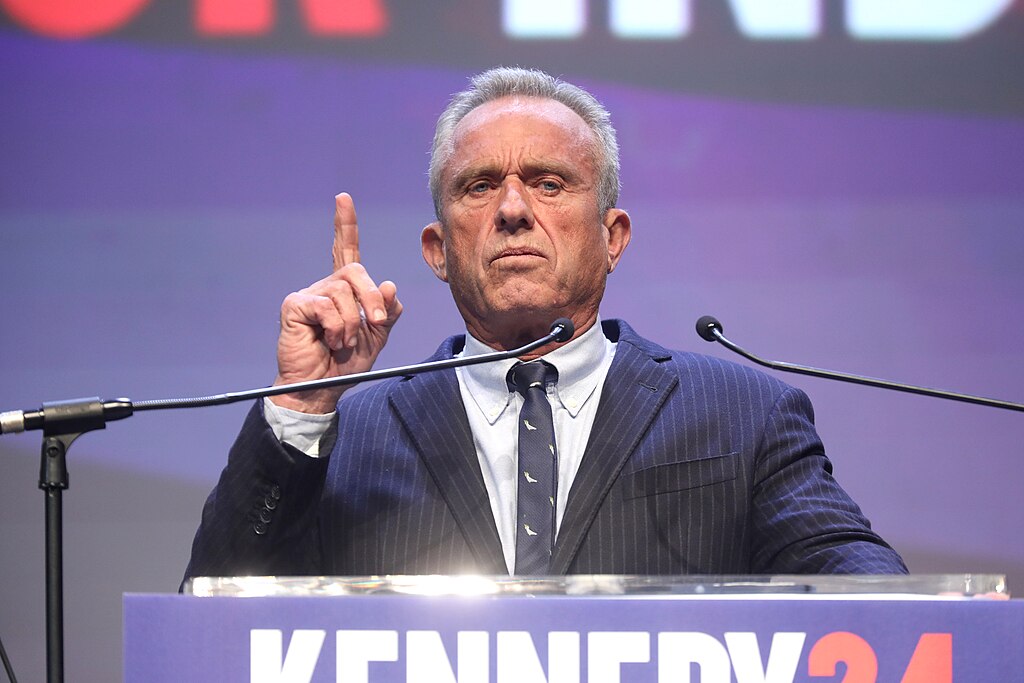
U.S. Health and Human Services Secretary Robert F. Kennedy Jr. announced a bold plan to identify the cause of autism by September 2025. Speaking at a cabinet meeting with President Donald Trump, Kennedy declared a global research initiative involving hundreds of scientists to determine the source of rising autism rates, which reached 1 in 36 children by 2020, according to the CDC.
“We’ll know by September what has caused the autism epidemic and how to eliminate those exposures,” Kennedy said, hinting at environmental and artificial factors. The initiative is part of Trump’s broader “Make America Healthy Again” Commission, which is also reviewing rising childhood conditions like asthma and ADHD.
The autism community, however, responded with skepticism. Kristyn Roth of the Autism Society of America criticized the deadline and the framing of autism as an “epidemic,” warning it promotes fear and stigmatization. Experts caution that increased diagnoses are largely due to expanded diagnostic criteria and awareness, not an unknown epidemic.
Kennedy, known for promoting a disproven link between vaccines and autism, confirmed vaccines will be reviewed, along with potential environmental and lifestyle triggers. Meanwhile, a recent study has strengthened ties between prenatal diabetes and autism risk.
Controversy deepened after reports surfaced of David Geier—previously fined for unlicensed medical practices—being hired to investigate vaccine links. Lawmakers and advocacy groups fear the spread of misinformation under Kennedy’s leadership.
The National Institutes of Health and the CDC, both under Kennedy’s purview, are planning multimillion-dollar research efforts into autism causes, including vaccine-related studies. Critics argue the push may politicize science and mislead the public.
Despite widespread concern, Kennedy remains firm: “There will be no bigger news than finding the cause of autism.” Whether science can meet his deadline remains uncertain.







