


 Trump to Press Xi on Release of US Nuclear Expert Held in China
  Trump Board of Peace Unveils $2.45 Billion Gaza Recovery Plan
  Europe Warns Russia Is Escalating Hybrid Attacks Across NATO
  Trump Meets Venezuela’s Delcy Rodriguez at UN Assembly
  South Korea, US Discuss Warship Building Cooperation
  Marco Rubio to Meet Russia’s Lavrov in New York
  Macron Challenges Trump’s Gaza Peace Claims at UN
  Trump Administration Plans Faster FDA Reviews for Smoke-Free Nicotine Products
  Taiwan Vows to Advance US Arms Sales Ahead of Trump-Xi Meeting
  US, China Extend Trade Truce to Jan. 10 Ahead of Trump-Xi Summit
  Gaza Faces Evacuation Crisis as War-Damaged Buildings Risk Collapse
  Sudan Rejects US Legitimacy Remarks, Defends Sovereignty
  Trump Says ‘Freedom’ Is Coming to Cuba
  Kremlin Says No Grounds Yet for Ukraine Peace Talks
  Canada Unveils Bill to Fast-Track Major Resource Projects
  Iran Vows ‘Crushing’ Response as US Talks Continue
  Russian Envoy Dmitriev Heads to US for Ukraine Talks


 Add as a preferred source on Google
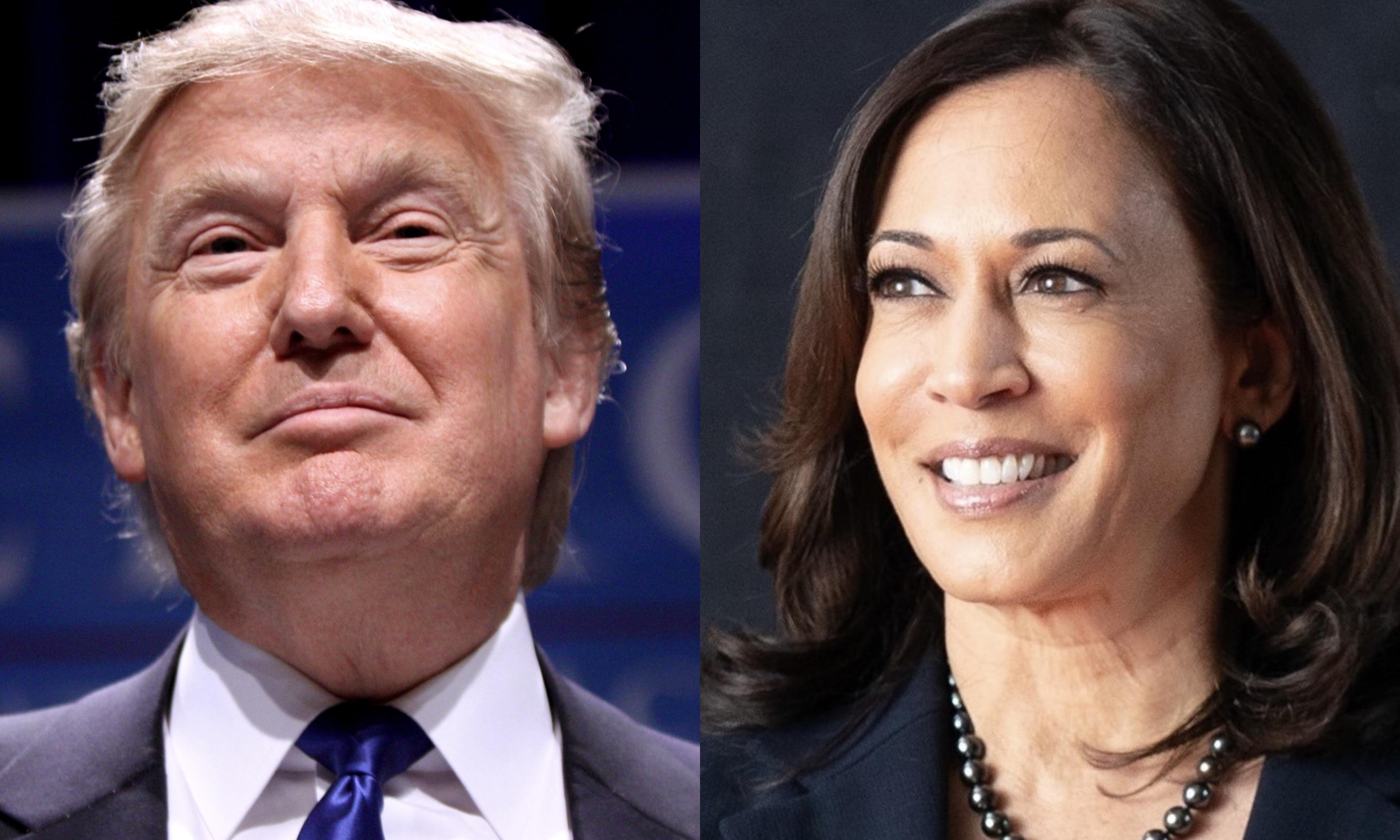
Two polling locations in Georgia were temporarily shut down Tuesday following bomb threats reportedly traced back to Russia, according to Georgia Secretary of State Brad Raffensperger. The threats, which forced evacuations and temporary disruptions in voting, have intensified security concerns around this year’s election and sparked questions about foreign interference aimed at destabilizing U.S. democratic processes.
Raffensperger revealed the origin of the threats during a press briefing, stating that initial investigations by cybersecurity experts and local law enforcement linked the threats to sources within Russia. “We’re dealing with a coordinated effort to disrupt our elections,” Raffensperger stated. “While these threats proved non-credible in terms of actual danger, their intention was clearly to create chaos and shake voter confidence.”
The bomb threats targeted polling stations in Fulton and DeKalb counties—both high-traffic areas crucial to Georgia’s voter turnout. As soon as the threats were reported, local authorities responded swiftly, securing the locations and evacuating voters and poll workers while bomb squads conducted thorough inspections. Voting was temporarily halted, and voters were redirected to alternative polling sites. After securing the premises, officials reopened the locations, allowing voters to safely resume casting their ballots.
Election officials acted quickly to ensure minimal disruption, with enhanced security measures and increased monitoring of other polling stations across the state. Local law enforcement and state officials have coordinated with federal agencies, including the FBI and Department of Homeland Security, to investigate the threats’ source and any potential foreign involvement. “These actions are clearly intended to intimidate voters,” said Georgia Attorney General Chris Carr. “We want to send a clear message that Georgia will not be deterred by foreign interference.”
Georgia has been a focal point of election security efforts since 2020, with high-stakes races and significant voter turnout expected. In response to the threats, Raffensperger reiterated the state’s commitment to election security, emphasizing the importance of maintaining a safe environment for voters. “Our teams are prepared for these types of situations,” Raffensperger said. “We have contingency plans to ensure every Georgian has the opportunity to vote without fear or intimidation.”
The bomb threats have sparked renewed debate over election security and the extent of foreign interference in U.S. elections. Experts say such incidents are part of a broader strategy by foreign entities to undermine public trust in democratic processes. “This is a classic example of psychological warfare,” said Dr. Henry Collins, a cybersecurity analyst specializing in election security. “Even without a real bomb, the mere act of issuing such a threat can create widespread anxiety, disrupting the smooth flow of the voting process.”
Some voters expressed frustration over the disruptions but remained resolute in their determination to cast their ballots. “I was a bit rattled at first,” said DeKalb County resident Laura Simmons, “but I’m not going to let a threat from halfway across the world stop me from voting.”
As officials continue their investigation, Raffensperger assured the public that all necessary measures are being taken to secure the election process. “Georgia will remain vigilant,” he affirmed, “and we will not allow outside forces to dictate the course of our democracy.”







