


 Ukraine Tests New Anti-Drone Weapon After Successful Shahed Intercept
  U.S. Imposes New Visa Restrictions Over South Africa Policies
  UK PM Andy Burnham Set for First Trump Meeting in New York
  US Immigration Arrests Surge as Deportations Lag Behind
  Sweden Election: Centre-Left Holds Narrow Lead
  China’s Global Times Slams Anthropic CEO’s AI Slowdown Plan as ‘Cold War’ Strategy
  Takaichi-Backed Koja Wins Okinawa Governor Race
  Ovechkin Faces Scrutiny Over United Russia Campaign Video
  Banking scandal rocks Brazil’s politics and the country’s presidential election in October
  South Korea’s Cho Hyun to Meet Rubio in Washington
  Bill Gates Warns Governments Are Unprepared for AI Disruption
  Judge Blocks Trump Rule Limiting Foreign Student Visas
  Lula, Flavio Bolsonaro Deadlocked in Brazil Election Polls
  Nvidia CEO Jensen Huang Expected at Trump-Xi State Dinner
  Philippines Holds Historic Bangsamoro Election Amid Tight Security
  US Confirms Weapons in Orbit as Space Tensions Rise
  Kim Jong Un Pledges Deeper Russia Cooperation


 Add as a preferred source on Google
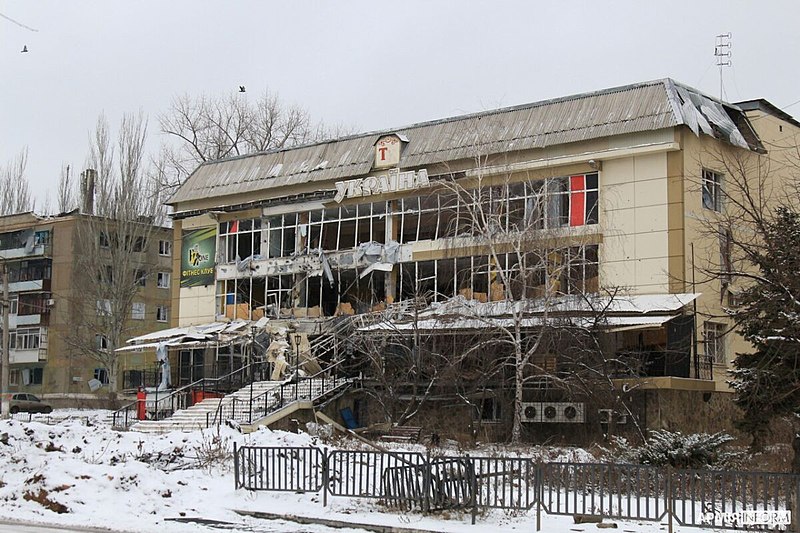
Russia’s invasion of Ukraine has resulted in countries increasing their arms imports due to running tensions with Moscow. A report by a Sweden-based think tank found that Kyiv has become the world’s third-largest arms importer.
The Stockholm International Peace Research Institute published a report on Monday that found that European countries increased their arms imports by 47 percent in a five-year period from 2018 to 2022. The report added that the larger increase in arms imports came from NATO member countries, increasing their imports of major weapons by 65 percent in the same timeframe.
Despite the increases in Europe, global arms imports declined by 5.1 percent. The United States, South Korea, and France were the biggest suppliers to NATO countries in Europe in the past five years. Poland, Germany, the US, and the United Kingdom are the biggest suppliers of major arms to Ukraine following Russia’s invasion last year.
“Even as arms transfers have declined globally, those to Europe have risen sharply due to tensions between Russia and most other European states,” said SIPRI Arms Transfers Program senior researcher Pieter D. Wezeman. “Following Russia’s invasion of Ukraine, European states want to import more arms faster.”
Many of the arms that are being supplied to Ukraine are second-hand items from existing stockpiles, according to the report. This includes around 228 artillery pieces and around 5,000 guided artillery rockets from the United States, 280 tanks from Poland, and over 7,000 anti-tank missiles from the United Kingdom. The report also said the war also had a limited impact on the total volume of arms in the past five years.
Meanwhile, the fighting continues at the key city of Bakhmut in eastern Ukraine, and the British defense ministry said Russian forces are experiencing a worsening shortage of artillery ammunition. The situation, according to the ministry, has worsened to the extent that several Russian forces on the front lines have resorted to rationing their shells. The ministry said that this might likely be the reason why Russia has not been able to succeed in its operational offensives in the region.
The ministry said that Moscow appears to be turning to using old ammunition that has previously been declared unfit for use on the battlefield.







