


 UN Condemns Myanmar Airstrike That Kills 50 in Rakhine
  UN Extends Haiti Security Force Mandate Ahead of Elections
  Denmark Expects Long-Term NATO Presence in Greenland, Arctic
  China Cuts Tariffs on U.S. Farm Goods but Excludes Soybeans
  Rubio Warns Cuba to Change Course as US Pressure Mounts
  TSA Removes Chairs for Airport ID Check Officers
  White House Blames Democrats as CLARITY Act Stalls
  Trump Eyes $54 Billion South Korean Investment in Alaska LNG
  US Sanctions Iran Weapons Procurement Network
  US Troops Set to Complete Iraq Withdrawal as Iran Influence Grows
  California Bans Memecoins Issued by Public Officials Under New Law
  Malaysia Begins Deportation of 1,500 Myanmar Nationals
  Senate Democrats Say Tether USDT Helps Iran Evade Sanctions
  Israeli Settlers Attack West Bank Village, Block Palestinian Family’s Return
  Russian Drone Strikes Kill Nine Across Ukraine, Hit Kyiv Science Academy
  US Alcohol Ban Exposes Canada’s Internal Trade Barriers
  Trump Denies Offering Iran Sanctions Relief for Nuclear Concessions


 Add as a preferred source on Google
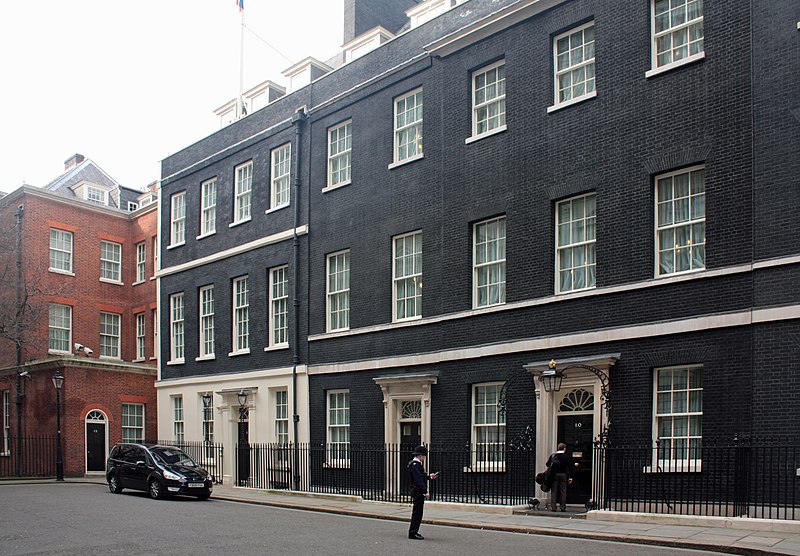
Western powers under NATO appear to be pushing back more towards the buildup of Russian troops at its border with Ukraine. The United Kingdom is now considering making a major NATO deployment in the region.
The British government announced over the weekend that it was considering making a major NATO deployment to the region in order to strengthen the borders as pushback for Russia’s troop buildup, according to Reuters. The UK has warned that any attempt by Russia to invade Ukraine would result in sanctions that would potentially devastate both sides. Prime Minister Boris Johnson is set to visit the region and is also set to speak with Russian President Vladimir Putin on the phone.
“This package would send a clear message to the Kremlin – We will not tolerate their destabilizing activity, and we will always stand with our NATO allies in the face of Russian hostility,” said Johnson in a statement.
“I have ordered our Armed Forces to prepare to deploy across Europe next week, ensuring we are able to support our NATO allies,” added Johnson.
Johnson is considering the largest possible proposal to members of the alliance in the Nordics and Baltics. According to Johnson’s office, the offer would double the number of troops and weapons, sending defensive weapons to Estonia. Officials will be finalizing the details of their offer in Brussels, while ministers on Monday will be discussing the military options.
Johnson’s office also said that the UK leader will be meeting his NATO counterparts again early next month. The UK’s foreign and defense ministers will also be traveling to Moscow to meet with their Russian counterparts.
Russia said over the weekend that it wants “mutually respectful” ties with the US and once again denied posing any threat to Ukraine despite the buildup of troops at its borders, according to AFP. The troop buildup has since sparked fears that Russia was planning to invade Ukraine, leading the West to push back with repeated warnings not to do so.
“We want good, equal, mutually respectful relations with the United States, like with every country in the world,” said Russian foreign minister Sergey Lavrov on Russian television. Lavrov noted, however, that Russia also does not want to be in a position where its security is being threatened.







