


 Macron, Trump Discuss Ukraine-Russia Energy Strike Moratorium
  Carney Condemns Belleville Synagogue Shooting That Wounded Police Officer
  Trump Scales Back Endangered Species Act Protections
  Taiwan Vows to Advance US Arms Sales Ahead of Trump-Xi Meeting
  Trump Says U.S.-Iran Peace Deal Near After UN Talks
  Kremlin Says No Grounds Yet for Ukraine Peace Talks
  Zelenskiy Warns Russia Preparing Major Attack on Ukraine
  Iran Vows ‘Crushing’ Response as US Talks Continue
  Lula Meets Mamdani in New York as Elections Approach
  Paramount-Warner Bros $110 Billion Deal Draws Antitrust Backlash
  Trump Meets Venezuela’s Delcy Rodriguez at UN Assembly
  UK, Mauritius Seek Diego Garcia Base Deal
  Burnham Eyes UK Leadership Role in AI Ahead of Trump Meeting
  Marco Rubio to Meet Russia’s Lavrov in New York
  Trump Says ‘Freedom’ Is Coming to Cuba
  Vietnam, US Trade Deal Could Be Signed Soon, To Lam Says
  CNN, MS NOW and Politico Sue Trump Over White House Media Ban


 Add as a preferred source on Google
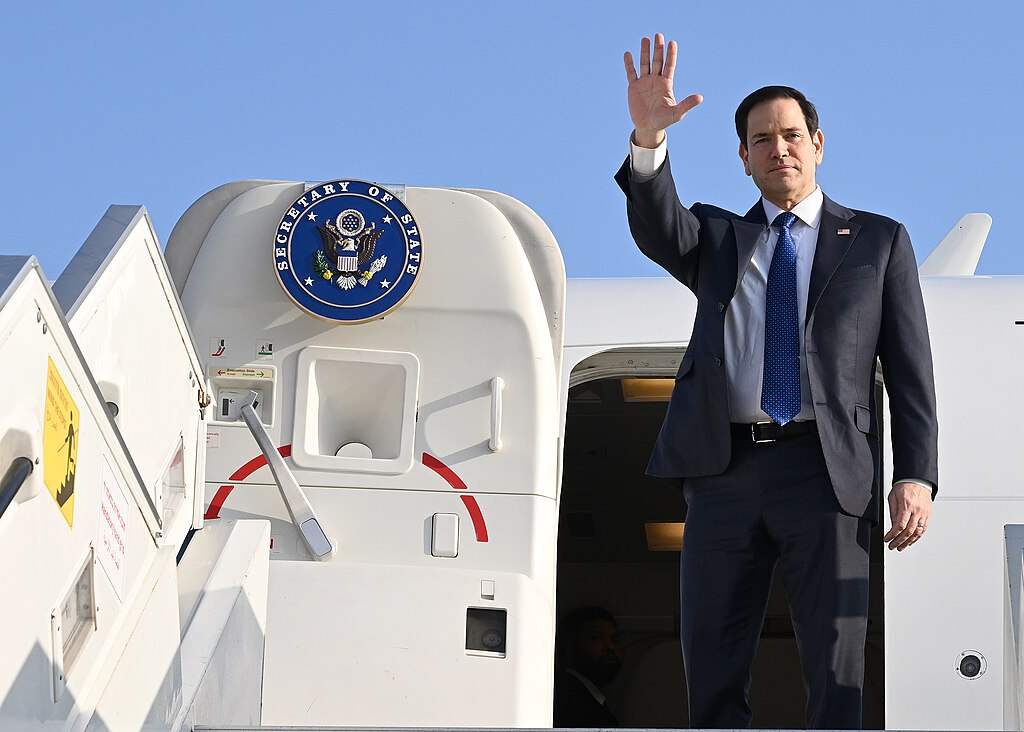
U.S. Secretary of State Marco Rubio is embarking on a critical diplomatic tour of the Gulf this week as he seeks to reassure key Arab allies about Washington’s newly signed Iran peace agreement. The visit comes amid growing concerns among Gulf Cooperation Council (GCC) nations that the deal may grant Tehran significant concessions while altering the region’s security landscape and energy dynamics.
Rubio is scheduled to meet officials in the United Arab Emirates before traveling to Kuwait and Bahrain for discussions with GCC representatives, including leaders from Saudi Arabia, Qatar, and Oman. The talks are expected to focus on controversial aspects of the U.S.-Iran memorandum of understanding (MoU) signed by President Donald Trump last week.
Several Gulf states are reportedly uneasy about provisions that exclude restrictions on Iran’s ballistic missile program, establish a proposed $300 billion reconstruction fund for Tehran, and potentially increase Iran’s influence over regional affairs and strategic oil shipping routes. These concerns are particularly significant because all GCC members are close U.S. partners and played varying logistical roles during the U.S.-Israeli conflict with Iran that erupted four months ago.
Analysts say many Gulf leaders were surprised by the agreement, fearing it could pave the way for broader U.S.-Iran normalization. Countries such as Saudi Arabia, the UAE, Bahrain, Kuwait, and Qatar host major American military installations and remain deeply invested in the regional balance of power.
One of the biggest sticking points is the absence of any reference to Iran’s ballistic missile capabilities. Gulf nations have long viewed Iran’s missile arsenal as a direct threat, given their proximity and history of being targeted. Concerns also surround the reconstruction package, with critics arguing that additional funding could strengthen Iran’s military and support for allied groups across the Middle East.
The agreement’s apparent recognition of a larger Iranian role in the Strait of Hormuz has also raised alarms among oil-exporting Gulf states that depend heavily on the waterway. As Rubio meets regional leaders, he faces the challenge of defending the deal while easing fears that it could enhance Iran’s regional influence at the expense of Gulf security.







